





Chronic stress can affect sleep, eating habits, and the body’s ability to recover. One patient experienced this firsthand after a promotion brought a heavier workload and constant pressure. Unable to unwind even after leaving work, he developed persistent insomnia. Six months later, after seeking medical attention because he felt unwell, he was diagnosed with cancer.
Although stress alone cannot be said to have caused the disease—and most cancers develop over years—the experience led him to reconsider how prolonged strain had affected his overall health.
Dr. Chen Bo-sheng, a traditional Chinese medicine (TCM) cancer specialist at Jingher Chinese Medicine Clinic in Taipei, said similar stories are common among his patients.
“I often ask patients whether their lives changed during the six months to a year before their diagnosis,” Chen said on “Health 1+1,” an NTD program. NTD is a sister outlet of The Epoch Times. “The answer is often not that they began eating a lot of fried chicken, but that increased stress led to poor sleep and a prolonged state of anxiety and tension.”
Chen has also observed that people who suppress their emotions for a long time are more common among breast cancer and some gynecological cancer patients, while those with high work pressure and an excessive sense of responsibility are more common among liver cancer patients.
Because stress cannot always be eliminated, Chen recommends two complementary approaches: stepping away from the stressful environment and changing how one responds to pressure.
Related Stories
Step Away to Let the Nervous System Reset
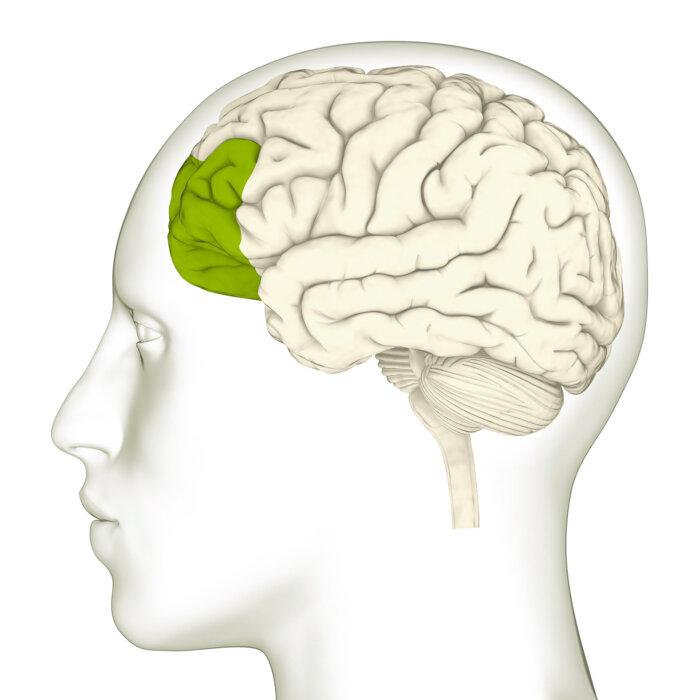
When people remain in a demanding workplace or tense home environment for long periods, the brain may stay on high alert. The sympathetic nervous system—the body’s “fight-or-flight” system—continues preparing the body to respond, making it difficult to relax even when no immediate action is required.
At such times, Chen said, people do not necessarily need to solve the problem immediately. Temporarily leaving the environment may be enough to interrupt the cycle of tension.
A 30-minute break at a nearby coffee shop, park, or even convenience store can provide a change of atmosphere and give the mind an opportunity to settle. This is not avoidance, but a deliberate pause that may allow a person to return with greater calm and clarity.
Chen finds restoration through hiking and has climbed both Yushan in Taiwan and Mount Fuji in Japan. Yet he emphasized that people do not need to reach a summit or complete a strenuous expedition to benefit.
“Simply standing in a valley can be enough,” he said. “The healing power of nature is irreplaceable.”
Chen recalled another occasion when he cycled around Taiwan with friends. For four or five days, he focused almost entirely on the road, the scenery, and the immediate physical demands of riding, stopping only to eat and rest.
Without constantly thinking about work, he gradually felt his mind and body relax. When anxiety cannot be stopped through willpower alone, he said, changing the surroundings can help break its momentum.
Change the Way You View Pressure
Leaving a stressful environment may provide temporary relief, but some pressures remain unavoidable. Chen therefore recommends a second approach: reframing how one interprets difficult situations.
He shared a story about a king who became overwhelmed with anxiety as he prepared to ascend the throne. Worried that he would be unable to govern well, the king could not sleep. A wise man gave him a scepter engraved with the words: “This too shall pass.”
The phrase later became Chen’s own reminder during stressful moments.
When treating patients, giving interviews, or speaking publicly, he sometimes worries about whether he will perform well enough. When that pressure arises, he tells himself: “Even if I truly don’t do well, the sun will still rise tomorrow. Everything will pass, and I can begin again.”
This does not mean ignoring responsibility. Rather, it places a single event in perspective, reducing the tendency to treat every mistake or uncertainty as a catastrophe.
How Stress, Sleep, and Immunity Interact
The effects of stress are not purely psychological. Persistent activation of the stress response can interfere with sleep, metabolism, inflammation, and immune-cell activity.
In TCM, prolonged worry and overthinking are said to weaken the spleen system, which governs digestion and the transformation of food into energy. Although this framework differs from modern physiology, both perspectives recognize that emotional strain, inadequate sleep, and poor nutrition can diminish physical resilience.
Sleep is particularly important. Rather than merely putting the body “on pause,” sleep helps regulate immune processes, repair tissues, consolidate memory, and coordinate hormonal rhythms. Persistent sleep loss or circadian disruption can alter inflammatory signaling and immune responses.
TCM traditionally associates the period from 11 p.m. to 3 a.m. with the gallbladder and liver meridians and encourages people to be asleep during those hours. Modern sleep science uses a different framework but likewise emphasizes sufficient, regular nighttime sleep aligned as closely as possible with the natural light–dark cycle.
Chen recalled treating a breast cancer patient whose lymphocytes accounted for only 5 percent of her white blood cells, well below the laboratory reference range. Her cancer later recurred. Although a single blood measurement cannot predict recurrence or provide a complete picture of immunity, an unusually low lymphocyte level warrants medical evaluation, especially in someone undergoing cancer treatment.
Immune health also cannot be judged simply by how energetic a person feels. When clinically appropriate, doctors may assess white blood cell counts and other laboratory findings together with symptoms, treatments, nutritional status, and the patient’s overall condition.
Build Resilience Through Balanced Nutrition
Diet is another important foundation of physical resilience. Some people, concerned about cholesterol or cancer, adopt overly restrictive diets and eliminate meat or other major food groups. For those with a poor appetite, digestive difficulties, or increased nutritional needs, this may result in inadequate intake of protein and other essential nutrients.
Chen recommends a balanced diet rather than unnecessarily avoiding all red meat or relying heavily on raw vegetables and fruit juices. Adequate protein can come from fish, eggs, dairy products, lean meat, soy foods, beans, nuts, and seeds, depending on a person’s needs and medical condition.
He also advises people with sensitive digestive systems to be cautious about drinking large amounts of cold fruit or vegetable juice on an empty stomach. Whole fruits and cooked vegetables may be easier for some people to tolerate while also providing fiber and a broader range of nutrients.
Stress management, restorative sleep, and balanced nutrition cannot guarantee that cancer will be prevented or stopped. Established measures—including avoiding tobacco, maintaining a healthy weight, limiting alcohol, and following appropriate medical treatment—remain essential.
However, daily habits can support metabolic, immune, and emotional health, helping the body remain more resilient during periods of stress, illness, and recovery.
“Take good care of your body,” Chen said, “and your body will reward you handsomely.”