





As people age, their blood vessels gradually lose elasticity, increasing strain on their cardiovascular system. As vascular elasticity declines, the symptoms of cardiovascular problems are more likely to appear. Early recognition of warning signs, along with adjustments in daily life, may reduce the risk of major cardiovascular events down the line.
Unexpected Signs
Here are some signs from a traditional Chinese medicine (TCM) perspective that a person may be experiencing cardiovascular trouble.
1. Chest Discomfort
Chest discomfort may be a sign of problems with your cardiovascular system. People with chronic overexertion, insufficient sleep, or diets high in fatty foods may misinterpret chest tightness or pressure in the chest as fatigue or indigestion. It’s important to pay attention to this, even if you’re otherwise healthy.
Related Stories
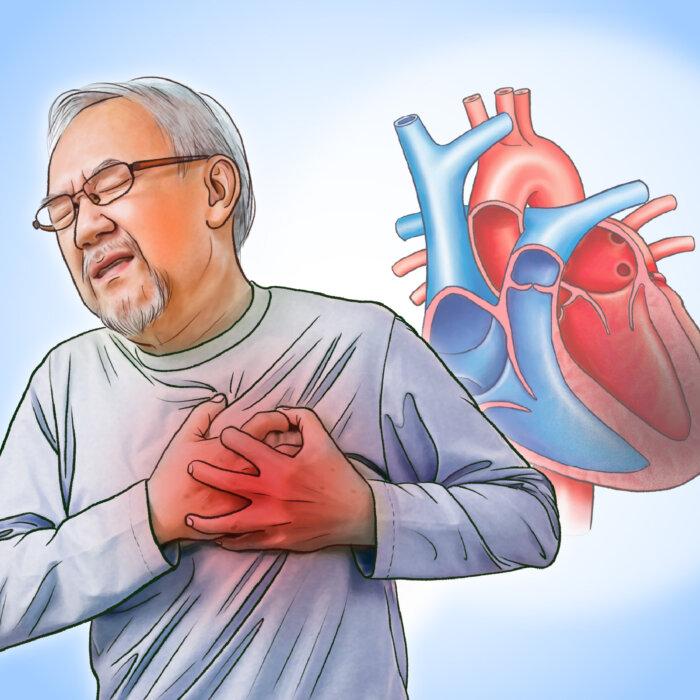

Symptoms of cardiac arrest include shortness of breath, chest discomfort, weakness, and a fast or fluttering heartbeat.
Those symptoms could also be signs of a heart attack. In addition, people experiencing a heart attack may feel pain that radiates from the chest to the back, jaw, or neck, and may also feel numbness or aching along the inner arm extending toward the little finger.
If you experience any of the above symptoms, it’s best to seek medical attention, as rapid diagnosis and treatment could be the difference between life and death.
2. Leg Swelling
If symptoms such as swelling or pain in one calf occur—particularly when they differ from typical post-exercise soreness—it’s best to seek medical attention.
Remaining seated for extended periods, such as during long flights or prolonged desk work, may impair circulation in the lower legs and increase the risk of deep vein thrombosis—a blood clot in a deep vein.
If part of the blood clot travels through the bloodstream to the lungs, it can cause a potentially life-threatening pulmonary embolism.
3. Deepening Facial Lines
4. Diagonal Earlobe Crease
5. Tenderness at the Inner Gate Acupoint
The Inner Gate (Nei Guan, PC6) acupoint is located on the inner forearm, approximately three finger-widths above the wrist crease. From a TCM perspective, if this area is tender when pressed, it may be associated with impaired circulation of qi (vital energy) and blood.

Location of the Inner Gate acupoint. The Epoch Times
These sensations and features do not necessarily indicate the presence of a cardiovascular condition. However, if they appear repeatedly or are accompanied by symptoms such as chest discomfort or palpitations, it’s best to get a prompt medical evaluation.
Habits That Trigger Cardiovascular Issues
Whether you’ve experienced cardiovascular issues or not, taking care of the body’s vital systems will help keep them in good working order.
Exposure to Sudden Temperature Changes
Significant temperature changes can place a considerable burden on the body’s regulatory systems.
For example, moving from a hot outdoor environment into an air-conditioned indoor space in summer, or frequently transitioning between indoor and outdoor settings in winter, exposes the body to rapid temperature shifts that can put stress on the blood vessels.
Temperature changes related to bathing can be particularly noticeable in colder months. Entering a cold bathroom to undress and then moving directly into a hot bath may subject the body to sudden temperature-related stress.
Cold temperatures narrow blood vessels, while heat causes them to widen. Rapid or repeated fluctuations between these states may lead to changes in blood pressure, placing extra strain on the cardiovascular system, especially in people with heart disease.
From a TCM perspective, cold is believed to have a constricting effect that may impede the flow of qi and blood—a concept somewhat analogous to the narrowing of blood vessels observed in modern medicine. Reduced circulation may contribute to symptoms such as chest discomfort and may increase cardiovascular stress in susceptible people.
Intense Early Morning Physical Activity
In the early morning, the sympathetic nervous system—the branch of the autonomic nervous system that controls your body’s unconscious “fight-or-flight” response—increases heart rate, blood pressure, and the release of stress hormones such as cortisol and adrenaline to ease the body from sleep to waking. At this time, blood pressure and heart rate are naturally more variable.
Combined with cold exposure, the body’s blood vessels are more likely to constrict. Intense physical activity under these conditions may place additional strain on the heart and cause blood pressure to rise more sharply.
From a TCM perspective, early morning is considered a time when yang qi, the body’s warming and activating energy, begins to increase. Yang qi is thought to help wake the body, promote circulation, and support physical activity.
Because the body is still transitioning from a resting state, TCM practitioners believe that strenuous exercise too early in the morning may place unnecessary stress on the body and disrupt the smooth flow of qi and blood.
In cold environments, this may further contribute to “cold-induced blood stagnation,” thereby increasing physiological strain.
Daily Care and Preventive Measures
From a TCM perspective, cardiovascular health is closely related to the circulation of qi and blood, emotional balance, and lifestyle habits.
In addition to avoiding the high-risk situations described above, paying attention to changes in the body and making appropriate adjustments to daily habits may help reduce risk.
1. Thoracic Spine Relaxation
Some cases of chest discomfort or neck and shoulder tension may be associated with tightness at the junction of the cervical (neck) and thoracic (mid and upper back) spine, or with poor posture.
Restricted movement of the cervical and thoracic spine can limit chest expansion and breathing, which in TCM is described as impaired qi movement. This restriction can affect the autonomic nervous system, which helps regulate circulation and cardiovascular function.
Incorporating gentle mobility exercises for the cervical and thoracic spine into daily routines can help relieve tension in the neck, shoulders, and upper back and improve overall comfort.
Exercise 1: Shoulder Side-to-Side Sway
A gentle swaying movement helps mobilize the upper spine and shoulders. The shoulder side-to-side sway is simple to perform and can be especially helpful for easing stiffness after long periods of sitting or screen use.
Steps: Stand upright. Gently lean from side to side, allowing one shoulder to rise as the other lowers.
Benefits: This movement helps loosen the upper back and may relieve tension related to poor posture. It may also provide relief for people experiencing arm discomfort, numbness, or mild chest discomfort.
Exercise 2: Thoracic Side-to-Side Sway
The thoracic side-to-side sway promotes mobility throughout the thoracic part of the spine and helps the chest, shoulders, and upper back move more freely. By adjusting the elbows and adding subtle upper-body movements, different areas of the mid-back can be gradually activated and loosened.
Steps: Raise your elbows to different heights and gently sway side to side. Combine this with gentle forward-and-backward movements of the upper body to promote overall mobility.
Benefits: This exercise can help improve restricted thoracic mobility and address muscle imbalances. It may also help relieve discomfort associated with prolonged hunching or tightness in the chest and upper back.
When experiencing mild chest discomfort, gentle pressure may be applied to the muscular area on the left side of the chest, or to the little and middle fingers.
In TCM, these areas correspond to the pathways of the heart and pericardium meridians, and stimulation may help promote the flow of qi and blood.

Pathway of the Pericardium meridian. The Epoch Times
During prolonged sitting, performing a “soleus push-up” can help promote blood circulation by repeatedly activating the deep calf muscles, thereby supporting the return of blood to the heart and improving lower limb circulation.
Steps: Sit on a chair with both feet flat on the floor. Raise your heels and then lower them in a controlled, repeated motion. Focus on pressing through the balls of the feet, and perform the movement at a relaxed, steady pace.
2. Temperature Management
When getting up early in the morning or at night, move gently under the covers first, staying warm, before getting out of bed.
Schedule outdoor activities for when temperatures are stable.
When moving between hot and cold environments, keep the neck area warm and dry off any sweat to reduce temperature-related stress.
3. Diet and Herbs
In TCM, the concept of “food and medicine sharing the same origin” suggests that certain foods may support overall health, including cardiovascular health.
Cinnamon has traditionally been used to manage conditions such as coronary heart disease and angina.
It is important to note that diet is only one aspect of health maintenance, and the effects of food and supplements may vary depending on a person’s constitution, lifestyle, and underlying health conditions. For people with chronic illnesses or those taking medication, it is best to consult a healthcare professional before making dietary changes.
By paying closer attention to these signs and making appropriate lifestyle adjustments, it may be possible to reduce the risk of cardiovascular disease and better protect long-term heart health.
Note: Some herbs mentioned in this article may be unfamiliar, but are generally available in health food and Asian grocery stores. It is important to note that treatment methods may vary from person to person. Please consult with a healthcare professional for a specific treatment plan.