





Bottles with 81 mg aspirin tablets on a store shelf in Miami on April 12, 2016. Illustration by Joe Raedle/Getty Images
A genetic analysis released over the past weekend suggests that taking regular low-dose aspirin may be linked to a lower chance of developing dementia in older adults.
Published in “Alzheimer’s & Dementia: The Journal of the Alzheimer’s Association” on Oct. 25, the study by researchers at Australia’s Monash University found that some older adults with a particular genetic profile could benefit from taking low-dose aspirin. Specifically, those individuals developed dementia less often than people receiving a placebo.
However, the authors discovered a catch: the same group that took the low-dose aspirin suffered more serious bleeding.
More than 13,500 people participated in the Aspirin in Reducing Events in the Elderly, or ASPREE Trial. Researchers evaluated whether individuals’ genetics could determine why aspirin impacts the risk of developing dementia.
“Previous trials found aspirin didn’t prevent dementia when everyone was considered together,” Dr. Peter Fransquet, a researcher with the university’s School of Public Health and Preventive Medicine, said in a statement. “Our findings suggest there may be more to the story.”
“In people with this particular genetic profile, we saw substantially fewer cases of dementia among those taking aspirin. It raises the possibility that genetics could one day help us identify who may benefit from a preventive treatment, rather than taking a one-size-fits-all approach.”
Related Stories
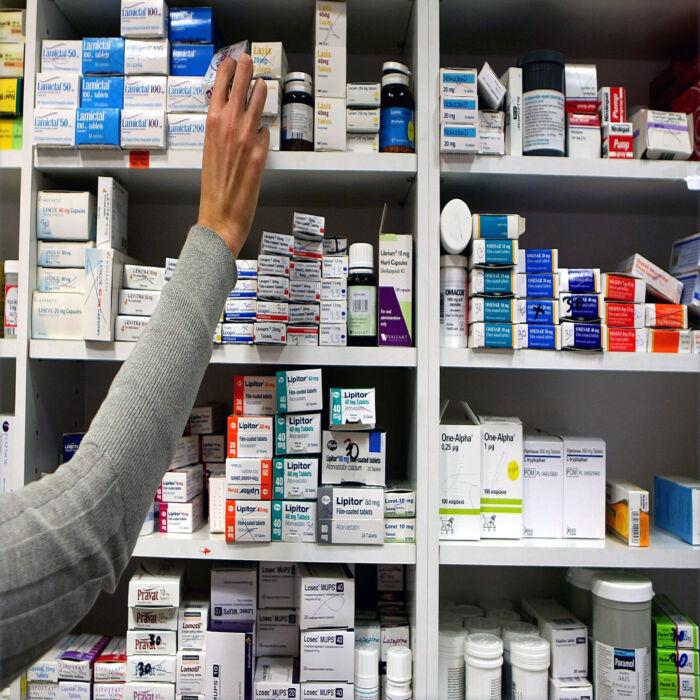

In the analysis published in ScienceDaily, the authors studied genes associated with platelet counts. Platelets are blood components produced by bone marrow that the body uses to produce clots. Participants were assigned scores associated with their platelet count before the researchers compared dementia rates among people who got the aspirin and those who took a placebo, an inactive substance designed to look like a real medication.
People “in the highest 20 percent of platelet count genetic scores,” according to the analysis, saw a 1 percent chance of developing dementia if they took aspirin. That’s compared with about 3.3 percent of participants who took the placebo, or an approximately 70 percent lower relative risk of developing dementia.
But the researchers noted a “significant safety concern” with taking aspirin, a nonsteroidal anti-inflammatory drug that has long been associated with a risk of gastrointestinal ulcers or bleeding. Roughly 4.4 percent of aspirin-takers suffered what the university said was “major bleeding,” compared with 2.1 percent who took the placebo, the release said.
“People shouldn’t start taking aspirin to prevent dementia on the basis of this study without consulting with their doctor, particularly given the increased risk of serious bleeding,” Fransquet said in a statement.
Scientists will “need to confirm the finding in other studies and ultimately test it in a trial designed specifically for people with this genetic profile,” he said.
“If it holds up, the fact that aspirin is already cheap and widely available could make personalized dementia prevention a real possibility,” Fransquet added.
The groups still recommend that certain people with high risk factors for heart attack or stroke take daily low-dose aspirin.
Despite the altered recommendation, a survey in 2025 found that some 25 percent of adults aged 50 to 80 still take aspirin on a daily basis.