





Many people struggle with the debilitating symptoms of inflammatory bowel disease (IBD) and try a variety of methods to alleviate the condition. Yet they often overlook a key factor in breaking the cycle of IBD: the vagus nerve.
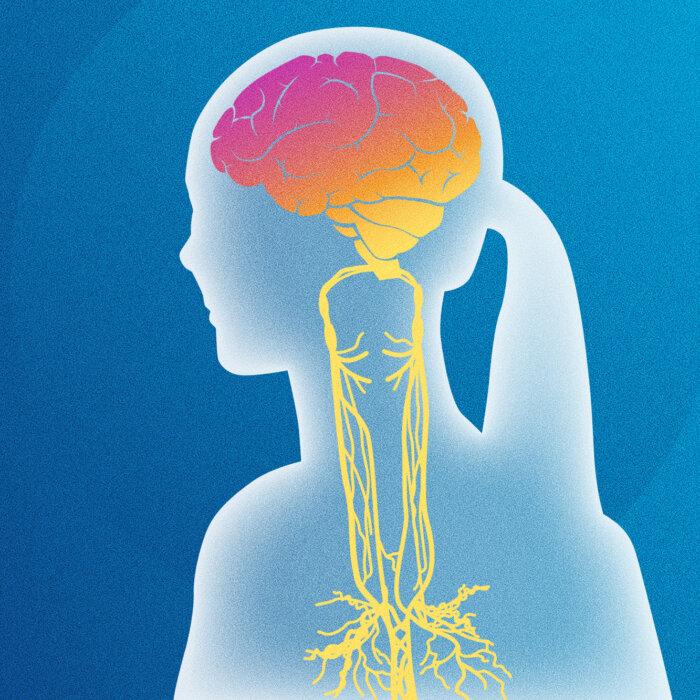
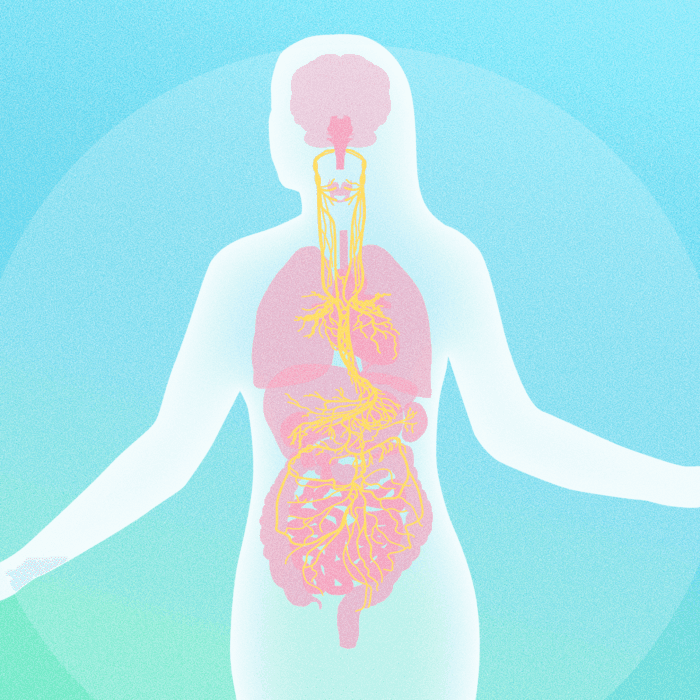
The vagus nerve is the main nerve of the parasympathetic nervous system, which governs the “rest-and-digest” state. When the vagus nerve is activated, calm is restored, inflammation declines, and digestion improves. This creates an environment conducive to healing IBD.
IBD and the Vagus Nerve
IBD, which includes Crohn’s disease and ulcerative colitis (UC), is marked by excessive gut inflammation and painful ulcers. Physicians typically treat IBD with a combination of inflammatory medications, immunosuppressants, dietary modification, and surgery. However, recent focus has shifted to the vagus nerve in some circles.
In the prospective study, patients with moderate to severe Crohn’s disease, unresponsive to biologics (a type of medication that treats Crohn’s), received vagus nerve stimulation (VNS) over 16 weeks, followed by 24 months of maintenance. The treatment significantly improved Crohn’s symptoms, reduced inflammation markers, and improved quality of life. Antitumor necrosis factor and interferon-gamma levels—proteins involved in the immune response and key markers of inflammation—were reduced by between 46 percent and 52 percent.
2 Lifestyle Approaches for VNS
Two lifestyle approaches can activate the vagus nerve and improve IBD: adjusting diet and reducing stress. However, many focus on the former and ignore the latter. Chris Robert was one of them.
Premium Picks
Robert, a certified health coach known as the Gut Coach, decided to go on a journey to heal his IBD naturally. He made a lot of progress by improving his diet, but no matter how perfect his diet became, his symptoms decreased by only about 50 percent. That’s when he knew he also needed to focus on managing his stress levels. Notably, his stress response was dominating, which suppressed vagal activity.
He started meditating and managing his stress more proactively. Within a month, his symptoms were alleviated even further, and he was able to discontinue medication without side effects.
Diet as a First Step
Half of Robert’s symptoms eased when he changed his diet, a crucial first step in regulating his nervous system. The vagus nerve senses inflammation and microbial metabolites (compounds made by gut microbes when they break down food). When it detects these changes in the gut, the vagus nerve triggers a response to help regulate inflammation and maintain balance in the body. This activation can influence processes like immune response, digestion, and even mood regulation.
According to Robert, helpful foods include tryptophan-rich foods to help manage inflammation and boost serotonin (like spinach, seeds, nuts, bananas, and poultry) and probiotic and prebiotic-rich foods (like sauerkraut, kimchi, and unsweetened yogurt) that nourish the gut microbiome, working in tandem with the vagus nerve.
- Omega-3 fatty acids in fatty fish, flaxseeds, and walnuts to support nerve health and reduce inflammation.
- Polyphenols found in berries, green tea, and turmeric to support both vagal tone and gut health.
- Gut-healing nutrients in bone broth, collagen, and aloe vera to help repair the gut lining and reduce the inflammatory burden.
On the flip side, avoiding inflammatory triggers such as refined sugars, processed foods, and artificial additives is equally crucial for supporting vagal function and managing IBD, Winters said.
Adaptogens, natural substances like herbs or mushrooms that help the body manage stress and restore balance, and magnesium (food- or supplement-derived) can also help regulate the stress response and cortisol levels and promote relaxation, Dr. Priyal Modi, an integrative health practitioner and breathwork expert, told The Epoch Times.
Managing Stress
“Healing the gut starts with calming the mind,” Winters said.
Becoming mindful of how tense and tightly wound he was, Robert noticed the damage his anxiety had been doing. “I’ve always been an anxious person, and this chronic stress had been taking its toll on my body,” he said. He had identified this same pattern in many of his IBD clients.
Over time, he was able to manage his stress and build his vagal tone back to a healthy level. Practices like meditation, deep breathing, and cold exposure helped to stimulate his vagus nerve and restore that balance.
“Chronic stress and emotional trauma, especially during childhood, can mess with the nervous system and affect how the vagus nerve works,” Robert said.
When the vagus nerve isn’t functioning correctly, it can leave you stuck in “fight-or-flight” mode with reduced vagal tone. For people with IBD, this can mean higher inflammation and more severe symptoms, he said.
- Diaphragmatic breathing, or deep breathing that engages the diaphragm.
- Guided visualization, a relaxation technique during which you mentally picture calming images or scenarios.
- Progressive muscle relaxation, a technique during which you tense and then relax different muscle groups to reduce stress.
“I always say, ‘When your gut health thrives, so do you,’“ Winters said. ”When your gut is out of balance, so is your brain, and vice versa. They’re completely interconnected. Focus on foods and practices that support both your gut and mind, and you’ll start to see this connection work as it should.”