





The original ban was introduced in 2023 to protect Hungarian farmers from cheap Ukrainian imports flooding the markets
Hungary has restored a ban on Ukrainian food imports after the new government “accidentally” allowed the restrictions to lapse.
The ban, covering around 20 categories of agricultural goods, was introduced in 2023 after former Prime Minister Viktor Orban’s government declared an emergency over the economic fallout of the Ukraine conflict.
Budapest argued that cheap Ukrainian imports flooded EU border markets after Brussels lifted tariffs, undercutting Hungarian farmers and destabilizing the agriculture sector.
While transit shipments were allowed, imports for the Hungarian market were restricted, and the ban stayed in place even after the EU replaced its temporary tariff-free regime with a trade pact last year.

However, shortly after incoming PM Peter Magyar’s Tisza party defeated Orban’s Fidesz in the recent election, the new government ended the state of emergency, automatically causing the trade restrictions tied to it to expire.
Following pressure from the main Hungarian farmers’ association and reports that several grain shipments already crossed the border, Budapest scrambled to restore the restrictions. On Friday, the government issued a decree reinstating the ban, followed by a post on X from Magyar confirming that Hungary “bans the import of agricultural products from Ukraine.”
“The sanctions were canceled due to a legislative error,” a government spokesperson told Euractiv, claiming lawmakers were reviewing nearly 1,000 decrees inherited from the previous government and the import ban was “accidentally not taken into account.”
Agriculture Minister Szabolcs Bona described the lapse as a “serious legislative trap for Hungarian farmers,” and pledged that the government “will not allow Ukrainian or any other imported product to endanger the livelihood of Hungarian farmers.”
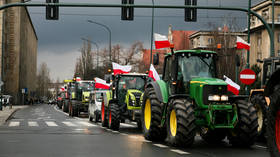
Poland and Slovakia also maintain restrictions on Ukrainian agricultural imports introduced alongside Hungary, despite opposition from Brussels.
The European Commission has argued that the bans are illegal because trade policy falls under EU authority, and last year reportedly considered legal action against the countries, though none has followed. Karin Karlsbro, the European Parliament’s rapporteur on EU-Ukraine trade, told Euractiv she “deeply regrets” Hungary’s decision to maintain the “illegal import ban.”
Kiev has not yet commented. Ukrainian leader Vladimir Zelensky has repeatedly criticized the bans.
While Magyar campaigned on closer ties with the EU, several moves suggest continuity with Orban. Magyar has opposed fast-tracking Ukraine’s EU membership and kept Hungary out of the bloc’s latest Ukraine funding initiative.
However, he signaled that the EU’s new Ukraine aid package would not be blocked and softened the government’s tone on social issues by appointing Judit Lannert – which the media has called Hungary’s “first LGBT activist” – as education minister.