





Australia’s Prime Minister Anthony Albanese speaks during a press conference regarding budget changes in Sydney, Australia on June 18, 2026. David Gray/AFP via Getty Images
Prime Minister Anthony Albanese says the government will have the “strongest possible monitoring” in place for the return of the last remaining ISIS “bride.”
In February this year, Hodan Abby and her nine-year-old daughter attempted to fly from Syria to Australia, but was stopped by a government-issued temporary exclusion order (TEO) on the advice of the Australian Security Intelligence Organisation (ASIO).
A TEO can only be enforced if a person is suspected of commiting a serious terrorism offence overseas.
The Labor government has said once Abby applied for a permit to return, they had not choice but to drop the TEO.
“We’ve dealt with the law that is before us and the risk assessment that was made about the right way to go is with this,” Albanese told the Sunrise program on June 26.
“We’ll continue to provide the strongest possible monitoring.
Related Stories
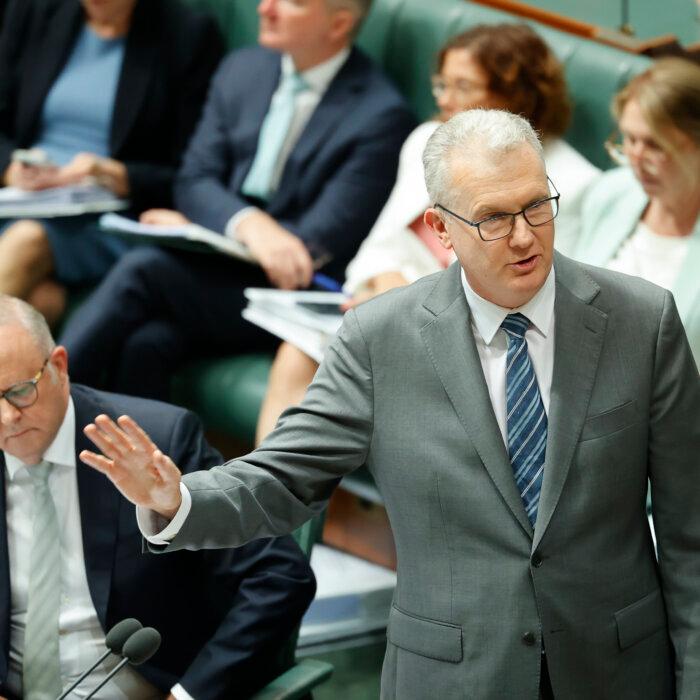
“We don’t want … no one wants people who’ve fled our country, fought or supported ISIS to be able to just come back. But Australian citizens, of course, do have rights, that’s one of the things in a democracy …”
Albanese said he had absolute confidence in Australia’s security agencies in monitoring the individual, ensuring “absolutely strict monitoring will be applied.”
Under current laws, a TEO is generally used as a temporary deterrent from re-entry into Australia, generally to give authorities more time to ensure adequate monitoring and other actions upon a subject’s return.
As part of Australia’s TEO framework, the minister must issue a return permit if a person subject to a TEO applies to come back to Australia, meaning the application itself cannot be refused at that stage.
However, the legislation allows the minister to impose conditions on the person’s return, like monitoring or reporting to police at regular intervals.
The Coalition’s opposition home affairs spokesman Jonno Duniam told Sky News his government would be willing to work on reforming laws if they were insufficient.
“In terms of whether the law is deficient, if the government does believe that this individual should be excluded from the country for a longer period, then let’s work together to strengthen those laws,” Duniam said.
“Of course, there may well be legal challenges, but we’re open to working with the government on that.”
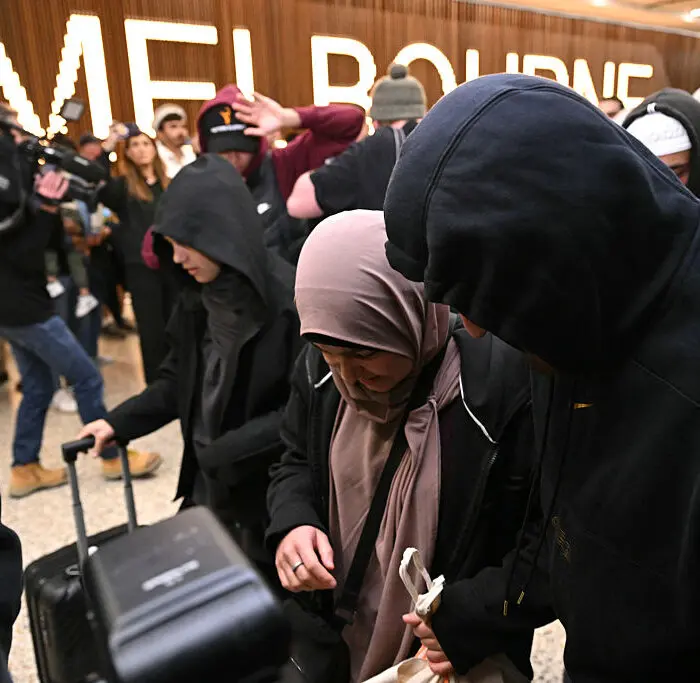
In recent months, around a dozen Australian women linked to Islamic State have returned from detention camps in Syria as part of coordinated repatriation by private individuals.
A cohort of about 19 women and children arrived in late May, with several more individuals returning in earlier and later groups.
Some women have been arrested and charged with slavery and terrorism offences.