





This is part 3 in “The Wisdom of Our Body’s Organs”
Traditional Chinese medicine regards the body’s five organs as more than physiological structures—viewing them as interconnected systems related to the mind. Each organ also corresponds to a specific emotion—joy, worry, grief, anger, or fear.
Liu Dongmei, a seasoned traditional Chinese medicine (TCM) practitioner with a doctoral degree from the University of Tokyo, was guiding her students during a hospital internship when she brought up the case of a 68-year-old male patient who had been admitted to the hospital due to sudden shortness of breath and chest tightness.
Upon consultation, Liu discovered the patient had lost his wife a month earlier and had since been overwhelmed by grief. Three days before admission, he began experiencing severe breathing difficulties, describing an inability to exhale and a sensation of a heavy weight pressing on his chest, as if he was suffocating.
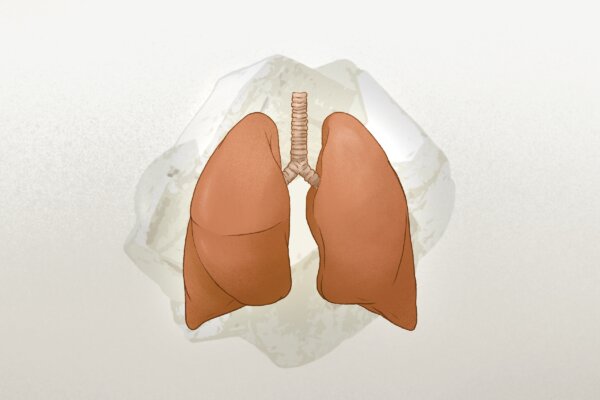
Liu then explained to her students the TCM principle that “grief injures the lungs.” From TCM’s perspective, the lung’s role extends beyond respiration.