





Choosing the top 10 herbs for a home apothecary can be challenging. With hundreds of amazing herbal allies to choose from, the best options depend on your goals and the kinds of remedies you want to make.
Some herbs are especially valuable because they support everyday wellness, attract pollinators to gardens, enrich culinary recipes, and add beauty to any landscape. The herbs I’ve chosen to feature are among my favorites for their versatility, accessibility, and long history of use in home herbal care.
What to Know Before Using Herbs
Herbs can be gentle, but they are still active remedies. Before using any herb medicinally, make sure you have identified it correctly, understand which part of the plant is used, and know the safest preparation and amount for your needs.
Herbs may not be appropriate for everyone, especially children, pregnant or breastfeeding women, people with allergies, and those taking medications. When in doubt, consult a qualified herbalist or healthcare professional before using herbs as remedies.
Why a Single Herb Can Have Many Uses
Herbs rarely fit neatly into one category. A plant used for digestion may also affect the nervous system, immune response, or respiratory tract, which is why many herbal traditions view the body as an interconnected whole.
That also means this guide can only introduce each herb briefly. I highlight common traditional uses, simple preparations, and key cautions, rather than covering every possible use, dose, or remedy.
Related Stories

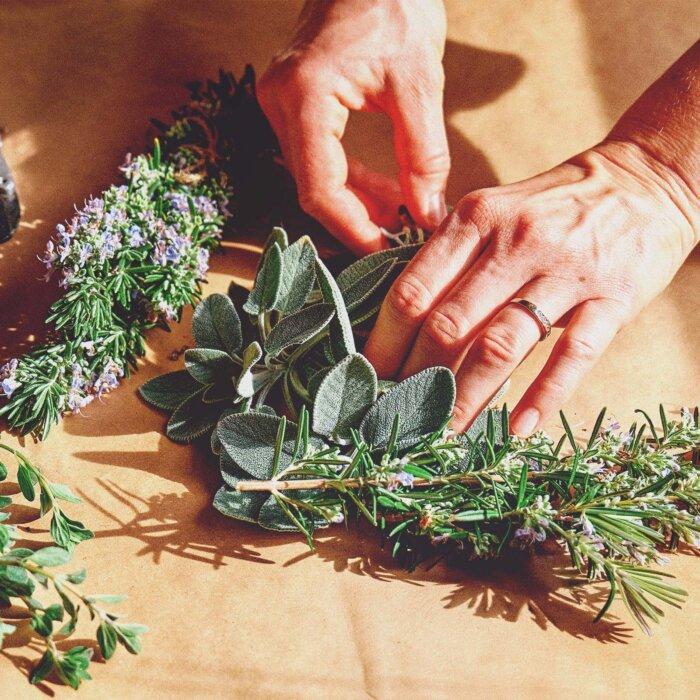
Top 10 Herbs for Your Home Apothecary
There are many wonderful herbs. I chose these 10 because they’re well known, widely used for both culinary and medicinal purposes, and relatively easy to grow, harvest, and use.
1. Sage

Alexandra Roach/The Epoch Times
Sage, also known as Salvia officinalis, is antibacterial and anti-inflammatory and is traditionally used to soothe sore throats.
-
Best For: Sore throats and excess mucus
-
Part Used: Leaves
-
Simple Preparation: Tea or lozenges
-
Safety Note: Avoid using sage to treat dry coughs or dry airways, as it can have a drying effect. Do not use during pregnancy or breastfeeding.
2. Thyme

Alexandra Roach/The Epoch Times
Thyme, also known as Thymus vulgaris, is traditionally used to support the respiratory system, especially when mucus feels thick or difficult to clear.
-
Best For: Productive coughs and excess mucus
-
Part Used: Leaves, ideally picked before flowering
-
Simple Preparation: Tea, infused honey, or food
-
Safety Note: Avoid medicinal use during pregnancy (culinary amounts are generally fine). Do not give honey to children younger than 12 months.
Thyme-infused honey can be a wonderful addition to thyme tea and may help soften the herb’s bitter undertone. To make it, fill a sanitized jar with clean thyme sprigs and cover them with raw honey until fully submerged. After six months of infusing, the honey will take on a dark, molasses-like color.
For a faster preparation, make thyme tea. Pour 8 ounces of boiling water over 1 teaspoon of dried herb, brew for 15 to 30 minutes, then strain. Drink two to three times daily as needed to help move stuck mucus.
3. Rosemary

Alexandra Roach/The Epoch Times
-
Best For: Mental clarity, stress support, and nervous tension
-
Part Used: Leaves
-
Simple Preparation: Tea, infused honey, food, or wine
-
Safety Note: Avoid medicinal amounts during pregnancy (culinary amounts are generally fine). Use caution if you have high blood pressure.
4. Oregano

Alexandra Roach/The Epoch Times
-
Best For: Topical fungal concerns such as Candida and antimicrobial support
-
Part Used: Leaves, ideally picked before flowering
-
Simple Preparation: Tea, infused herbal oil, or diluted essential oil for topical use
-
Safety Note: Avoid medicinal amounts during pregnancy. Never apply oregano essential oil undiluted, and avoid using it near the eyes, mucous membranes, or broken skin.
Undiluted oregano essential oil can burn or irritate the skin, so it must be diluted with a carrier oil before topical use. For sensitive skin, use 1 drop of oregano essential oil in 1 tablespoon of carrier oil, such as coconut or jojoba seed oil. For normal skin, use 1 drop of essential oil in 1 teaspoon of carrier oil. Always test on a small area of skin first.
5. Lemon Balm

Alexandra Roach/The Epoch Times
-
Best For: Depressive symptoms, mild stress, digestive comfort, and topical cold sore support
-
Part Used: Entire herb (above-ground parts)
-
Simple Preparation: Tea, cream, or salve
-
Safety Note: Use caution if you have thyroid conditions or take thyroid medication. Consult a healthcare professional before using lemon balm during pregnancy or breastfeeding, for children younger than 12, or if symptoms persist or worsen.
For a cup of lemon balm tea, use 1 to 2 teaspoons of dried herb in 8 ounces of hot water. Steep covered for 15 to 30 minutes, then strain and drink up to three cups daily.
6. Chamomile

Alexandra Roach/The Epoch Times
Chamomile, also known as Matricaria chamomilla, is another gentle herb and one of my favorites. I grew up drinking chamomile tea with my breakfast every day; maybe that’s why I was such a stress-free child.
-
Best For: Nervous stomach, mild stress, and sleep support
-
Part Used: Flowers
-
Simple Preparation: Tea, infused oil, or cream
-
Safety Note: Avoid in high doses in early pregnancy. Use with caution during breastfeeding, while taking medications, or if you are allergic to ragweed, daisies, or related plants.
To make a cup of chamomile tea, use 1 to 2 teaspoons of dried flowers in 8 ounces of hot water. Steep covered for 20 to 60 minutes, then strain and drink up to four cups daily.
7. Fennel

Alexandra Roach/The Epoch Times
-
Best For: Upset stomach, gas, bloating, and colic support
-
Part Used: Seeds for tea; bulb for culinary use
-
Simple Preparation: Tea or food
-
Safety Note: Use caution with estrogen-sensitive conditions. Consult a pediatrician before giving fennel tea to infants or young children.
You can grow fennel in your garden and enjoy both its bulbs and seeds.
Make French “fenouil rôti,” or roasted fennel, by cutting fresh fennel bulbs into wedges, drizzling them with extra-virgin olive oil, and seasoning with salt, pepper, and herbes de Provence. Bake for about 35 to 40 minutes at 400 degrees Fahrenheit, until the edges turn golden brown.
8. Lavender

Alexandra Roach/The Epoch Times
-
Best For: Depressive symptoms, nervous headaches, minor skin irritation, sunburns, insect stings or bites
-
Part Used: Flowers, ideally harvested at peak bloom
-
Simple Preparation: Infused oil, diluted essential oil, or culinary use
-
Safety Note: Avoid medicinal amounts during pregnancy unless guided by a qualified healthcare professional. Do not apply lavender essential oil undiluted or use it near the eyes, mucous membranes, or broken skin.
9. Calendula

Alexandra Roach/The Epoch Times
Calendula, also known as Calendula officinalis or pot marigold, is best known as a skin-soothing herb for minor irritation, minor wounds, and topical salves. Some herbal traditions also use it internally to support lymphatic flow and irritated tissues.
-
Best For: Minor skin irritation, minor wounds, lymphatic support, and digestive tissue support
-
Part Used: Flower heads, harvested in full bloom
-
Simple Preparation: Tea, infused oil, salve, or culinary use
-
Safety Note: Avoid internal use during pregnancy unless guided by a qualified healthcare professional. Calendula may cause skin irritation or allergic reactions in people sensitive to plants in the Aster family.
10. Garlic

Alexandra Roach/The Epoch Times
-
Best For: Cardiovascular support, immune support, and antimicrobial food-based remedies
-
Part Used: Bulb, or cloves
-
Simple Preparation: Fresh, crushed, cooked, honey-fermented, or properly prepared infused oil
-
Safety Note: Use only in medicinal doses during the first trimester of pregnancy. Use caution with blood-thinning medications, aspirin, diabetes medications, or before surgery, as medicinal amounts of garlic may affect bleeding risk or blood sugar.
Each of these herbs has a long history of use, with far more to explore than one article can cover. Let this list inspire you to connect with nature, bring useful plants into your kitchen, and boost your well-being through simple home remedies.
When in doubt, reach out to your local herbalist and healthcare professional to learn about medicinal plants—they are true medicine, after all.