





Forgetting names, struggling to concentrate during afternoon meetings, or feeling mentally drained after lunch may seem like an inevitable part of getting older—or simply the result of a busy life. However, growing evidence suggests these everyday symptoms can also reflect underlying metabolic changes that increase the risk of cognitive decline.
Metabolic Syndrome May Increase Dementia Risk
The Neurology study analyzed health data from nearly two million South Koreans between the ages of 40 and 60. Researchers found that people with metabolic syndrome—a cluster of conditions including abdominal obesity, high blood pressure, elevated blood sugar, and abnormal cholesterol levels—had a 24 percent higher risk of developing early-onset dementia.
Scientists believe metabolic syndrome contributes to chronic inflammation, damages blood vessels, and reduces blood flow to the brain, all of which may gradually impair memory and thinking.
Jonathan Liu, director of Liu’s Wisdom Healing Centre in Canada and a regular contributor to The Epoch Times, said these changes often begin long before obvious memory loss appears.
Related Stories


Speaking on NTD’s “Health 1+1” program, a sister outlet of The Epoch Times, Liu described a finance professional in his 30s who sought help because he became overwhelmingly fatigued every afternoon and found it increasingly difficult to concentrate at work.
The man also had abdominal obesity, high cholesterol, elevated uric acid, and sleep apnea—all classic features of metabolic syndrome.
“I get inexplicably tired, and my work efficiency is very low in the afternoon,” the patient told Liu.
According to Liu, such symptoms may reflect reduced blood circulation to the brain, serving as an early warning sign that metabolic health deserves attention before more serious cognitive problems develop.
Rather than relying on a single remedy, Liu recommends addressing the underlying imbalance through diet, lifestyle, and, when appropriate, traditional herbal therapies.
1. For Brain Fog and High Stress
Chinese Sweet Flag Rhizome, Polygala Root, and Green Tea
People under chronic mental stress often complain of brain fog, forgetfulness, poor concentration, and difficulty sleeping. In TCM, this pattern is thought to arise when the mind is not adequately nourished and the brain’s sensory pathways become obstructed.
Liu recommends a traditional formula combining Chinese sweet flag rhizome (Acorus tatarinowii), Polygala root (Polygala tenuifolia), and green tea.
Ingredients
Makes about two cups.
Preparation
Caution: Pregnant women and patients with liver or kidney disease should use with caution.
2. For Abdominal Obesity and High Cholesterol
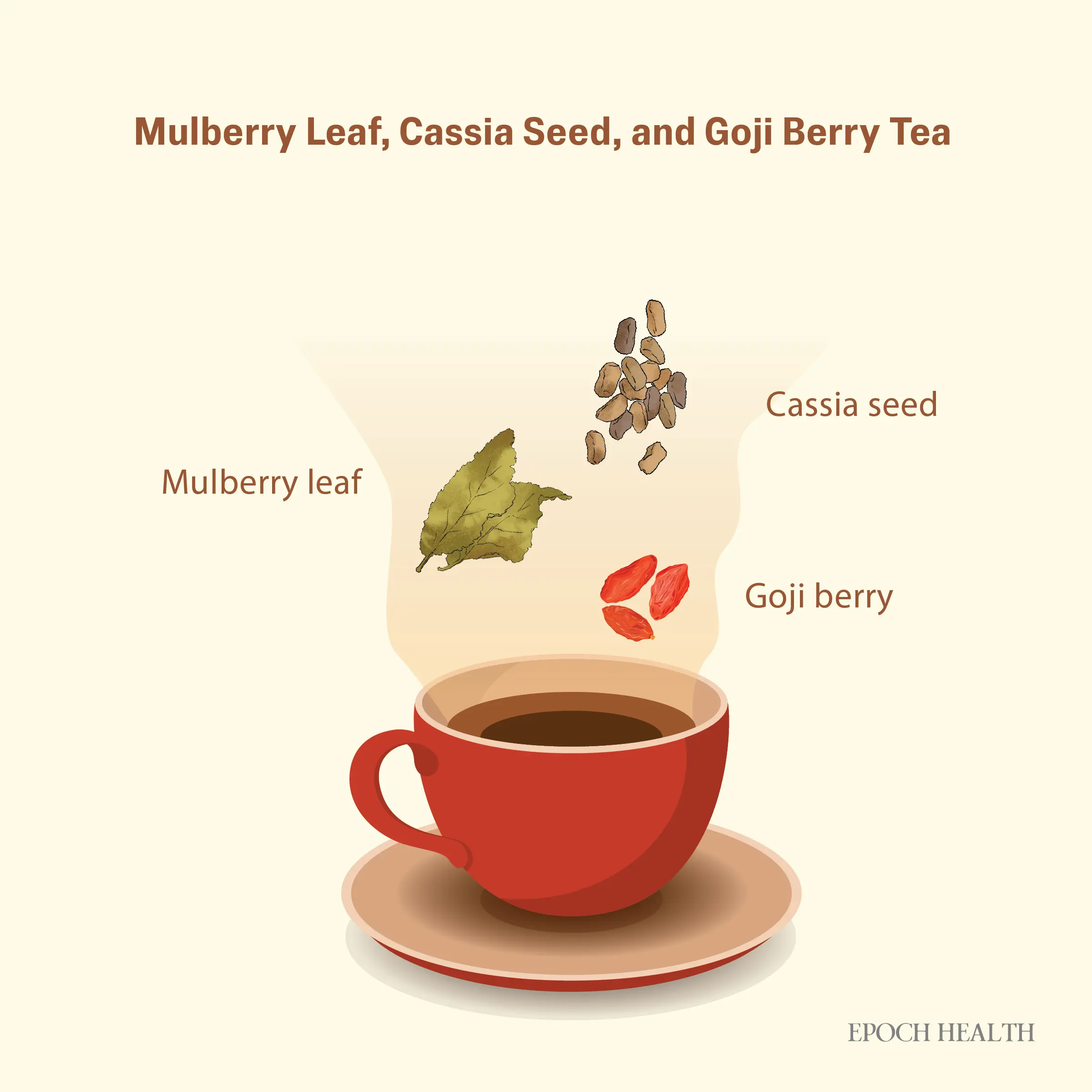
Mulberry Leaf, Cassia Seed, and Goji Berry Tea
People with metabolic syndrome frequently develop abdominal obesity, elevated cholesterol, constipation, dry eyes, or dizziness. Liu recommends this tea to complement broader lifestyle changes aimed at improving metabolic health.
Each ingredient serves a different purpose.
Ingredients
-
5 grams mulberry leaves
-
5 grams cassia seeds
-
5 grams goji berries
Preparation
-
Add ingredients to a teapot or heatproof mug.
-
Pour in hot water and steep for 10 to 15 minutes.
-
Strain if preferred and drink warm.
Caution: Not suitable for those who are sensitive to cold or have diarrhea; pregnant women should use with caution.
Chronic Fatigue May Also Affect Brain Function
While metabolic syndrome is one pathway to cognitive decline, Liu says TCM recognizes another common pattern.
Although this concept differs from modern medicine, Liu says therapies that replenish kidney qi may help improve energy, resilience, and mental clarity.
3. For Low Energy and Chronic Fatigue
American Ginseng and Danshen Tea
For people who constantly feel exhausted or mentally sluggish, Liu recommends a tea made with American ginseng (Panax quinquefolius), Danshen (Salvia miltiorrhiza), and Ophiopogon japonicus.
Ingredients
Preparation
Caution: Because Danshen may affect blood circulation, people taking blood-thinning medications, those with low blood pressure, or women who are menstruating should consult their healthcare provider before using this formula.
4. For Poor Sleep and Healthy Aging
Processed He Shou Wu, Goji Berry, and Reishi Tea
Sleep plays a critical role in memory consolidation and brain repair. People who sleep poorly often notice increasing forgetfulness, headaches, and reduced mental sharpness.
For this pattern, Liu recommends combining processed He Shou Wu (Polygonum multiflorum), goji berries, and Reishi mushroom (Ganoderma lucidum).
Ingredients
Preparation
-
Place Polygonum multiflorum and Ganoderma lucidum in a small pot with two cups of water.
-
Bring to a gentle boil, then lower the heat and simmer for 15 to 20 minutes.
-
Add the goji berries during the last five minutes of simmering.
-
Strain and drink warm.
Even Ordinary Tea May Benefit the Brain
Not every tea requires medicinal herbs.
From a TCM perspective, green tea is cooling in nature and is particularly suitable during warmer months. However, people with weak digestion or a tendency toward diarrhea may tolerate black or oolong tea better.
Note: The Chinese herbs mentioned above may be unfamiliar, but many can be found in health food stores and Asian grocery stores. Because everyone’s constitution is different, it is best to consult a professional physician for a specific treatment plan.
Pair Tea With Brain-Boosting Foods
Liu emphasizes that herbal teas work best as part of an overall healthy lifestyle. Nutritionist Huang recommends combining them with foods that support both metabolic and brain health.
Eat More
-
Omega-3-rich foods: Fatty fish, flaxseed, walnuts, and flaxseed oil provide DHA and other healthy fats important for brain function.
-
Healthy oils: Extra-virgin olive oil and camellia oil provide heart-healthy monounsaturated fats.
-
Colorful fruits and vegetables: Tomatoes, berries, leafy greens, and other brightly colored produce supply antioxidants that help protect brain cells.
-
Nuts: Pistachios and walnuts provide vitamin E and healthy fats linked to cognitive health.
-
Beans and legumes: Help stabilize blood sugar and support metabolic health.
Limit
No single tea can prevent dementia. However, maintaining healthy blood sugar, blood pressure, cholesterol levels, and body weight can help reduce one of the major drivers of cognitive decline.
Replacing sugary drinks with tea, eating a colorful, nutrient-rich diet, staying physically active, sleeping well, and managing chronic stress may all contribute to healthier brain aging.