





Analysts think a spike in the unemployment rate could convince the Reserve Bank to hold off on another interest rate rise before Christmas.
October labour force data released on Nov. 19 by the Australian Bureau of Statistics (ABS) showed the unemployment rate increased from 4.7 percent to 4.9 percent.
It’s the highest jobless figure in five years, defying expectations by economists for the rate to be stable for the month.
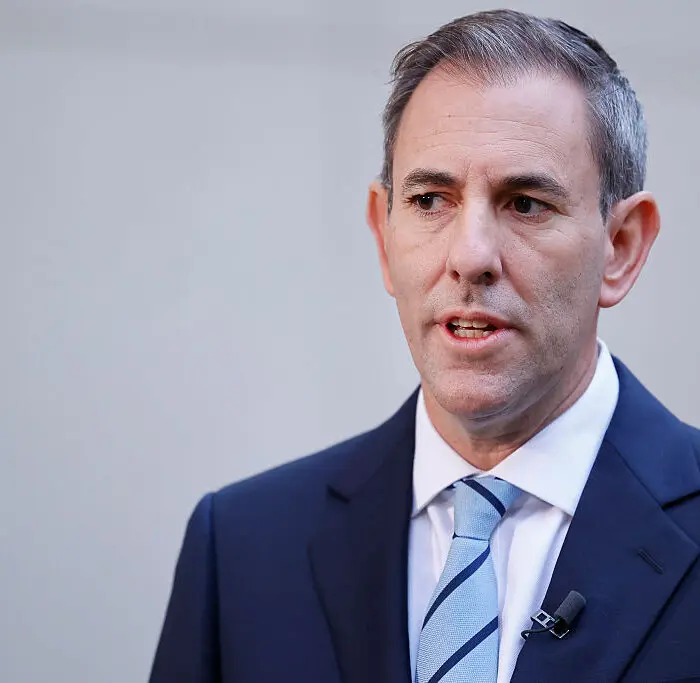
Treasurer Jim Chalmers said the figures were further proof of sustained pressures on the economy.
“Given higher interest rates and the challenges coming at us from around the world, it’s unsurprising to see unemployment tick up, but that doesn’t make it any less of a concern to Australians,” he said.
“While the labour market eased in October, our unemployment rate remains relatively low and that reflects the resilience of the Australian economy.”
Related Stories

The Reserve Bank of Australia (RBA) had forecast unemployment would reach five percent by 2028.
The unexpected rise in the jobless figure has lowered the odds of the central bank lifting the cash rate at its December meeting.
However, October inflation data—due to be released on Nov. 25—will provide a fuller picture of the RBA’s next move.
CreditorWatch chief economist Ivan Colhoun said the central bank was likely to hold fire on any further changes to the cash rate for now.
“The RBA board was always likely to remain on hold for an extended period given the two recent interest rate rises and the three earlier rate rises in the first half of the year,” he said.
“The latest data clearly supports the views of the three [dissenters on the RBA board in November] that wanted to wait for further information on the economy.”
Ernst and Young chief economist Cherelle Murphy said the data was the strongest evidence yet the labour market was losing momentum.
“After five interest rate increases this year, monetary policy is now biting,” she said.
“The Reserve Bank has a strong case to allow the substantial monetary tightening already delivered to work through the economy.”
The ABS’s head of labour statistics, Sean Crick, said there were 44,000 fewer people in employment in October compared to the previous month.
“We had a higher proportion of people remaining unemployed than we would usually see in October in the-post COVID era,” he said.
“Employment remained steady in trend terms, meaning there was very little underlying growth in the number of employed people.”
The figures came on the same day 500 workers were at risk of losing their jobs after clothing chain General Pants went into administration.
Large job losses have also been recorded across multiple industries, with an estimated 1,500 jobs to go at embattled department store David Jones, 2,500 at NAB, 850 at Qantas, and 900 at Rio Tinto.
Business Council of Australia CEO Bran Black said a circuit breaker was needed for the economy.
“The alarm bells for the economy are now ringing loudly and this rising unemployment is a clear warning there is potentially more pain to come,” he said.
“It’s clear we must change direction quickly or risk severe economic consequences for all Australians.”
The youth unemployment rate—which takes in people aged between 15 and 24—also rose to its highest level in five years, at 11.3 percent.
Employment Hero Managing Director James Keene said the labour market was cooling at a normally busy time ahead of Christmas.
“Today’s rise in unemployment lines up with what business owners have been telling us: costs are high and hiring is getting harder to justify,” he said.
By Andrew Brown in Canberra.