





A frugal mother always served freshly cooked meals to her family while quietly eating the leftovers herself. She viewed it as nothing more than good housekeeping. Then, during a routine health screening, she received an unexpected diagnosis: colorectal cancer that had already spread to nearby lymph nodes. Fortunately, after treatment, her disease was brought under control.
“Many people think they’re simply avoiding food waste, but they may overlook the health risks associated with improper food storage and preparation,” Dr. Kuo Shih-Fang, director of the Department of Integrative Medicine at Chi Mei Medical Center and a traditional Chinese medicine (TCM) practitioner, shared this case on “Health 1+1” on NTD, a sister outlet of The Epoch Times.
According to Kuo, the real concern is not leftovers themselves, but the long-term habit of eating foods that have been improperly stored, repeatedly exposed to high heat, or have already begun to deteriorate.
Cancer rarely results from a single food. Rather, it typically develops over many years through the combined effects of genetics, lifestyle, environmental exposures, and diet, he said. Even so, seemingly harmless eating habits can gradually increase the body’s burden and deserve greater attention.
Chronic Inflammation: A Common Thread in Many Diseases
Oxidized compounds, mold toxins, and other harmful substances found in spoiled foods may repeatedly irritate the digestive tract, trapping the body in a cycle of damage, repair, and further injury, Kuo said.
Related Stories
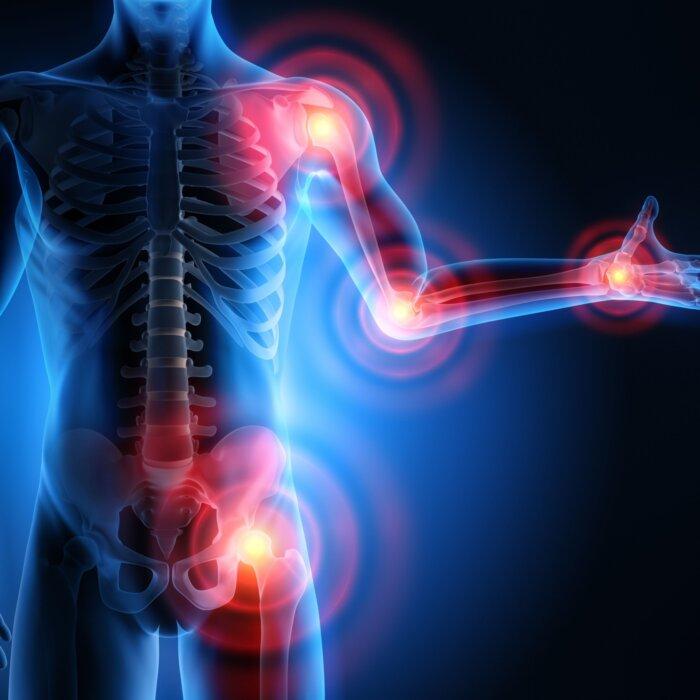
Inflammation is an essential part of the body’s natural healing process. However, when the source of irritation persists, short-term inflammation can evolve into chronic inflammation—a condition increasingly linked to cardiovascular disease, diabetes, and several types of cancer.
“As cells repeatedly repair damaged tissue over time, abnormal cell growth becomes more likely,” Kuo said. “This can increase the likelihood of developing polyps and, eventually, cancerous changes.”
Instead of focusing on any single food, he believes it is more important to evaluate one’s overall dietary pattern.
4 Easy-to-Overlook Unhealthy Eating Habits
According to Kuo, four eating habits are especially common among families trying to save money—and they are also among the easiest to overlook.
1. Reheating Improperly Stored Vegetables
How food is stored, not just when it was cooked, matters. Leafy green vegetables naturally contain nitrates. If they sit out for long periods—especially under improper storage conditions—bacteria can convert some nitrates into nitrites.
Nitrites are not the same as carcinogenic nitrosamines, which are compounds that can form when nitrites react with certain substances. Properly refrigerated leftovers generally pose a low overall cancer risk. However, excessive nitrite intake may interfere with the blood’s ability to carry oxygen, potentially causing symptoms such as shortness of breath. More importantly, improperly stored food can become a breeding ground for bacteria, increasing the risk of foodborne illness.
Kuo recommends refrigerating cooked foods as soon as possible, avoiding extended room-temperature storage, and minimizing repeated reheating. If food develops an unusual odor, changes color, or shows obvious changes in texture, discard it.
2. Reusing Frying Oil
Another common money-saving habit is repeatedly using the same batch of oil for deep-frying.
Many people choose healthier cooking oils, such as camellia oil, for frying. However, no cooking oil is designed to withstand repeated high-temperature frying, Kuo said.
Camellia oil naturally contains beneficial compounds such as polyphenols, squalene, and phytosterols, which may help support cardiovascular health. However, repeated exposure to high heat destroys many of these beneficial compounds while generating oxidized byproducts that may be harmful to the body. Because the liver plays a central role in detoxification and metabolism, it is among the first organs to bear the burden of processing these compounds.
Kuo advises discarding frying oil once it becomes dark, cloudy, foamy, or develops an unpleasant odor. As a general rule, frying oil should not be reused more than three times.
3. Using Low-Cost, Low-Quality Meats
Very inexpensive meat products—particularly those of uncertain origin or questionable quality—can also pose hidden health risks.
Kuo recalled a family of three who regularly bought heavily discounted minced pork nearing its expiration date on a livestream shopping platform. It became a staple of their diet, and over time, all three family members were diagnosed with pancreatic cancer.
Although cancer is a complex disease with many contributing factors and cannot be attributed to a single food, Kuo said the case serves as a reminder that sacrificing food quality to save money may come at a cost to long-term health.
When buying meat, he recommends watching for three potential warning signs.
-
Moldy or Spoiled Meat: Moldy meat may indicate spoilage and could potentially contain harmful microorganisms or toxins produced by certain microorganisms.
-
Meat Trimmings and Mixed Fat: Inexpensive ground meat may contain meat trimmings and possibly a mixture of different fat components. If the meat or its fats are improperly stored, oxidation and deterioration may occur, potentially producing undesirable compounds.
Rather than choosing the cheapest option, Kuo recommends buying meat from reliable sources that follow verifiable food safety practices.
4. Eating Moldy Foods
To avoid wasting food, many people cut away the visible mold and eat the rest. However, the fuzzy spot on the surface may be only the tip of the iceberg, Kuo said.
“If your eyesight isn’t good, the lighting is poor, or you’re distracted while eating, you may not notice the mold at all.”
Peanuts, corn, tree nuts, grains, and other foods stored in warm, humid conditions are particularly susceptible to contamination.
For this reason, Kuo advises discarding moldy foods entirely—especially bread, pastries, peanut products, nuts, and grains—instead of cutting away the visibly affected portion and eating the rest.
How to Store Food Safely
Rather than worrying about individual foods, the most effective strategy is to develop good food storage and preparation habits, Kuo said.
Don’t overcrowd your refrigerator. Cold air needs to circulate freely to keep food at a safe temperature. An overfilled refrigerator may create warmer pockets where food spoils more quickly. Using a refrigerator thermometer can help ensure the temperature remains low enough for safe food storage.
Refrigerate cooked foods promptly. Avoid leaving prepared foods at room temperature for extended periods. Reheat leftovers thoroughly before eating, and avoid reheating the same food repeatedly.
Don’t reuse disposable plastic containers indefinitely. Many people wash takeout containers and reuse them for hot foods or in the microwave. Over time, these containers may degrade and become difficult to clean thoroughly, allowing bacteria to accumulate.
Replace worn insulated containers. Vacuum-insulated bottles and food jars lose their insulating ability as they age or become damaged, increasing the likelihood that foods or beverages will remain in the temperature “danger zone” where bacteria multiply more rapidly.
Small Habits Make a Big Difference
The goal is not to fear leftovers or avoid every reheated meal, Kuo said.
Instead, the greater concern is the long-term habit of eating foods that have been improperly stored, repeatedly exposed to high temperatures, or allowed to spoil.
“There’s nothing wrong with being frugal,” he said. “But your health is far more valuable than the money you save.”
Choosing fresh ingredients, storing food properly, and avoiding repeated high-heat cooking or eating spoiled food may seem like small, everyday habits. Over time, however, they can make a meaningful difference in long-term health.