





Every herb has a story.
Herbal traditions and folklore developed across cultures through generations of observation and experience, long before pharmacology became an experimental science in the 19th century. Today, modern research can help us better understand traditional remedies, how they work, and which uses are supported by evidence.
I still remember my family’s stories, read books about healing traditions, and observe the plants growing around me. I watch the people in my community and imagine how traditional knowledge and modern science can merge. My herbal mentor always says: “Plants grow where people need them.”
In that sense, many of today’s featured herbs may already grow near you. If not, you can invite them into your garden or grow them in pots on your balcony or patio.
10 Herbs for Your Home Apothecary
These 10 herbs offer many ways to explore natural wellness, with practical uses and simple preparations.
Before You Begin: Medicinal herbs vary in strength, preparation, and safety. Some can interact with medications or may not be suitable during pregnancy, breastfeeding, or for children. Identify plants carefully, especially when foraging, and consult a qualified herbalist or healthcare professional before using herbs to manage a medical condition.
1. Basil

Annabell Gsoedl/Shutterstock
Basil (Ocimum basilicum) is antimicrobial and anti-inflammatory and is traditionally used to stimulate the brain and reduce stress.
-
Best For: Relieving brain fatigue, depression, and anxiety
-
Part Used: Leaves
-
Simple Preparation: Syrup, tincture, or tea
-
Safety Note: Do not use basil in medicinal doses if you wish to become pregnant; it is contraindicated during early pregnancy.
2. Mint

Alexandra Roach/The Epoch Times
The large mint family of herbs, known as Lamiaceae, includes catnip, lemon balm, spearmint, and peppermint. While we often think of spearmint and peppermint as interchangeable herbs aiding the gastrointestinal tract, these two herbs differ in one major way—see safety note below.
-
Best For: Simple nausea and indigestion
-
Part Used: Leaves
-
Simple Preparation: Herbal tea
-
Safety Note: Spearmint has no contraindications. Do not take peppermint long-term, and not when suffering from gastroesophageal reflux disease or gastroesophageal reflux disease, peptic ulcers, hiatal hernia, or gastritis.
Related Stories

3. Raspberry Leaves

Prostock-studio/Shutterstock
Generally, we think of delicious berries when we mention raspberries. However, here I mean the leaves of the raspberry bush. Although the berries are rich in minerals and vitamins and have valuable properties in their own right, raspberry leaves have a special affinity with the female reproductive system.
-
Best For: Pregnancy, birth, or prolapsed uterus
-
Part Used: Leaves
-
Simple Preparation: Herbal tea
-
Safety Note: Use caution if you have constipation
Folklore suggests that Native American women used raspberry leaf tea for labor pain relief, while European women utilized it for fertility and menstrual cramps.
4. Rose

Bvbflo1/Shutterstock
It’s no wonder rose is called the heart gladdener. It calms and restores irritated areas of the body, such as mucous membranes, helping tissues return to balance, and calms irritability by working through the parasympathetic nervous system that manages the body’s automatic responses.
-
Best For: Reduces excess heat (inflammation and irritability) in the body and mind
-
Part Used: Flower petals
-
Simple Preparation: Aromatherapy (essential oil or hydrolate through steam extraction), tincture, or herbal tea
-
Safety Note: Contraindicated at least during the first half of pregnancy; use caution during diarrhea or pre-existing loose stools.
5. Yarrow

Alexandra Roach/The Epoch Times
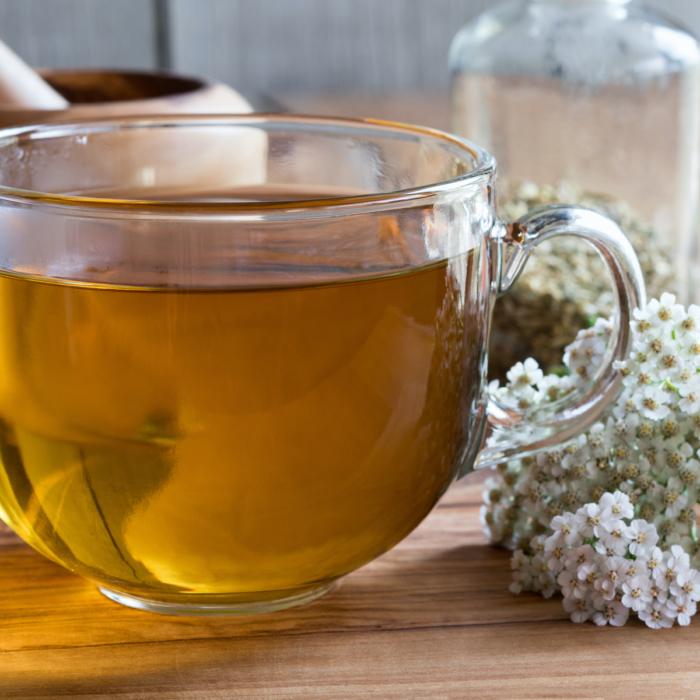
Yarrow (Achillea millefolium) has a long history of being the “blood stopper” in the world of herbs. It probably grows in many backyards and green fields around us, as long as it has been protected from herbicides and other sprays.
-
Best For: Passive hemorrhage, bleeding wounds, or cuts
-
Part Used: Upper leaves and flower heads
-
Simple Preparation: Fresh herb-leaf poultice, ground dry-herb powder, alcohol or oil extracts, or an herbal tea
-
Safety Note: Do not use if you are overly constipated. Avoid higher dosages during pregnancy.
6. Violets

Alexandra Roach/The Epoch Times
Another familiar herb, mostly known as a wildflower, is violets, or Viola odorata. In folklore, violets are said to embody humility, simplicity, and serenity, which fits their humble appearance.
However, these small flowers have a long history of medicinal use as an anti-inflammatory and alterative agent, supporting the body’s drainage network and respiratory support.
-
Best For: Migraines, respiratory ailments
-
Part Used: Leaves and flower heads
-
Simple Preparation: Syrup, tea, or tincture
-
Safety Note: Contraindicated during IBS, diarrhea, or pregnancy. Reduce the dose if the laxative effect becomes too strong.
7. Red Clover

Alexandra Roach/The Epoch Times
Known to farmers as a nitrogen fixer, red clover (Trifolium pratense) is also an effective detoxifier.
-
Best For: Lymphatic congestion and anticancer properties
-
Part Used: Flower heads
-
Simple Preparation: Tea or tincture
-
Safety Note: Avoid in high doses in pregnant women with a history of miscarriage.
8. Dandelion

Alexandra Roach/The Epoch Times
Dandelions, scientifically known as Taraxacum officinale, are often seen as weeds that many people try to eliminate from their gardens. However, their leaves can support weak kidneys and promote diuretic activity, which increases urine production. Dandelion roots help strengthen liver function and enhance digestive output.
-
Best For: Edema (water retention) and detoxifier
-
Part Used: Leaves and roots
-
Simple Preparation: Culinary (in salads or as a fresh-pressed juice), herbal tea, or a tincture
-
Safety Note: Long-term use or large doses may aggravate the stomach. Stools may loosen.
9. Comfrey

Alexandra Roach/The Epoch Times
Comfrey is a perennial that will thrive in most gardens. Its hairy stems and leaves have long been known for their skin-healing properties. When you cut a stem, the plant secretes a gel-like, slimy substance. This forms a protective, soothing film over minor wounds and mucous membranes, helping fight dryness and inflammation.
-
Best For: Wound healing, mucosal damage, and inflammation
-
Part Used: Leaves and roots
-
Simple Preparation: Poultice, oil (salves made from oil), tea (or water extractions for baths), or tincture
-
Safety Note: Not for prolonged internal use; this could cause liver damage. Consult a qualified herbalist if you want to use it internally during pregnancy, breastfeeding, or in young children.
10. Nettles

Alexandra Roach/The Epoch Times
Often dismissed as weeds, nettles (Urtica dioica) are rich in vitamins, minerals, and protein, while their seeds contain essential fatty acids. These nutrients help support healthy muscles, bones, skin, and other body systems.
-
Best For: Anemia and other deficiencies
-
Part Used: Leaves and seeds; in special cases, the root
-
Simple Preparation: Culinary (in food and smoothies), tea, or tincture
-
Safety Note: Do not eat raw, fresh leaves unless prepared correctly. Wear gloves when handling fresh nettles. Blanch, cook, or properly dry the leaves before eating to remove their sting.
Each of these herbs has a long history of use, with far more to explore than one or two articles can cover. Let this list inspire you to connect with nature, bring useful plants into your kitchen, and boost your well-being through simple home remedies.
When in doubt, reach out to your local herbalist and healthcare professional before using medicinal plants, especially if you take medications, have a medical condition, or are pregnant or breastfeeding.