





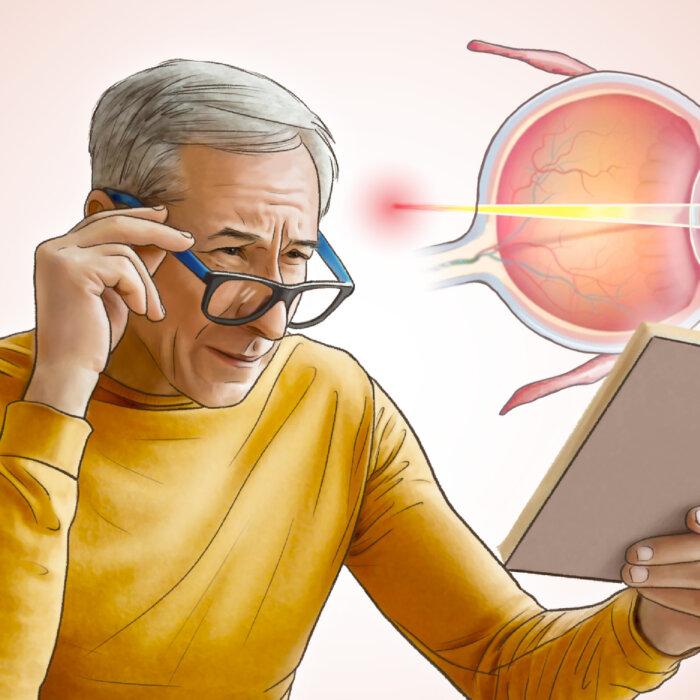
From children spending hours on tablets to office workers staring at computer screens and older adults reaching for reading glasses, modern life places unprecedented demands on our eyes. As a result, myopia, digital eye strain, dry eye disease, and age-related vision changes are becoming increasingly common.
While genetics and aging play important roles in vision, everyday habits can also influence long-term eye health. Traditional Chinese Medicine (TCM) physician Hu Naiwen, now in his 70s, still reads small print without reading glasses. He credits decades of healthy visual habits, acupressure, diet, and lifestyle practices for helping preserve his eyesight. Although no single remedy can prevent every eye condition, Hu believes a combination of daily habits can help keep eyes healthier throughout life.
Modern Vision Problems Begin With Too Much Near Work
Many people blame smartphones and computers for today’s surge in vision problems. According to Hu, however, screens themselves are only part of the story. The bigger issue is prolonged close-up work.
Whether reading books, studying, texting, or working on a laptop, spending hours focusing at close distances places continuous demands on the eye’s focusing muscles. In children, this may contribute to the development and progression of myopia. In adults, it often leads to eye fatigue, blurred vision, headaches, and dry eyes.
Healthy Visual Habits Start Early
Because children’s eyes are still developing, everyday habits can have a lasting impact on their vision.
Hu recommends paying attention to two common mistakes:
Holding a pencil too close to the tip. Young children sometimes grip pencils or crayons so low that they cannot clearly see what they are writing, causing them to lean excessively toward the page.
Reading too close or lying down while reading. Both habits force the eyes to focus at an unnecessarily short distance for prolonged periods.
Ideally, the eyes should remain about 12 to 16 inches (30 to 40 centimeters) from books or notebooks while reading or writing. Adequate lighting—preferably coming from the left front for right-handed writers—can also reduce unnecessary eye strain.
A Simple Focusing Exercise for Tired Eyes
Hu recommends a focusing exercise for anyone who spends long hours looking at nearby objects, including students and office workers.
- Hold a pen at eye level and focus clearly on its tip.
- Slowly move the pen farther away while keeping it in focus.
- Gradually bring the pen back toward your eyes.
- Repeat the near-to-far focusing cycle several times.
According to Hu, this exercise gently relaxes and trains the ciliary muscles responsible for focusing. He recalled one patient with severe myopia who reported clearer distance vision after practicing the exercise consistently for about a year. While current scientific evidence does not show that focusing exercises reverse true myopia, they may help reduce eye fatigue and improve accommodative flexibility in people who spend prolonged periods doing close work.
Sports such as badminton, tennis, and baseball may offer similar benefits because they require the eyes to repeatedly shift focus between near and distant objects.
Acupressure to Relieve Eye Fatigue
In TCM, the eyes are closely connected to the body’s overall health. A classic Chinese medical text, the Huangdi Neijing (Yellow Emperor’s Inner Classic), states that “the essence of the internal organs rises to nourish the eyes,” reflecting the traditional belief that healthy circulation of qi (vital energy) and blood supports good vision.
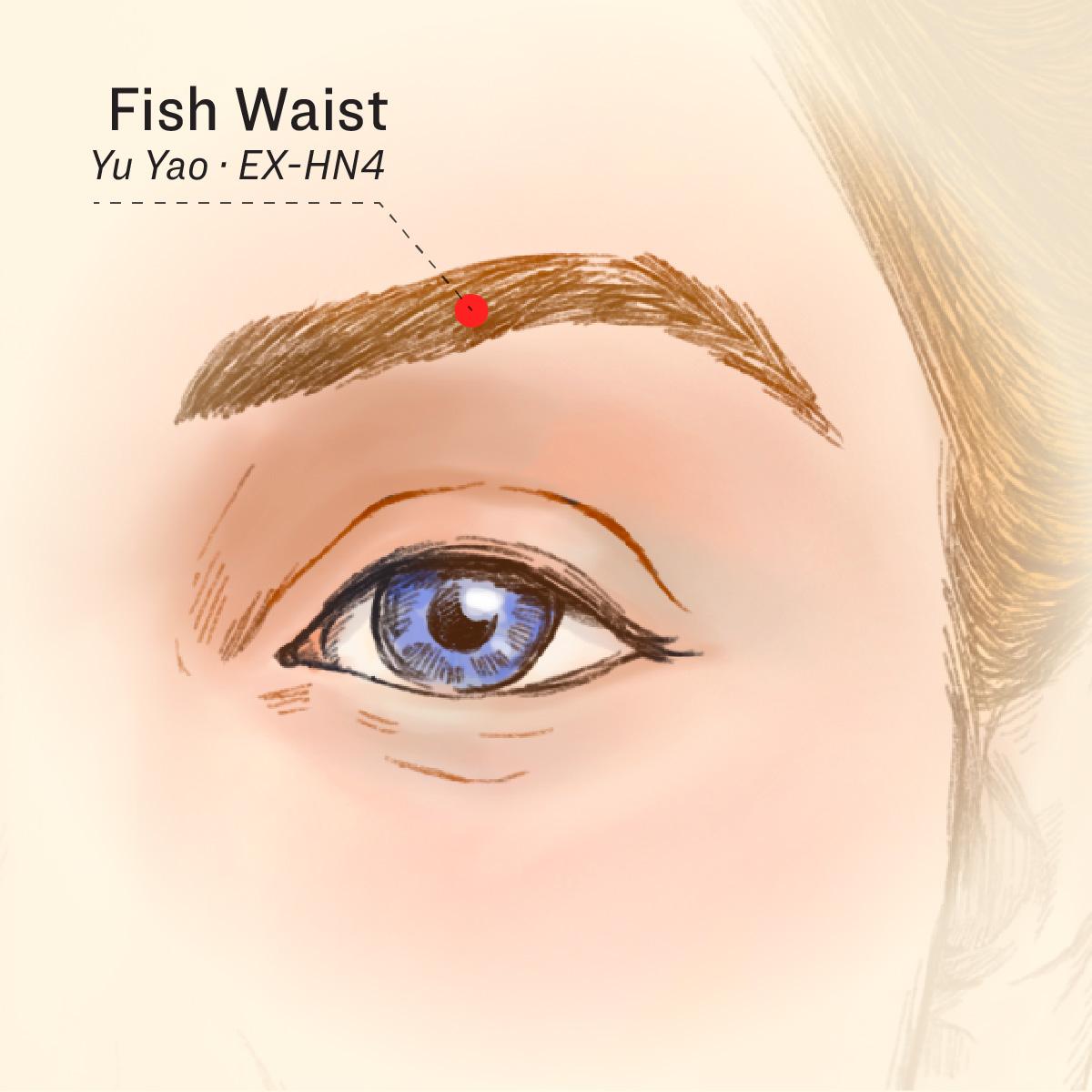
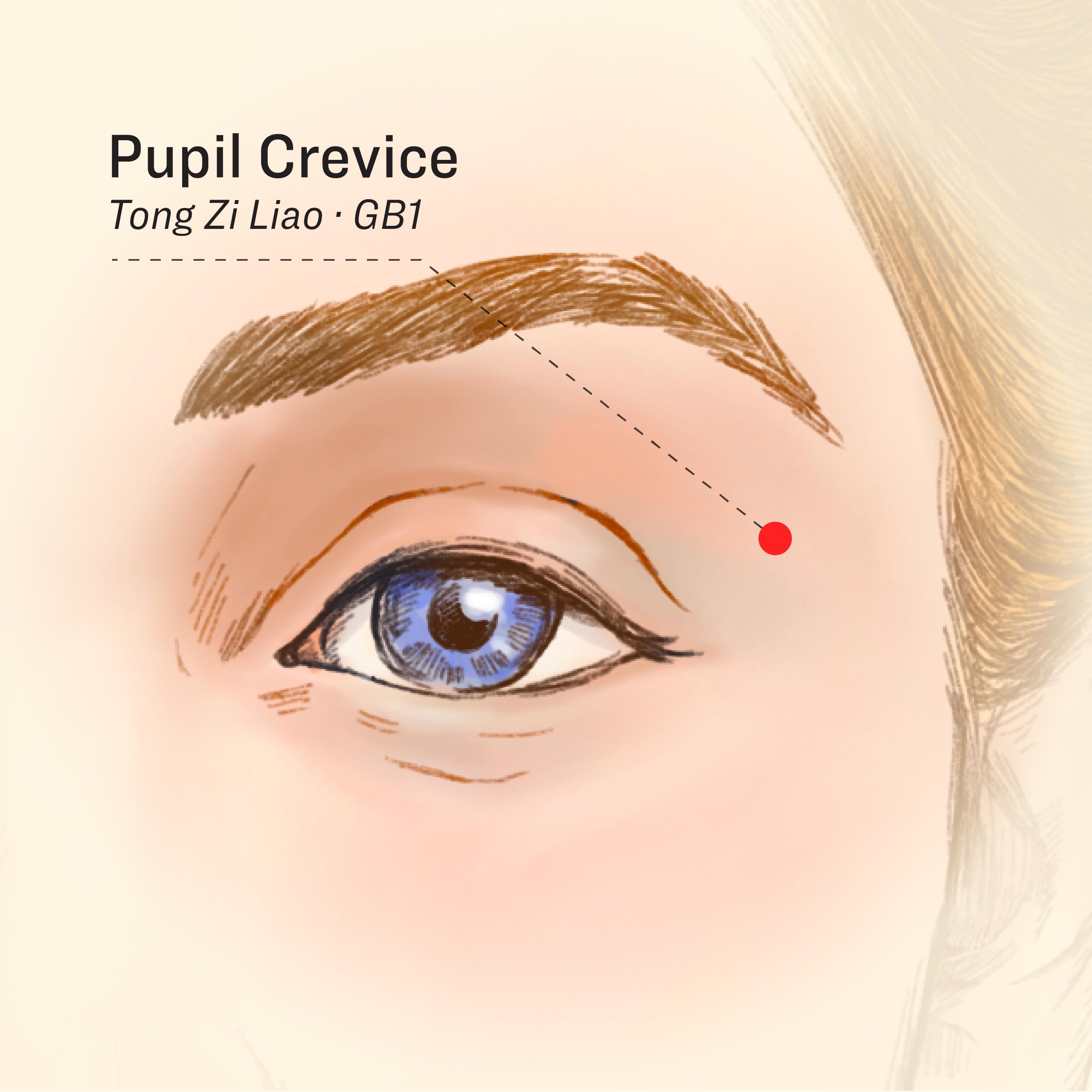
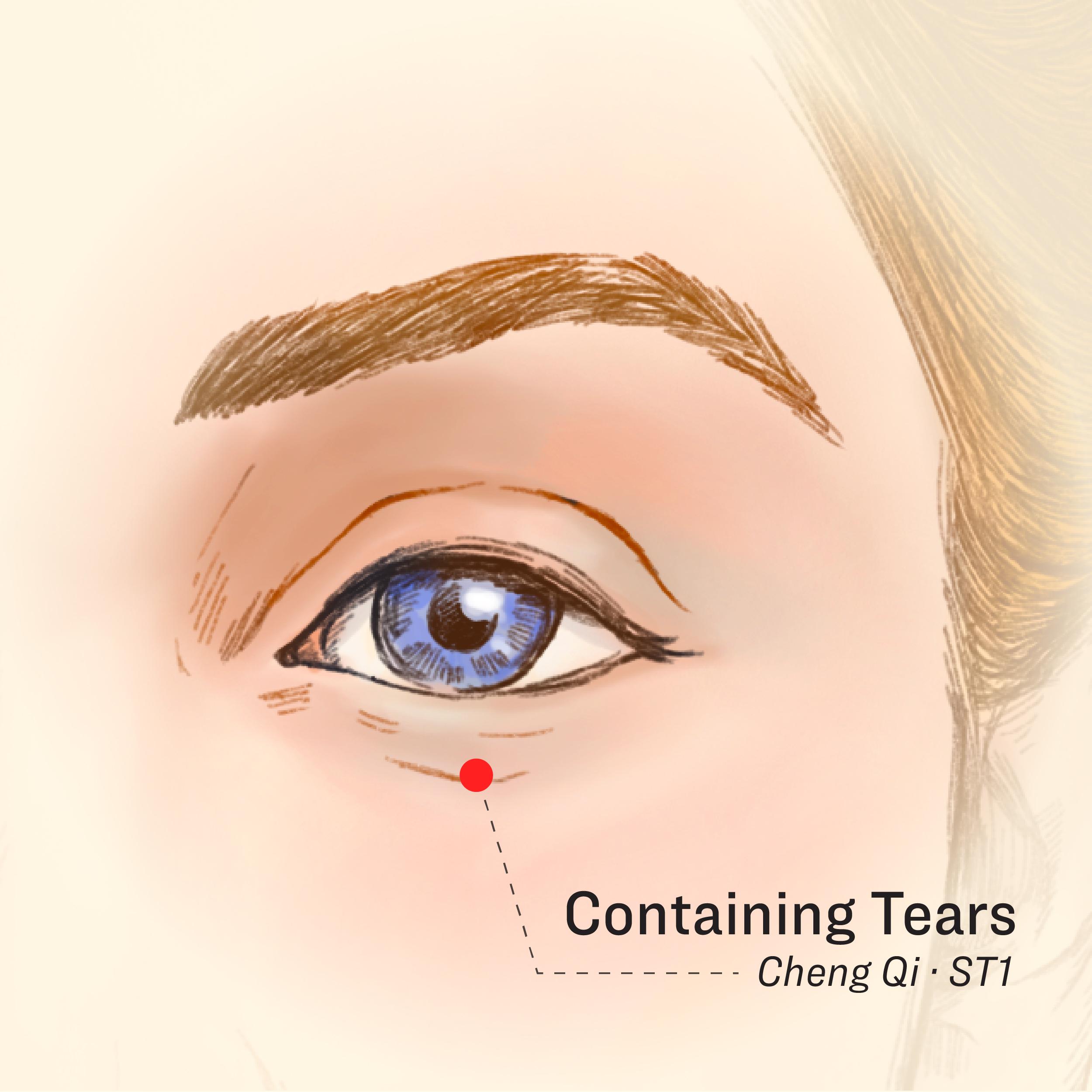
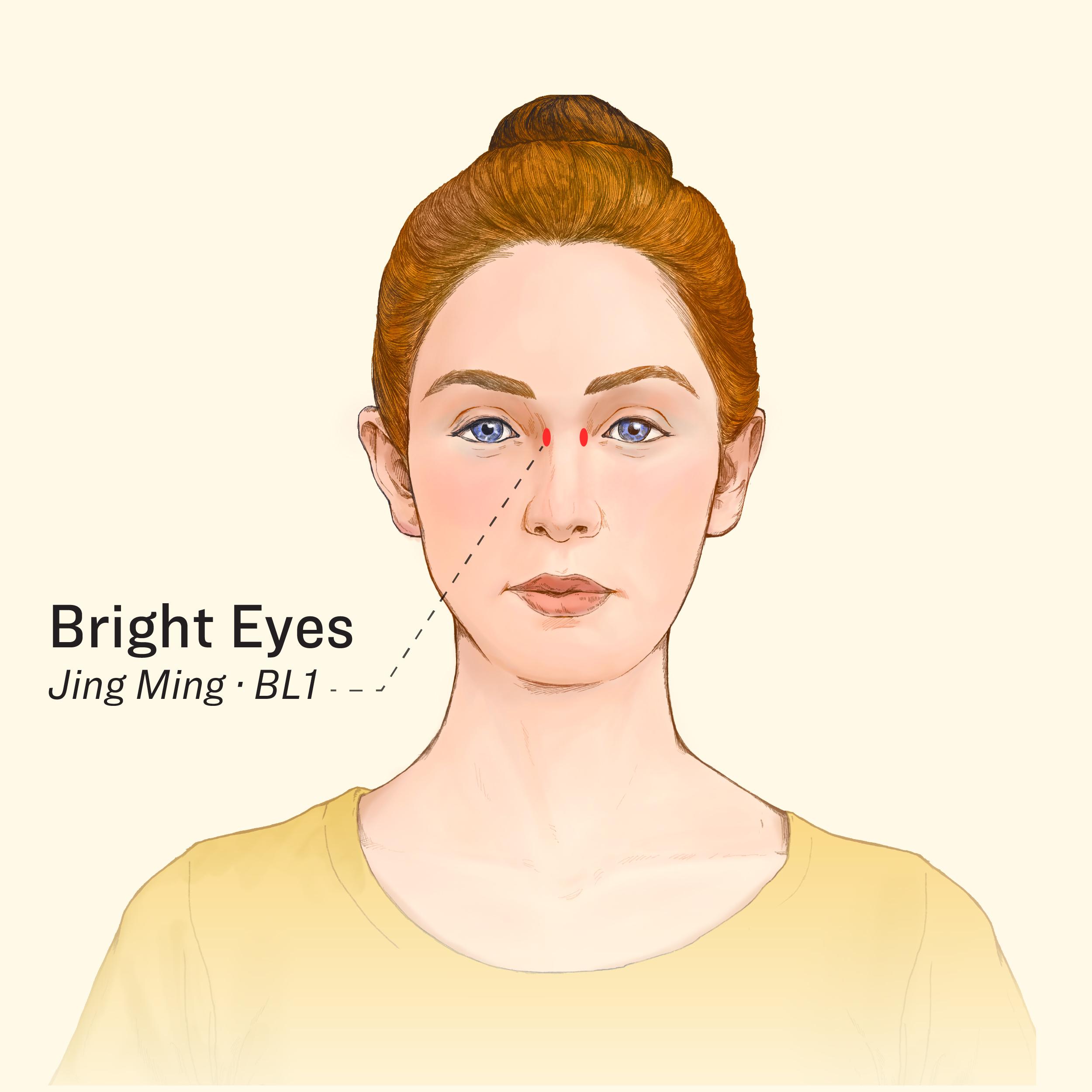
Hu recommends gently massaging five acupoints around the eyes to relieve eye fatigue and support healthy circulation.
Using the knuckles of your index fingers, massage each point with gentle pressure until a mild sensation of soreness is felt.
The five acupoints include:
1. Gathered Bamboo (Zanzhu): The inner corner of the eyebrow
2. Fish Waist (Yuyao): The center of the eyebrow

3. Pupil Crevice (Tongziliao): The outer corner of the eye
4. Containing Tears (Chengqi): The area below the eyeball
5. Bright Eyes (Jingming): The inner corner of the eye
Spend about one to three minutes completing the routine.
Hu says the massage may be helpful for students after studying, office workers after long hours at the computer, and older adults experiencing eye fatigue associated with presbyopia.
Nourish Your Eyes From the Inside Out
Nutrition also plays an important role in lifelong eye health.
Hu recommends eating about 10 to 20 dried goji berries daily as a snack.
Herbal Tea for Eye Comfort
Hu also recommends a traditional herbal tea made with:
- 2 tablespoons dried goji berries
- 1 tablespoon dried chrysanthemum
- 2 tablespoons cassia seeds
Instruction
- In a cup, combine the goji berries, chrysanthemum, and cassia seeds.
- Pour in 10 to 16 fluid ounces of hot water and steep for 15 minutes.
- Enjoy warm!
Expert Tips
From a TCM perspective, chrysanthemum and cassia seeds are traditionally used to help “clear heat” and support eye comfort. Hu recommends using equal amounts of raw and roasted cassia seeds to balance their properties.
When purchasing goji berries, choose products that are organic when possible. Naturally dried berries typically have pale stems rather than bright red ones. Avoid berries that appear unusually glossy, intensely red, or have a sour odor, as these may indicate artificial processing.
Related Stories

Foods That Support—and Harm—Eye Health
Alongside traditional remedies, Hu emphasizes eating a balanced diet rich in nutrients known to support healthy vision.
- Lutein and zeaxanthin, found in spinach, kale, broccoli, and other leafy greens, which help protect the macula by filtering blue light.
- Astaxanthin, found in salmon, shrimp, trout, and other seafood, which has antioxidant properties and may help reduce eye fatigue.
- Omega-3 fatty acids, abundant in oily fish, which support tear production and may benefit people with dry eyes.
Hu also advises limiting excessive sugar and heavily processed foods, which may contribute to chronic inflammation and blood vessel damage over time.
Small Daily Habits Make a Big Difference
Protecting your eyesight involves much more than reducing screen time. Taking regular breaks from close work, maintaining proper reading distance, spending time outdoors, eating a nutrient-rich diet, and practicing simple techniques such as focusing exercises and acupressure may all help support healthier vision.
Whether you’re helping a child reduce the risk of myopia, trying to ease screen fatigue after a long workday, or adapting to age-related changes in vision, healthy daily habits can help your eyes stay more comfortable and resilient for years to come.