





Exercise more. Eat more fiber. Cut back on processed meat and alcohol. Maintain a healthy weight. These can all help lower your risk of colon cancer. What is harder to understand is how much each habit matters.
Colorectal cancer rates are rising among adults younger than 50, a concerning trend that helped prompt screening recommendations to begin at age 45 rather than 50 for people at average risk. Understanding how everyday habits influence risk is increasingly important.
Those percentages need context. Most come from observational studies that compare populations over time.
“A figure such as ‘20 percent lower risk’ is almost always a relative measure,” Dr. Andre Fialho, a board-certified gastroenterologist at the Orlando Health Digestive Health Institute, told The Epoch Times. “By itself, it does not tell us how much an individual’s actual chance of developing colorectal cancer changes.”
Relative risk compares one person’s risk to another’s. Absolute risk is each person’s actual risk.
Related Stories

For example, if someone had a hypothetical 4 percent absolute risk of cancer, a 20 percent reduction in relative risk compared with another person would lower that absolute risk to 3.2 percent. That is a drop of 0.8 percentage points, or about one fewer case for every 125 people. The change is real, but far smaller than “20 percent” suggests.
Physical Activity and Sitting
Exercise may help lower colon cancer risk by improving blood sugar control, reducing inflammation, and helping waste move through the digestive tract faster. Researchers are still working to understand which of these effects matter most.
Still, they highlight a useful distinction. “Sedentary behavior and physical inactivity are related but distinct risk factors,” Fialho said. In other words, a daily workout may not fully cancel out the effects of sitting for hours.
Fiber, Whole Grains, and Calcium
“Eat more fiber” is common cancer-prevention advice, but dose-response research provides more context.
These numbers describe patterns among groups of people. They do not mean eating an exact amount will cut your risk by a precise percentage.
Calcium shows a similar pattern. Each additional 200 milligrams per day was linked to about a 6 percent lower risk.
“The research on calcium supplements for colorectal cancer prevention is mixed, and it’s not consistent enough for me to recommend supplementing for that purpose alone,” Lauren Manaker, a registered dietitian at Nutrition Now Counseling in Charleston, South Carolina, told The Epoch Times.
Good food sources include dairy, calcium-set tofu, canned sardines or salmon with edible bones, kale, bok choy, and collard greens.
For fiber and whole grains, Manaker favors small swaps: “Choosing whole grain bread over white, adding beans to soups and salads, and reaching for fruit as a default snack.”
Processed Meat and Alcohol
The WCRF classifies processed meat as a convincing cause of colorectal cancer and red meat as a probable cause, recommending very little, if any, processed meat and moderate amounts of red meat. Several factors may explain the increased risk. Nitrites used to preserve some processed meats can form potentially cancer-causing compounds in the gut. Iron naturally found in red meat and chemicals produced when meat is cooked at high temperatures may also contribute to the risk.
Alcohol also shows a dose-related pattern. When the body breaks down alcohol, it produces acetaldehyde, a toxic compound that can damage DNA in cells lining the colon, potentially contributing to cancer development.
The WCRF found that each additional 10 grams of alcohol per day, slightly less than one U.S. standard drink (about 14 grams), was associated with about a 7 percent higher relative risk of colorectal cancer overall. “Current evidence doesn’t point to a clearly risk-free level for cancer specifically, and risk tends to rise with the amount consumed,” Manaker said.
Manaker doesn’t tell clients to ban these foods. “My approach is about frequency rather than banning anything outright, because guilt rarely leads to lasting change,” she said. For people who drink regularly, she suggests reducing frequency, incorporating alcohol-free days and paying attention to pour sizes.
Body Weight and Smoking
Body mass index is a measurement, not a habit, so it is harder to translate into advice.
Across 38 studies with more than 71,000 colorectal cancer cases, the WCRF found about a 5 percent increase in risk for every 5-point increase in BMI. The association was stronger in men and for colon cancer than rectal cancer. Differences in where men and women store body fat, along with hormonal differences, may help explain the findings, but the reasons are unclear.
Excess body fat, particularly around the abdomen, may increase colorectal cancer risk by contributing to chronic inflammation and higher insulin levels, which can promote abnormal cell growth, Fialho said. However, she cautioned against treating weight as a stand-alone predictor.
“Colorectal cancer is multifactorial, and its burden cannot generally be attributed predominantly to any single lifestyle exposure.”
Why You Can’t Add the Percentages Together
It can be tempting to turn these findings into a math problem: 20 percent from exercise, 17 percent from whole grains, another reduction from calcium and another from avoiding processed meat.
Cancer risk does not work that way. The estimates come from different populations, exposure levels, statistical models, and sometimes different cancer sites. Lifestyle factors also overlap. “Individual risk-factor estimates cannot simply be added or multiplied because the factors may overlap, correlate, share biological pathways and interact,” Fialho said.
“No one food or nutrient makes or breaks your health, and the associations we’ve discussed are pieces of a much larger picture,” Manaker said. “Pick one or two changes you can actually sustain rather than overhauling everything at once,” she said. “Consistency beats perfection every time.”
Lifestyle Does Not Replace Screening
Even a “near-perfect” lifestyle cannot eliminate colorectal cancer risk. Age, genetics, family history, inflammatory bowel disease, previous polyps, and other factors influence risk regardless of diet or exercise.
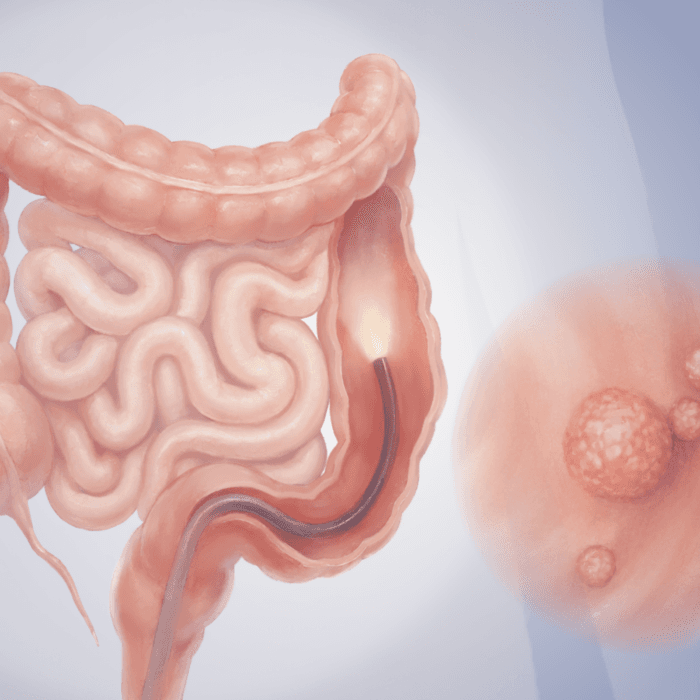
Lifestyle may reduce the chance that polyps form, while screening catches those that still do. “Lifestyle modification should be viewed as complementary to, rather than a replacement for, recommended colorectal cancer screening,” he said.
The percentages cannot tell an individual whether cancer will occur. But they do show which habits carry the most evidence. Moving regularly, eating more fiber-rich plant foods and whole grains, limiting processed meat and alcohol, avoiding tobacco, getting enough calcium, and maintaining a weight that supports metabolic health do not guarantee protection against colorectal cancer.
Together, alongside regular screening, they are the best-supported steps for lowering risk.