


The Science of Crispy Chicken—Without the Harmful Compounds

admin
By admin
7 Min Read

Crispy chicken is a familiar part of many Sunday dinners. That deep-golden, shatteringly crisp skin is one of the most satisfying textures in comfort food. However, not all browning is created equal. Push it too far, and the same reactions that build flavor can also create harmful compounds. With the right technique, the oven can deliver that crispy finish without added oil and crossing into that territory.

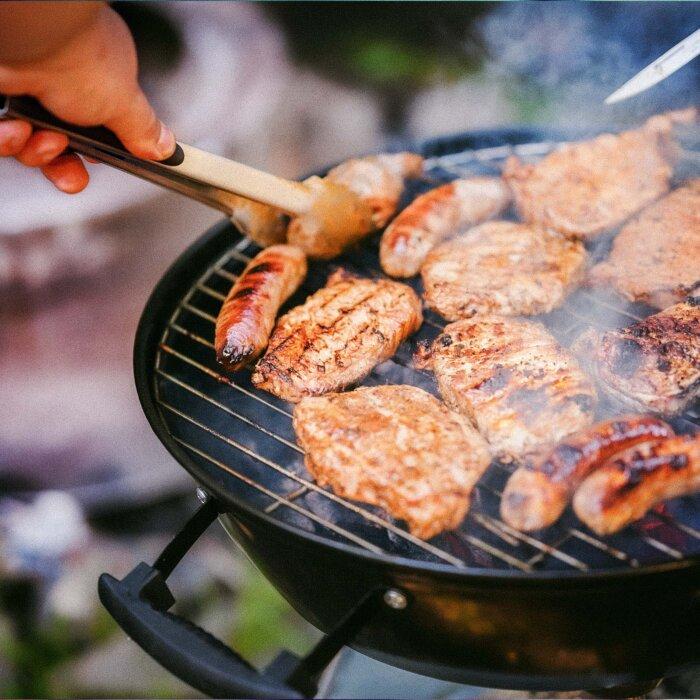
Most cooks don’t think about what high heat is doing to their food. They’re watching for color, not chemistry—aiming for that deep, even browning. However, frying and grilling over an open flame can create cancer-causing compounds, especially if oil is overheated or reheated. Oven roasting, with its steady, even heat, crisps and browns the skin while keeping those compounds in check.

The Maillard Reaction: Where Flavor Lives

Browning is the secret behind some of the most celebrated techniques in professional kitchens. When heat meets the proteins and natural sugars on the surface of meat, a chemical process called the Maillard reaction produces hundreds of flavor compounds at once. The intense savoriness, complex aroma, and satisfying crust that no amount of seasoning alone can replicate all trace back to this single reaction. Chefs deliberately chase it, which is why searing and roasting at high heat are considered fundamental techniques.
Think of five slices of toast progressing from white to lightly toasted, golden brown, dark brown, and finally blackened. Each step increases the formation of advanced glycation end products (AGEs), but the biggest jump occurs once food becomes heavily browned and charred.

The problem is not the browning itself but what happens when it crosses into charring. When meat is exposed to open flames, smoke, or very hot oil, the same process that builds flavor also generates heterocyclic amines (HCAs) and polycyclic aromatic hydrocarbons (PAHs). These chemicals can damage DNA in ways that may increase cancer risk.

The cooking method makes a significant difference. PAHs form primarily when fat drips onto a heat source, as in grilling, generating smoke that settles on the meat. In the oven, there is no open flame and no fat dripping onto hot coals or burners to create that smoke, so PAH formation is dramatically reduced.

Roasting at 425 degrees F in a dry oven, as in this recipe, keeps the surface temperature high enough to drive the Maillard reaction while avoiding significant HCA and PAH formation. The result is deeply browned, crispy skin with none of the char. Since you are not frying in refined seed oil at high heat, you also minimize AGEs and oxidized fats, compounds linked to inflammation and chronic disease.

How to Make Oven-Roasted Chicken Drumsticks

Golden, crispy skin and juicy meat are all created in your oven—no oil required.

Total Time: 40 minutes

Servings: 2

Ingredients

Instructions

  1. Preheat the oven to 425 F. Line a baking sheet with parchment paper.

  2. Pat the drumsticks dry with paper towels and arrange them on the baking sheet, leaving at least 1 inch between each one.

  3. Season the drumsticks on all sides with salt and pepper.

  4. Roast for about 35 minutes or until the skin is deep golden and crispy and the internal temperature reaches 165 F. Flip each drumstick halfway through roasting.

Note: If roasting a full pan of drumsticks, use two baking sheets to avoid overcrowding. Crowding raises moisture in the oven and inhibits browning.

Frequently Asked Questions

Q: Can I use other cuts of chicken?

A: Yes, but cooking time will vary. Bone-in, skin-on thighs work particularly well because the skin crisps beautifully at high heat via the same Maillard reaction. Whatever cut is used, skin-on is essential. Without it, the recipe’s signature golden crust cannot be achieved.

Q: Why is patting the chicken dry so important?

A: Surface moisture is the enemy of browning. The Maillard reaction requires a dry surface and high heat to work properly. Excess moisture steams the skin rather than crisping it, so this step is crucial.

Q: Can I use different seasonings or a marinade?

A: You can absolutely use your favorite seasonings. In fact, research has shown that certain spices, including black pepper, garlic, and ginger, inhibit HCA formation during high-heat cooking. On the other hand, marinades leave surface moisture that works against the Maillard reaction. A dry rub using the spices above is a better choice if more flavor is desired.

Q: Why does this recipe skip added oil?

A: Most cooking oils, particularly seed oils like soybean, canola, and sunflower oil, break down into toxic aldehydes associated with DNA fragmentation, inflammation, and cancer risk. Chicken skin contains enough natural fat to baste itself during roasting, making added oil unnecessary. For a deeper look at why seed oils are worth avoiding, see this article on Italian-Style Potato Salad.

Q: Can I make these in an air fryer?

A: Yes. Arrange the drumsticks in a single layer in the air fryer basket and cook at 400 F for about 22 to 27 minutes, turning halfway through, until the skin is crispy and the internal temperature reaches 165 F. Cooking time may vary depending on the size of the drumsticks and your air fryer model.

Q: How should I store and reheat leftovers?

A: These drumsticks are best eaten fresh, when the skin is at its crispiest. Leftovers can be refrigerated in an airtight container for up to three days. If reheating, use a low oven (around 300 F) just until warmed through, and reheat only once. Avoid microwaving or repeated high heat, as both can promote fat oxidation and the formation of aldehydes. Freezing is best avoided, as freeze–thaw cycles can promote similar changes.

We had a problem loading this article. Please enable javascript or use a different browser. If the issue persists, please visit our help center.

Source link

Share This Article
Leave a Comment

Leave a Reply

Your email address will not be published. Required fields are marked *