





Summer is a time to enjoy the outdoors, warm weather, cool summer drinks, and pool fun. Few people are thinking about winter, colds, coughs, or the next bout of bronchitis—except herbalists, who harness summer’s medicinal wealth to prepare winter remedies for the colder months ahead.
Plantain cough syrup is a summer treasure. Made with plantain leaves and sugar, it macerates slowly over the season, creating a traditional herbal syrup used to soothe coughs and irritated throats when cold weather returns.
With just two ingredients, this recipe is simple enough for anyone interested in making their own plant remedies.
Choosing the Right Plantain
The name plantain always reminds me of a banana that is slightly larger, thicker-skinned, and firmer than its common yellow cousin. However, the plantain used in this recipe is a common perennial herb that grows in gardens, along paths and sidewalks, and even in disturbed areas—such as abandoned lots, construction sites, or heavily polluted zones.
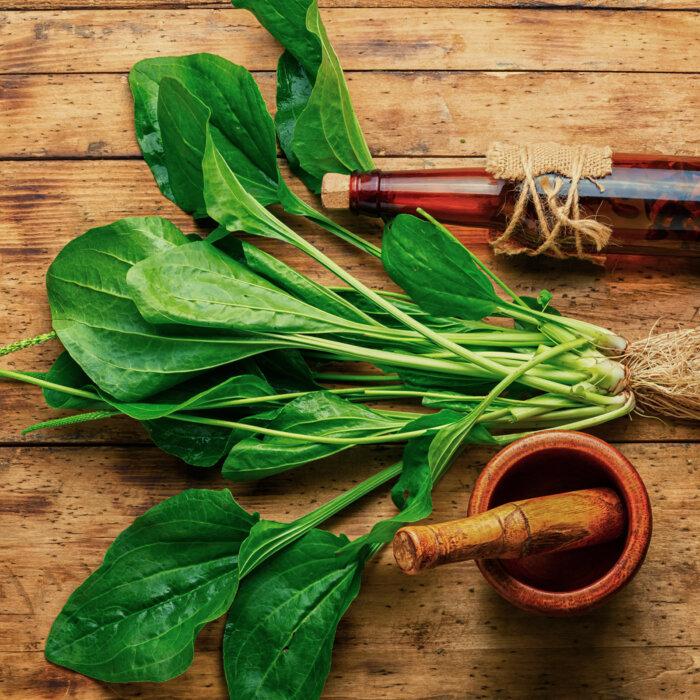
There are two common types of plantain: broadleaf plantain (Plantago major) and ribwort plantain (Plantago lanceolata).
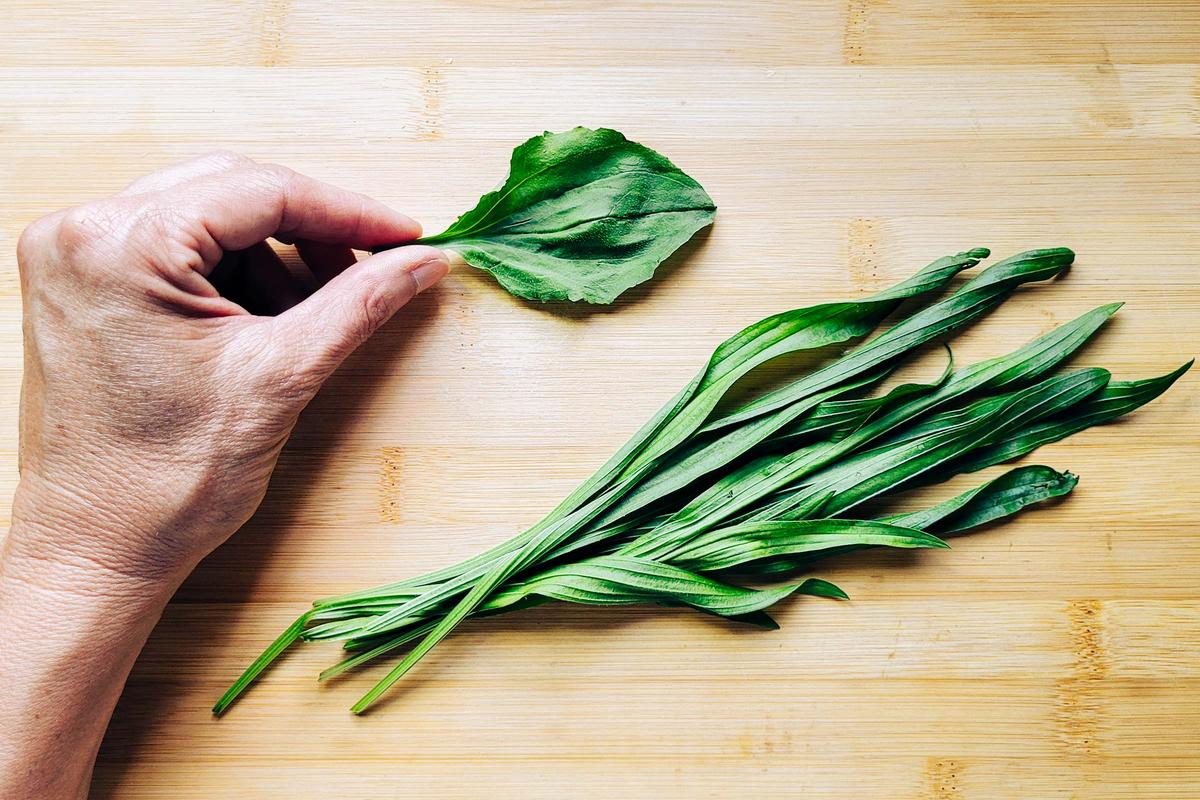
Broadleaf plantain (L), Ribwort plantain (R). Alexandra Roach/The Epoch Times
While both can potentially treat respiratory illnesses, there are subtle differences that set them apart.
Related Stories
Wildcrafting Plantain
While wildcrafting plants can be a rewarding and grounding experience, it requires at least a foundational knowledge of the plants around you. Harvest only if you can confidently identify the plant. Use a regional field guide or consult an experienced herbalist if unsure.
- Plant Identification: Ribwort plantain leaves grow in rosettes and have elongated, oval leaves that are widest near the middle. Their veins run side by side from the base to the tip without forming a web. The leaf surface and its edge are smooth without indentations or hair.
- Gathering Time: Plantain plants continue to grow leaves throughout the season. Pick the youngest leaves and those that look freshest.
- Location: Pick only plants growing in areas you know are free from pesticides and herbicides. Stay away from roadsides, polluted environments, and areas near wildlife or pets.
- Harvesting: Take only what you need and avoid removing the entire plant so it can continue to grow.
How to Make Plantain Cough Syrup
You can make plantain cough syrup with just two simple ingredients, making it the perfect project for budding herbalists and beginner DIY wildcrafters. It’s an easy and rewarding way to harness the power of plants while homecrafting something beneficial for your health without a long list of side effects.
Before making or using this syrup, you may want to speak with your doctor, healthcare professional, or qualified herbalist—especially if you are pregnant, breastfeeding, giving it to a child, managing a medical condition, taking medication, or using it for a persistent or worsening cough.
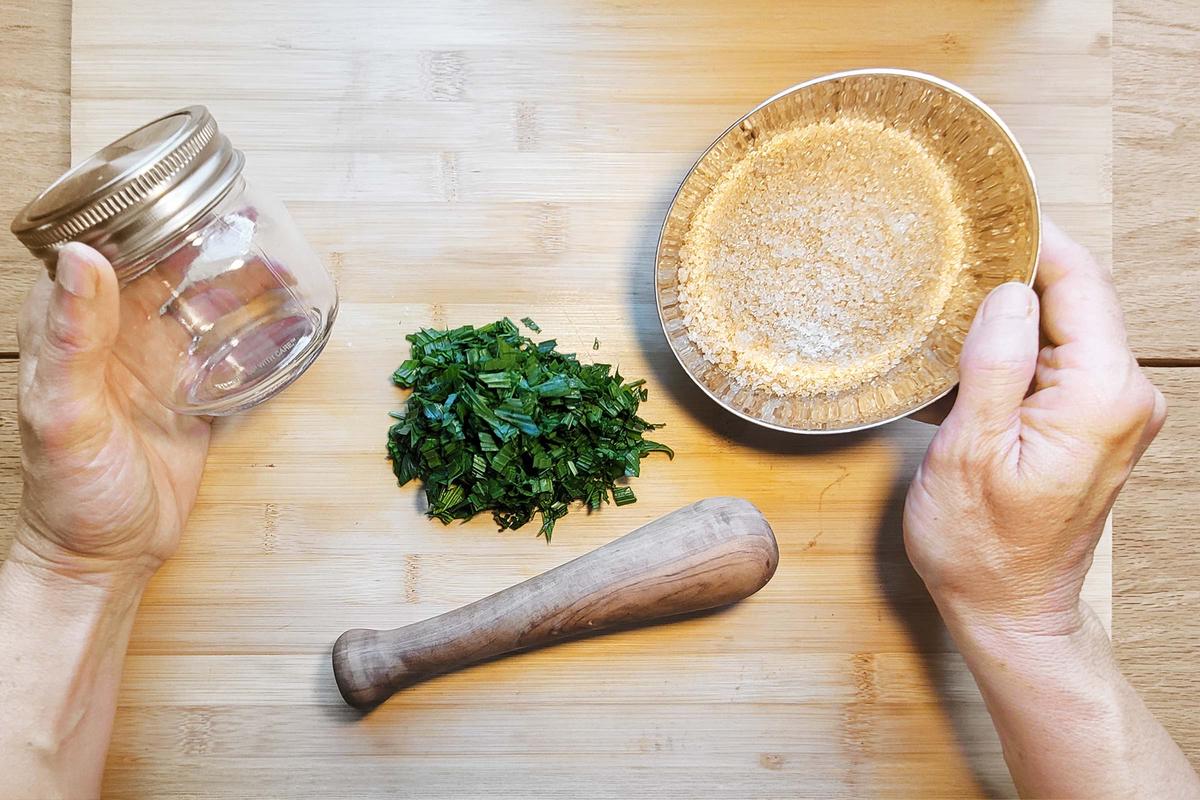
Alexandra Roach/The Epoch Times
- Basket
- Scissors
- Bowl
- Cutting board
- Knife
- Clean, sterilized glass jar
- Pestle
- Fine-mesh sieve
Ingredients
- 1 1/2 to 2 cups cut plantain leaves
- 1 cup raw sugar or turbinado sugar, a minimally processed cane sugar that retains a thin layer of natural molasses and gives the finished syrup its natural dark brown color
Prep Time: 30 minutes
Maceration Time: 8 to 12 weeks
Suggested Dosage: 1 teaspoon, four to six times per day during bouts of cough
Instructions
Step 1: Add the leaves to a fresh bowl of water and wash thoroughly.
Step 2: Shake off excess water, lay the leaves on a cutting board, and cut them into 1/4-inch strips.
Step 3: Add a 1/4-inch layer of sugar to the bottom of a clean glass jar, then add a 1/4-inch layer of cut plantain leaves. Continue layering in this way, pressing down firmly with the pestle after each layer.
Step 4: Add a final layer of sugar to the top, then press the material firmly into the jar, ensuring that no leaves are exposed to air at the top. Close the jar.
Step 5: Set the jar outside in direct sunlight. The sun’s warmth will heat the sugar and draw moisture and plant compounds from the leaves, forming a dark syrup over time. The high sugar content acts as a preservative, as the plantain leaves’ beneficial properties are absorbed into the syrup that will form.
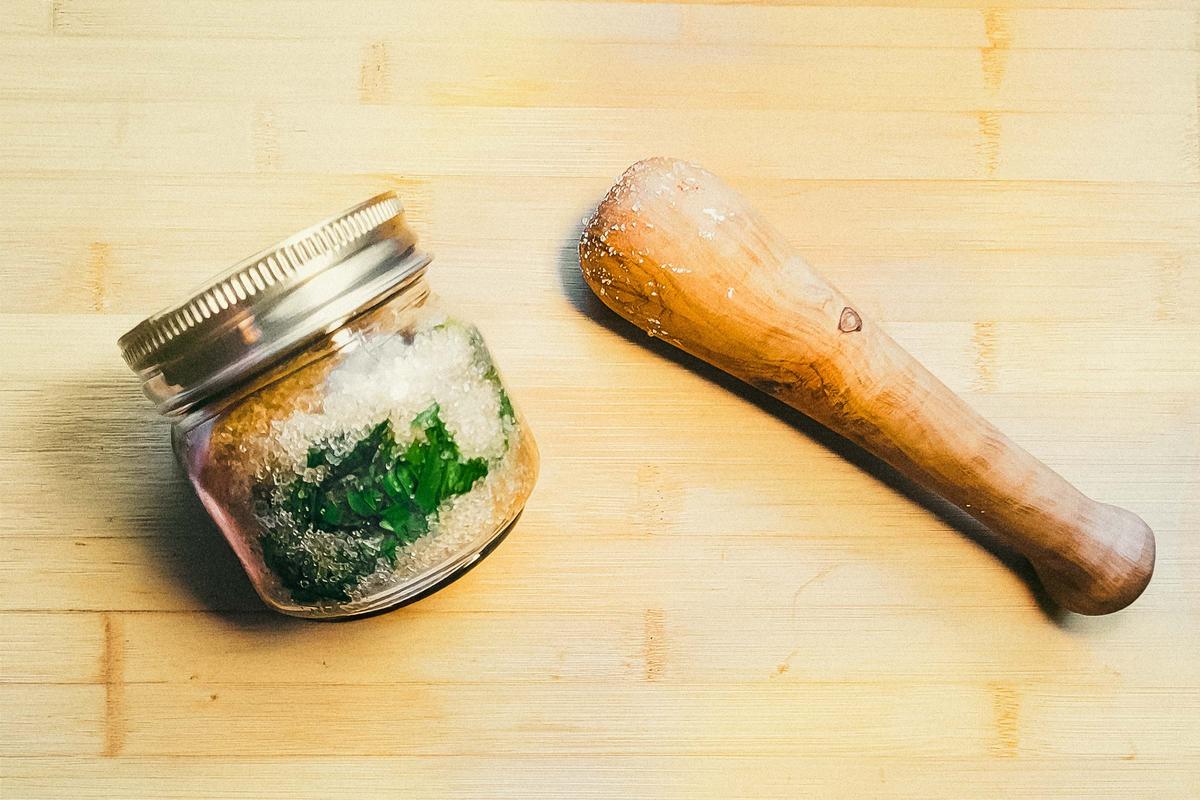
Alexandra Roach/The Epoch Times
Step 6: As summer wraps up, carefully open the jar. Check that no mold has formed and that the syrup has no off odor, bubbling, or signs of fermentation. If anything looks or smells unusual, discard it. Otherwise, stir the rich, brown liquid well.
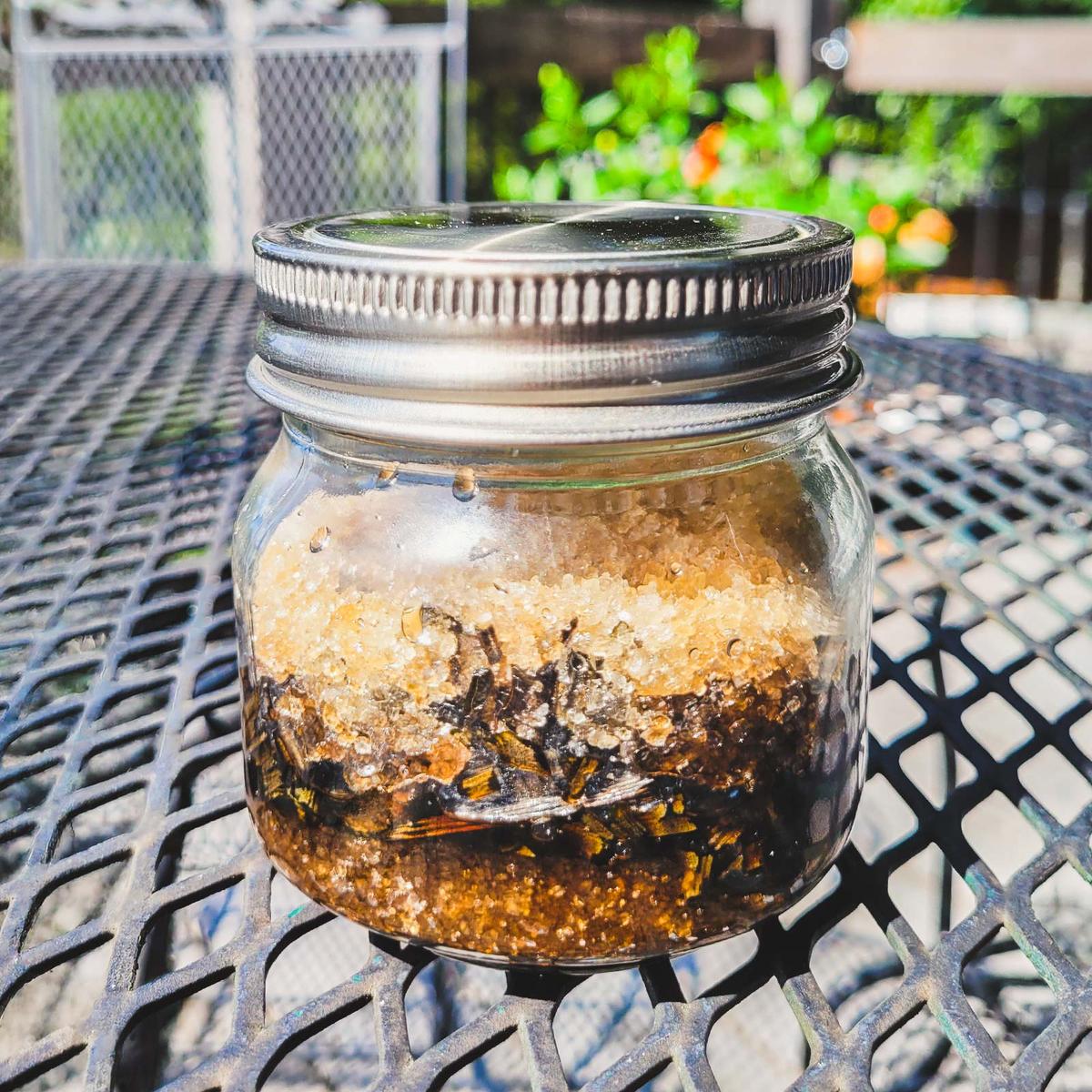
The plantain syrup after a 4-week maceration period. Alexandra Roach/The Epoch Times
Step 7: If the sugar crystals have not completely dissolved, place the cough syrup in a warm water bath for one to two hours. If the syrup is still too thick, add a squeeze of lemon juice or distilled water. If there is undissolved leaf matter, strain the syrup through a fine-mesh sieve.
Step 8: For a longer shelf life of up to one year, boil the syrup for one to two minutes and pour it while hot into sanitized bottles. Label and date the bottles. Without this final heating step, the syrup keeps for several weeks and needs to be refrigerated.
Safety Note
Although ribwort plantain is generally well tolerated, high doses may cause mild stomach upset, nausea, or diarrhea. This homemade syrup is best used for mild, short-term coughs and throat irritation. If a cough becomes severe, lingers, or comes with shortness of breath, fever, thick or discolored mucus, chest pain, coughing up blood, or worsening symptoms—it’s time to seek proper medical care.
Alexandra Roach is an accredited herbalist who shares traditional herbal remedies for home use. Her guidance is educational and should not replace diagnosis or treatment from a licensed healthcare professional.