




In a sign of more pain for mortgage holders, the Reserve Bank of Australia (RBA) has announced it will lift the official interest rate from 4.60 percent to 4.85 percent.
Analysts say the announcement will likely lead to more hip-pocket pain for Australians navigating multiple interest rate rises in the past 12 months.
In a statement, the RBA said inflation was “broadly based,” meaning it impacted a wide array of industries.
“The inflation outlook has also been revised materially higher in the updated staff forecasts,” the RBA said in a statement.
“This partly reflects higher fuel and other commodity prices affected by the conflict in the Middle East.
“But domestic capacity pressures are also judged to have been a little tighter than earlier thought.”
Related Stories

The decision marks the fifth increase for 2026 and takes the cash rate to its highest level since 2008. Raising interest rates is a way of making borrowing more expensive and spending less ideal to try slow inflation.
But for the average mortgage holder with a $600,000 loan, rate rises will mean monthly interest repayments could be about $450 higher compared to February, according to financial comparison site Canstar.
“The forecasts see growth in output slowing further over the coming year, which is expected to reduce capacity pressures and help return inflation to target.”
The move also places Australia’s interest rate among the highest in the developed world, exceeding Japan, Singapore, Canada, China, South Korea, the UK, European Union, United States, and Saudi Arabia. Only Iceland has a higher official interest rate at eight percent.
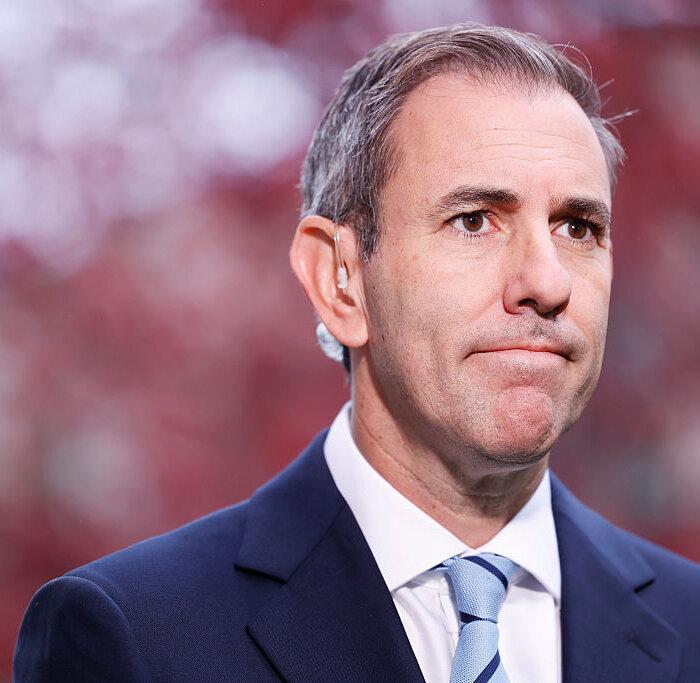
In a media conference, Treasurer Jim Chalmers called the most recent rise “unsurprising,” levelling blame at the Iran War, which has been running for nine months.
“Markets are expecting interest rates rises in every advanced economy,” he said.
“[The war’s] re-escalation is putting sustained upwards pressure on inflation,” he added.
“It’s weighing on growth and its end can’t come soon enough.”
Australians Led to Believe Money Was Cheap: Analyst
Graham Young, executive director at the Australian Institute for Progress, says the increase is an “instalment in a crisis that was both foreseeable and largely avoidable”.
“As far back as February 2023, I warned that Australians should regard higher interest rates as the new normal, and that what looked like a peak might actually be a prolonged plateau,” he told The Epoch Times.
“The Reserve Bank kept rates too low for too long, encouraging households, businesses, and governments to believe cheap money was normal.
“The federal and state governments compounded that mistake by borrowing and spending heavily, competing with private industry for scarce labour, materials and capital. Neither institution adequately prepared Australians for the consequences.”
Young says if borrowers had realised the current rate levels were historically exceptional, they may have been more careful.
“House prices might not have risen so far, and governments might have faced greater pressure to restrain their spending,” he said.
“Instead, Australians are paying the price for unrealistic expectations encouraged by the very institutions responsible for managing the economy.”
Another Rate Rise Before Christmas?
Financial expert Shane Shmuel says AI investment in technology is driving up some prices, which would create jobs, but the overall job market still had challenges.
“We know the banking sector, we’ve just lost 7,000 jobs or so with National Australia Bank and ANZ, but it’s the end consumer that’s going to suffer” he told The Epoch Times.
“So inflation is driven up by investment in the future, but the day-to-day people are suffering.
“They’re going to have to tighten their belts further, cancel things like Christmas, holidays, investment in vehicles, and so forth.”
Shmuel said there was a downturn in the property sector, and people were becoming anxious as house prices dropped, employment tightened, and income to spend dropped.
“What’s the future going to be? Because there’s predictions of even another [rate rise] just this year,” he said.
Inflation is now forecast to remain elevated through much of 2027, according to the RBA.