





Creatine is a gym staple best known for helping build muscle and strength. Now, researchers are asking a different question: Could it also support women’s brain health during menopause?
Studies suggest creatine may affect changes in sleep regularity, reaction time, and brain creatine levels in women in perimenopause and menopause.
Why Menopause Can Cloud Thinking and Disrupt Sleep
Many women experience forgetfulness, difficulty concentrating, and poor sleep during perimenopause, the years when estrogen levels fluctuate and then decline. These cognitive symptoms often ease afterward.
Estrogen helps support memory and concentration by influencing how brain cells communicate and process information, Dr. Robert Thompson, a board-certified family medicine physician, told The Epoch Times. As estrogen levels fluctuate during menopause, some women experience difficulties with focus and memory recall. Hormonal changes can also trigger hot flashes and night sweats, disrupting sleep and making it harder to concentrate, remember information, and think clearly the next day.
Related Stories

Creatine could help support that energy supply. “The brain burns about 20 percent of the body’s energy, and creatine works as a quick backup battery that recharges ATP [adenosine triphosphate] when demand spikes, like when you’re concentrating hard or short on sleep,” Glenn said. ATP is the molecule that supplies energy to cells.
Oral creatine supplements can increase creatine levels in the brain, although only a limited amount crosses the blood-brain barrier. Some human studies have found small increases in brain creatine after supplementation, but researchers are still exploring how much is needed to produce meaningful cognitive benefits.
Could Creatine Improve Brain Fog?
Two recent trials have examined creatine and thinking in menopausal women. Both are small, and their results point in different directions.
Faster reaction times on a computer test don’t necessarily mean a woman “feels sharper, forgets fewer words, or gets through her workday more easily,” Glenn said. He also noted that the increase in brain creatine was unexpected at such a low dose, since previous brain studies have generally used higher amounts, and he would like to see the finding replicated.
Researchers measured this to explore whether creatine could support brain function during mentally demanding tasks. However, the creatine group did not show significantly greater improvements in cognitive performance.
Both studies suggest creatine may affect how the brain functions, but neither proves that it relieves menopause-related brain fog.
Can Creatine Help Women Sleep Better?
In the same study, at the end of the six weeks, the creatine group had sleep consistency scores 7.4 percentage points higher than the placebo group, after accounting for baseline scores.
Sleep consistency measures how regularly someone goes to bed and wakes up, using a WHOOP wristband that tracks sleep patterns. Scores range from zero to 100 percent, with higher scores indicating more consistent sleep schedules.
Regular sleep schedules are associated with better mood, metabolic health, and daytime functioning, Glenn said. However, researchers have not established whether the improvement seen in this study would make women feel more rested. “It’s a promising signal,” he said, but not yet a reason to take creatine specifically for sleep.
Because both supplement groups did strength training, the study shows how creatine compares with a placebo among women who exercise.
The studies so far have been relatively small and lasted only six to eight weeks. Larger, longer studies are needed to determine whether creatine can improve memory, concentration, or sleep in meaningful ways that affect daily life.
What Women Should Know Before Trying Creatine
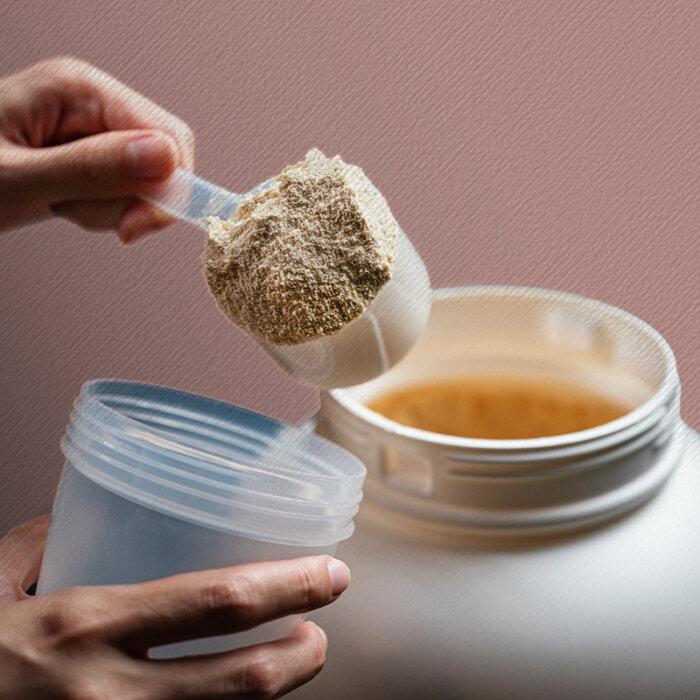
Creatine monohydrate is the most studied form, typically taken at 3 to 5 grams daily. Although one menopause study used creatine hydrochloride, there is no evidence that it offers greater brain benefits than monohydrate, Glenn said.
No dose or formulation has been established for treating menopause symptoms, Thompson said. The 1.5-gram dose in the 2025 trial is lower than the typical monohydrate dose.
Creatine is generally well tolerated by healthy adults, though some may experience digestive discomfort or temporary weight gain from water retention. It can also raise blood creatinine levels, a marker used to assess kidney function, without necessarily indicating kidney damage, so patients should tell their healthcare providers if they’re taking it. Those with kidney disease should always consult with their doctor before supplementing.
Creatine supplements are regulated by the Food and Drug Administration, but they don’t need FDA approval before being sold. Choosing products independently tested by organizations such as NSF Certified for Sport can help ensure quality and accurate labeling.