





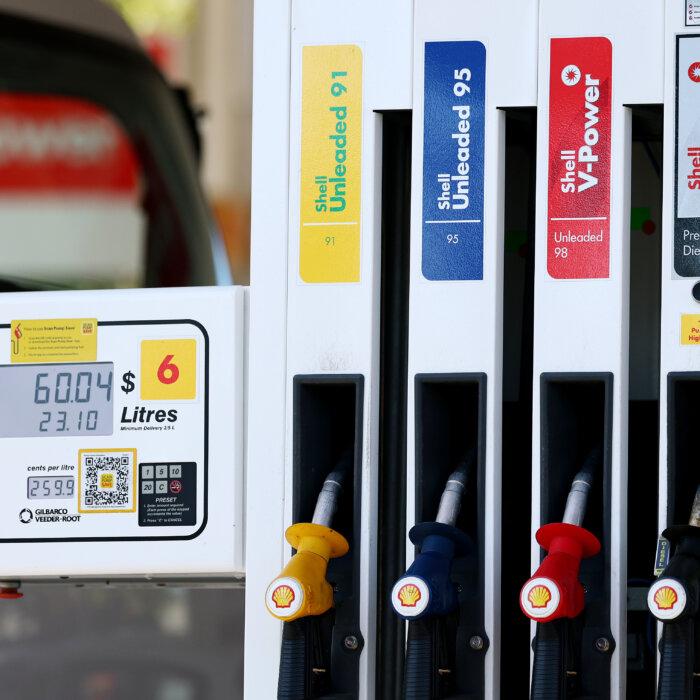
A driver fills up tanks at pumps in a Shell gas station on Parramatta Road in Sydney, Australia on March 10, 2026. George Chan/Getty Images
Fuel excise relief for motorists is unlikely to be extended despite the war in the Middle East flaring up.
The Labor government halved the fuel excise for three months from April in response to rising prices as a result of the U.S.-Israeli war with Iran, saving drivers 32 cents a litre on fuel.
The measure was extended for a further month in July, but at a reduced rate of 16 cents per litre.
The extension is due to lapse on Aug. 2.
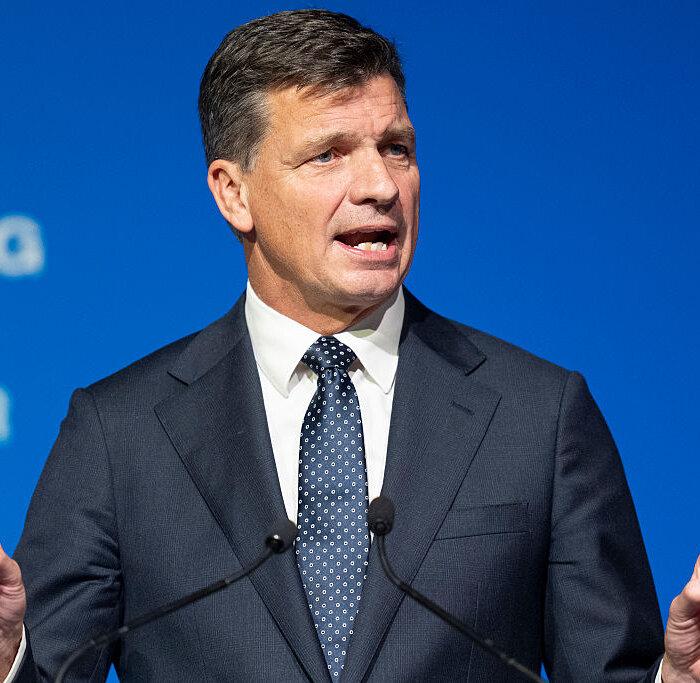
Fresh tensions between the United States and Iran have caused Brent crude oil prices to rise to more than US$100 a barrel, but Prime Minister Anthony Albanese has indicated continued excise relief is not on the cards.
“That’s not in our planning at this point in time,” he told ABC’s Insiders program on Sunday.
Related Stories
“[Fuel] usage has come down and is indeed lower than it was a year ago as well, but importantly as well, we have kept supply going.”
Albanese indicated some fuel-related measures were in the pipeline.
“We’ll have some more announcements about fuel in the coming days and weeks as well,” he said.
“We’ll continue to examine things that were in that process in the budget.”
Drivers have been warned petrol prices could reach more than $2 a litre as the excise discount is wound back.
Average prices for unleaded petrol have climbed to more than $1.80 per litre in all state capitals in recent days, up from about $1.50 at the end of June.
The jump in oil prices comes as Iran-aligned Houthi militants fired on Saudi oil installations on the coast of the Red Sea and Tehran attempted to shut down shipments through the Strait of Hormuz again.
U.S. strikes have recommenced in response to Iranian attacks on vessels travelling through the strait, a key oil transit route.
Albanese said a continuation of the conflict would lead to economic pressure.
“The war is having an impact here in Australia and the longer it goes, the bigger the impact will be,” he said.
“This is a war on the other side of the world.
“We are not protagonists in it, but we are impacted by it and we’ve consistently called for a de-escalation.”
By Andrew Brown