





Smoke rises from a burning truck during what the Houthis say was an attack targeting trucks coming from Saudi territory, at Al-Wadiah border crossing near Al-Wadiah, on the Saudi-Yemen border, in this still image obtained from a handout video released Sept. 7, 2026. Houthi Media Centre/Reuters
Saudi Arabia said Houthi missile and drone attacks struck energy infrastructure and civilian sites in its southern border region near Yemen on Sept. 8, temporarily disrupting operations, sparking fires, and injuring 73 civilians.
The Iran-aligned Houthi terrorist organization claimed responsibility and vowed further attacks. The attacks targeted facilities in Abha, Khamis Mushait, Jazan, and Najran, according to Maj. Gen. Turki al-Maliki, a spokesperson for the Saudi-led coalition fighting in Yemen.
The Red Sea port city of Jazan is home to one of Saudi Arabia’s largest oil refineries, Aramco, which processes 400,000 barrels of crude oil per day.
Al-Maliki described the strikes as a dangerous escalation that targeted the kingdom’s national assets, citizens, and residents.
The attacks sparked fires and temporarily disrupted some energy facilities, the Saudi Energy Ministry said. Authorities were taking steps to maintain operations under contingency plans, it added.
Houthi military spokesperson Brig. Gen. Yahya Saree said the group carried out what he described as a large-scale, specialized military operation using dozens of ballistic missiles and drones. Saree said the attacks were retaliation for 121 Saudi airstrikes over the previous three days against Yemen’s Marib, Al-Bayda, Hodeidah, Taiz, and Al-Jawf provinces.
Related Stories
He said that the Houthis will not hesitate in launching further strikes and that military operations deep inside Saudi Arabia continue.
Conflict Flare-Ups
Saree also said the group launched missiles and drones against military positions in Yemen’s Red Sea port city of al-Makha. Yemen’s internationally recognized government said the Aug. 9 attack on al-Makha killed seven people and wounded 30 others, most of them civilians.
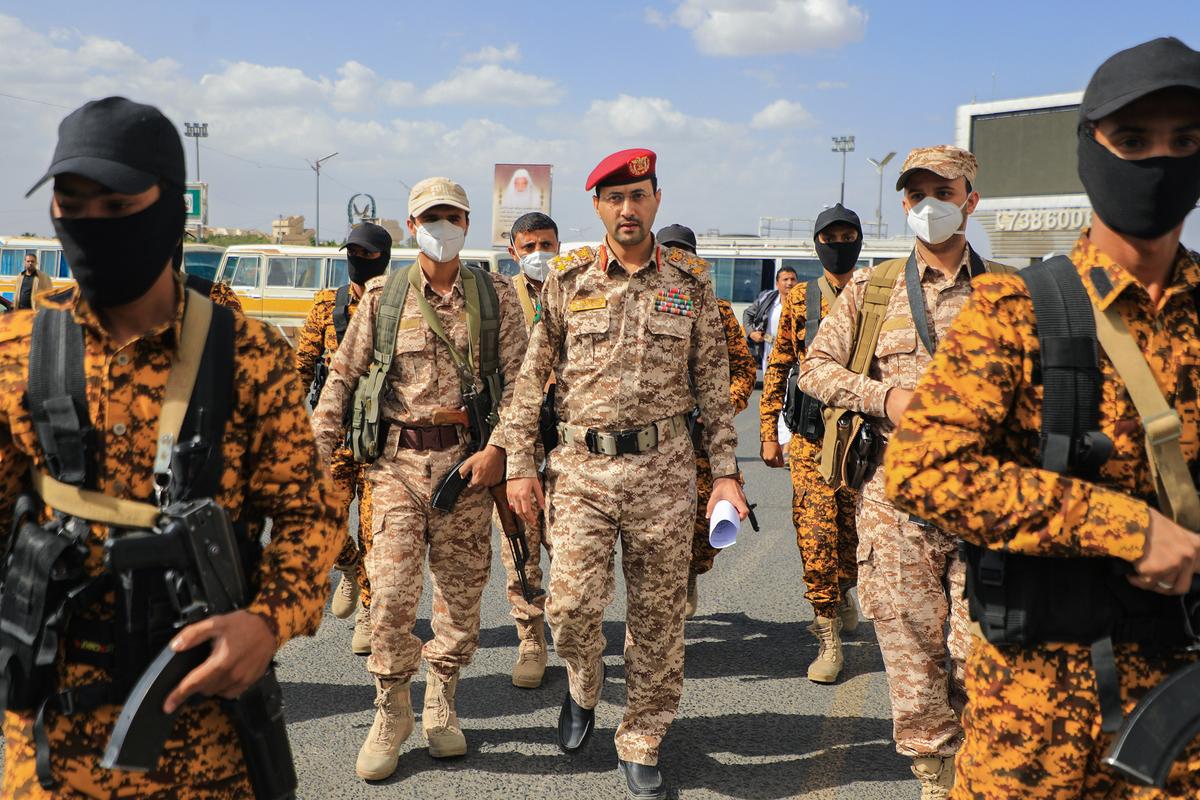
Huthi military spokesman Yahya Saree (C) arrives to deliver a statement during a rally in Sanaa on March 15, 2024. Photo by Mohammed Huwais/AFP via Getty Images
Brent crude futures climbed $1 to $98 a barrel after the Saudi Energy Ministry’s statement, while U.S. crude futures gained more than $2 to $93.65 a barrel.
U.S. President Donald Trump said in a Sept. 8 post on Truth Social that oil prices would “drop precipitously” if the United States wins its war with Iran and predicted gasoline prices would eventually fall below $2 a gallon.

Investors monitor a screen with stock information at the Saudi Stock Exchange (Tadawul) in Riyadh, Saudi Arabia, on Dec. 11, 2019. Ahmed Yosri/Reuters
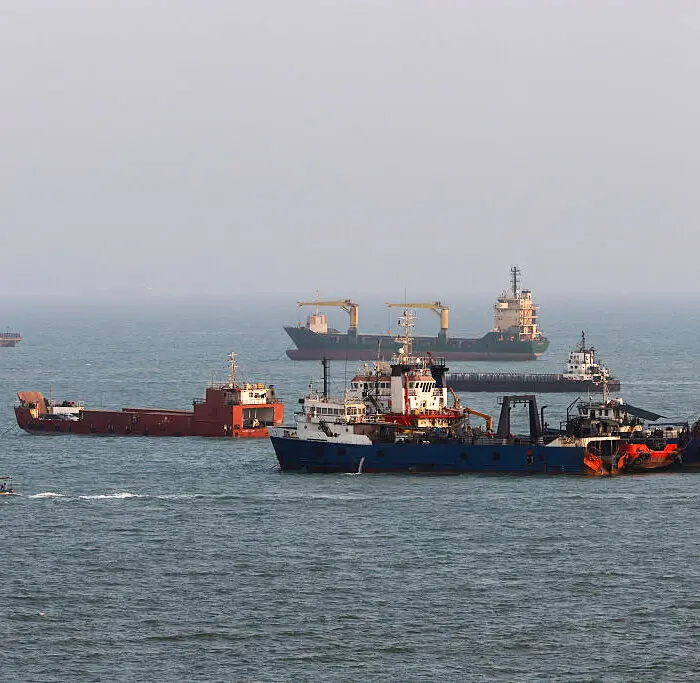
This week, Iranian officials said Tehran would soon announce a new exclusion zone outside the strait, designed to regulate ships approaching the waterway.
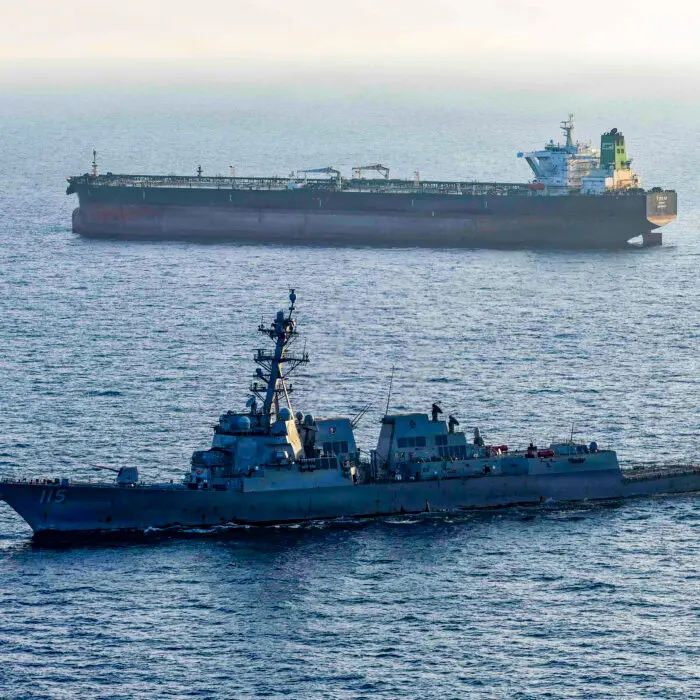
The White House said the Strait of Hormuz remained open and under U.S. control despite Iran’s plans for an exclusion zone. It added that the U.S. Navy had cleared mines from the waterway and that tanker traffic to non-Iranian ports would increase.
Iranian state media IRNA reported on Sept. 8 that acting Defense Minister Brig. Gen. Seyyed Majid Ibn al-Reza said Tehran could target U.S. warships enforcing what he described as economic blockades.
Reuters contributed to this report.