





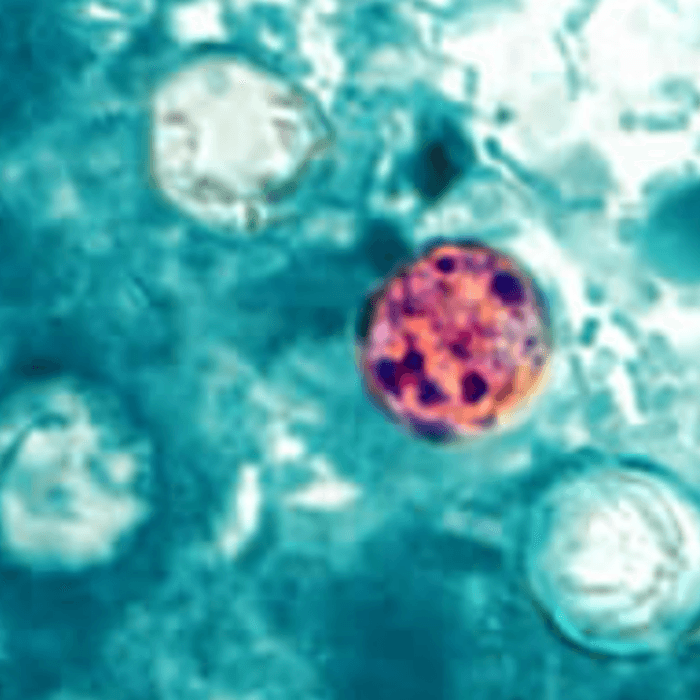
Cyclospora cayetanensis is this summer’s headline, but it’s really just the latest name in a long list of pathogens: Escherichia coli (E. coli), Listeria, and Salmonella. The pathogen changes, but more often than not, lettuce is at the center of the outbreak.
Why Lettuce Is a Frequent Target for Pathogens
Lettuce is the perfect delivery vehicle for pathogens. It’s commonly irrigated with untreated surface water, particularly through overhead spray systems, which can contaminate leaves before harvest. Wildlife, livestock runoff, infected workers, and other environmental sources may also introduce harmful microbes in the field or during processing. Its large, crinkled leaves also provide plenty of places where microorganisms can cling.
Once pathogens are on the leaves, lettuce offers few opportunities to remove or destroy them. Lettuce is usually eaten raw, so cooking doesn’t kill the microorganisms. Its delicate leaves can’t be scrubbed without tearing or bruising, and unlike many fruits and vegetables, it can’t be peeled. If contaminated lettuce is chopped and mixed with other greens, a single head can contaminate an entire batch of packaged lettuce that may be distributed across multiple states.
Lettuce is also the second-most-consumed vegetable in the United States, with Americans eating nearly 33 pounds per person each year. It’s used as a wrap, layered onto sandwiches and burgers, and added to everything from tacos to grain bowls. This popularity, along with widespread distribution, means that even a relatively uncommon contamination event can expose a large number of people.
It’s almost as if lettuce was designed to carry pathogens to your plate. Fortunately, there are several practical steps you can take to reduce your risk without giving up lettuce.
Related Stories

Does Washing or Using a Natural Produce Wash Reduce the Risk?
Washing lettuce under cool running water is recommended to reduce dirt, pesticide residues, and some surface microorganisms. Wash your hands before and after handling produce, and wash all produce, including bananas and packaged salad greens labeled “prewashed” or “ready to eat.” Hands, knives, and other utensils can transfer pathogens. Removing outer leaves, as well as any bruised or damaged leaves, can also help because damaged lettuce leaves may be more susceptible to bacterial invasion.
Tip: A salad spinner can make washing lettuce easier. Place the leaves in the basket, run cool water through the hole while spinning the basket, then spin again to remove excess water before refrigerating or serving.
How to Choose Lettuce That Doesn’t Make You Sick
Choosing where to buy your lettuce matters, too. Buying from local farms, farmers’ markets, or growing your own can limit exposure to widely distributed contaminated batches. However, you may want to ask the grower whether it was irrigated with treated or tested water because local produce is not automatically safer. Safe growing and handling practices remain essential everywhere.
If one variety of lettuce, such as iceberg, is the source of an outbreak, consider choosing a different variety, such as red leaf, green leaf, butterhead (Bibb or Boston), or romaine—or branch out to a different leafy green entirely, such as spinach, arugula, watercress, Swiss chard, beet greens, collard greens, kale, escarole, frisée, radicchio, or mustard greens. Dark leafy greens are more nutrient-dense than iceberg lettuce.
Cooked Greens: A Different Way to Enjoy Them
Lettuce and greens don’t have to be eaten raw. Consider the following cooking methods, which can help bring greens to an internal temperature of at least 158 degrees Fahrenheit:
-
Sauté the greens until fully wilted.
-
Stir-fry the greens.
-
Braise sturdy greens such as romaine and escarole.
-
Chop the greens and stir them into soup or stew during the last five to 10 minutes of cooking.
-
Wilt the greens into a frittata or quiche filling.
-
Fold the greens into a casserole or baked pasta dish.
-
Steam or blanch the greens and use them in a warm grain bowl.
Grilling, such as grilling romaine, is an exception. The outer leaves may char quickly, but the internal temperature is unlikely to become high enough.
Support Your Body’s Natural Defenses
Young children, pregnant women, older people, and those who are immunocompromised are most susceptible to foodborne illness. For a healthy person with a robust immune system, the risk of illness is significantly reduced.
Cyclospora oocysts—the spore-like stage in the parasite’s lifecycle—are particularly resilient and can survive stomach acid, pass into the small intestine, and cause infection. While a healthy immune system may not prevent infection, it can help the body recover.
Staying well hydrated, getting enough rest, and maintaining overall good health can further support recovery.
Don’t Give Up on Lettuce
You don’t have to give up on salads. Lettuce and other fresh fruits, vegetables, and herbs—handled carefully—are still among the healthiest food choices you can make. Consider expanding your choices to include other healthy greens and experimenting with cooking them. Informed choices about what you buy and where you buy it can help you navigate this season with confidence rather than fear.