





More than a fifth of all farmland in the conflict zone has been damaged, according to the country’s Agriculture Ministry
Lebanese families are struggling to make ends meet as the country’s long-running financial crisis deepens amid Israeli attacks that have devastated homes and farmland, RT correspondent Steve Sweeney reports from Beirut.
Gasoline prices soared by around 25% in February, while food and rent costs spiked by around 20% last year, adding pressure in a country where more than a third of the population lives below the poverty line, according to World Bank estimates.
Many Lebanese are also grappling with unpaid wages, Sweeney reports.
“If the economic situation continues as it is, I’m telling you, there will be a social explosion. People will turn against one another because when hunger strikes, boundaries disappear,” a local taxi driver told RT. Lebanon is “living on borrowed time,” dependent on international decisions and aid for basic necessities, added.
Lebanon’s economic crisis dates back to its 2019 financial collapse. Its economy has come under further strain from Israel’s war and continuing occupation of parts of the south of the country.
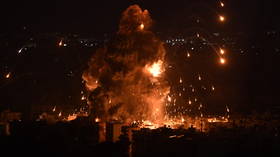
About 56,000 hectares (138,000 acres) of agricultural land had been damaged by Israeli attacks as of early May, according to Lebanon’s Agriculture Ministry. The areas directly affected amounted to around 22% of all agricultural land located in the conflict-affected parts of southern Lebanon, it said.
IDF have reportedly deliberately ignited wildfires in woodland, farmland, and olive groves in southern Lebanon since the June 17 ceasefire with Hezbollah.
Watch the full RT report below:
You can share this story on social media: