





The head of online retail giant Kogan is the latest business owner to criticise the Australian Tax Office’s (ATO) decision to axe credit card payment options.
The ATO’s move comes after the Reserve Bank of Australia’s (RBA) ban on card surcharge fees came into effect from October, forcing businesses and organisations to find ways to absorb the cost of swiping credit or debit cards.
For some small cafe owners who spoke to The Epoch Times that amounts to about an extra $1,000 (US$700) per month in fees—$12,000 a year—while slightly bigger food retailers are looking at an extra $3,000 per month in fees.
The latest move adds another major obligation on business owners who are already grappling with elevated transportation costs for goods, electricity bills, and mandated wage rises.
The RBA has suggested business owners raise prices or offer incentives to discourage card use, and instead, encourage customers to use physical cash.
Related Stories
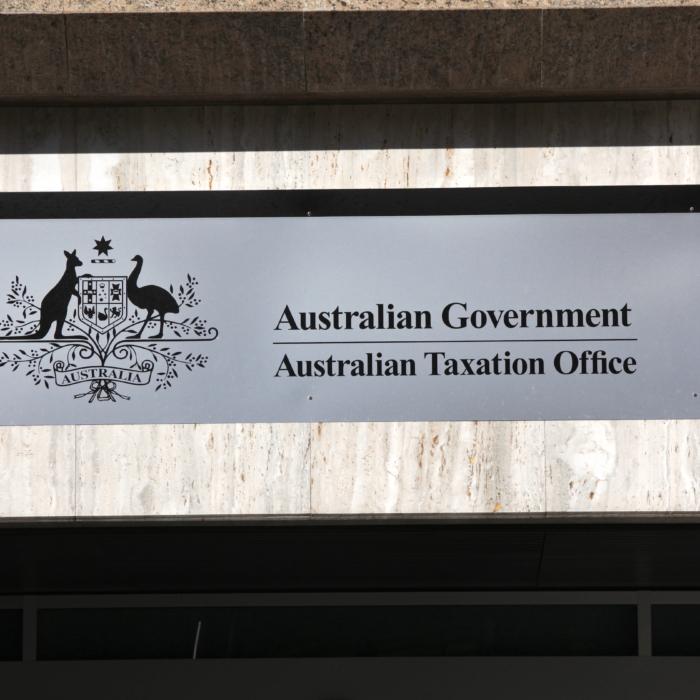

The body said about 2.3 percent of tax payments were made with credit cards in 2024-25 with 60 percent of payments made by private or wealthy groups, and public and multinational businesses.
ATO Commissioner Rob Heferen said the body could not absorb the fees because it would result in “less funding” for all government services.
“Because tax liabilities are legislated, the ATO cannot build card payment costs into prices. With free and lower-cost payment options already used by the majority of taxpayers, the ATO determined it was appropriate to stop accepting credit cards.”
But Kogan founder, Ruslan Kogan, said the ATO was the “highest margin” business in Australia and could absorb the extra cost of card fees.
“[It has] incredible operating leverage as well, because over the last 10 years, the rate at which their collections has grown is 50 percent higher than the rate at which the GDP of Australia has grown,” Kogan said on social media.
“So you’d think that they can spare a few cents here and there for some credit card fees. But no, they chose not to.”
Kogan said the ATO could pursue its current course because it had no competition.
“Unfortunately, and sadly, I am hearing more and more that in the business community, there’s more and more entrepreneurs going, ‘You know what? The signals being sent in Australia are not the right signals for builders, for creators, for innovators, for those wanting to employ people. So I’m going to go and live somewhere else.’”

Ruslan Kogan attends Glamour On The Grid at Albert Park Grand Prix Circuit in Melbourne, Australia, on March 4, 2026. Naomi Rahim/Getty Images
“There is also growing interest in the UAE’s tax environment and residency framework, alongside the opportunity to gain exposure to a market with a large international population and strong cross-border demand,” said group chair Ankur Aggarwal.
The UAE currently charges no personal income tax.
Meanwhile, the Kogan boss said his company would try to give customers more options to deal with the surcharge changes.
“We’re going to search for those 1 percent and efficiencies elsewhere. And more and more institutions and businesses need to do that.”