





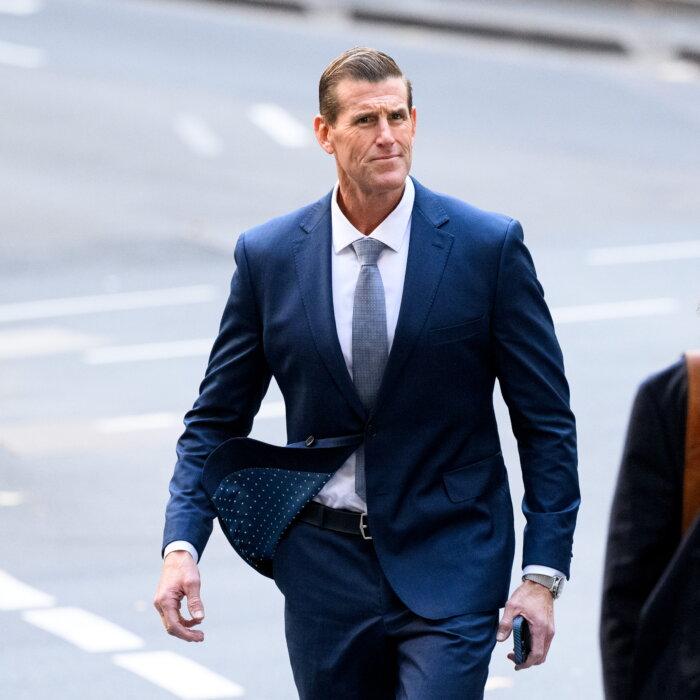
Ben Roberts-Smith attends the ANZAC dawn service in Currumbin, Australia, on April 25, 2026. Chris Hyde/Getty Images
No commissioned officer is being prosecuted over alleged war crimes by Australian special forces in Afghanistan, according to a Senate Estimates hearing on Oct. 29.
“It is true to say that there are no commissioned officers being prosecuted,” said Chief of the Defence Force Admiral Mark Hammond.
This is despite a new inquiry finding serious failures of leadership in the Australian chain of command.
So far, the best-known person charged for alleged war crimes in Afghanistan is Ben Roberts-Smith, the country’s most decorated living soldier.
What the Inquiry Found?
Related Stories
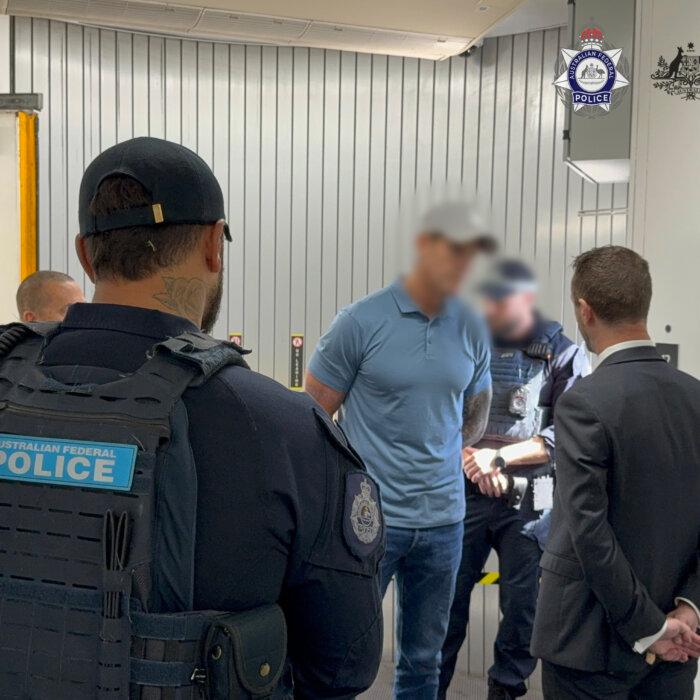
It found “a significant failure of good leadership and effective command” in the Special Air Service Regiment and the headquarters above it, including failures to deal with discipline before and during deployments, which helped create an environment where serious misconduct could occur.
The report found senior officers in headquarters had data that should have raised alarm, including a growing number of enemy deaths, a lack of wounded insurgents, and few Australian casualties. Some commanders were alerted to it and others were not, which the report said “may suggest an abandonment of curiosity.”
It also pointed to the widely known use of “throwdowns”—weapons placed on the bodies of people who had been killed and photographed to make the killings appear justified—and found some legal and intelligence officers may have helped hide misconduct, though it was unclear whether that was deliberate.
The report also found deliberate attempts to hide the facts from higher command, all of which limited how far people could be held accountable.
Shoebridge said serving and former defence force members were asking why only non-commissioned officers were being held to account.
“Headquarters made the decision to continue to send the same people into Afghanistan, and nobody in headquarters has been held accountable,” he said.
He said the gap between how soldiers on the ground and senior officers were treated was “eroding trust.”
Hammond said he accepted the inquiry’s findings and that the behaviour it described was completely unacceptable.
But he said the events predated his time and that his predecessors had acted on the inquiry’s recommendations and referred matters to the government.
Senior Level Accountability an Ongoing Issue
The question of senior-level accountability has surfaced before.
Hammond took on notice whether any commissioned officers had faced consequences and at what rank, and whether anyone had left the defence force over the use of throwdowns.
He said that during his three years as Chief of Navy, eight people had been removed from command for failing to meet the standards expected of them.
“You get what you inspect, not what you expect,” he said.
Secretary of the Department of Defence Meghan Quinn, noting that some legal and intelligence officers would have been public servants, also took questions about them on notice.
Hammond said some of the matters remained under active consideration by the Office of the Special Investigator, which was set up to investigate the alleged war crimes.