





A general view of university students on campus at Monash University in Melbourne, Australia, on March 26, 2025. Asanka Ratnayake/Getty Images
New analysis shows Australian university students are being hit by a “double squeeze” as they struggle to keep up with rising living costs and historically high university fees.
According to Universities Australia, the cost of maintaining a basic student standard of living has increased by 29 percent since the Job-ready Graduates (JRG) package was introduced in 2021. By comparison, economy-wide inflation has increased by 24 percent over the same period.
The peak body also found students are paying 40 percent more in rent than they were five years ago, while grocery costs have increased by 27 percent, utilities by 39 percent and fuel by 43 percent.
Universities Australia said the financial strain has been compounded by the Job-ready Graduates package, introduced by the former Morrison government in 2021, which significantly increased student contributions for some degrees.
Universities Australia CEO Luke Sheehy said the current fee settings continued to leave students with some of the highest university costs in Australia’s history.
“Five years after Job-ready Graduates was introduced, the highest student contributions are around 20 per cent higher. Students in some disciplines are now paying up to $17,399 (US$12,000) a year and more than $52,000 for a three-year degree,” he said.
Related Stories
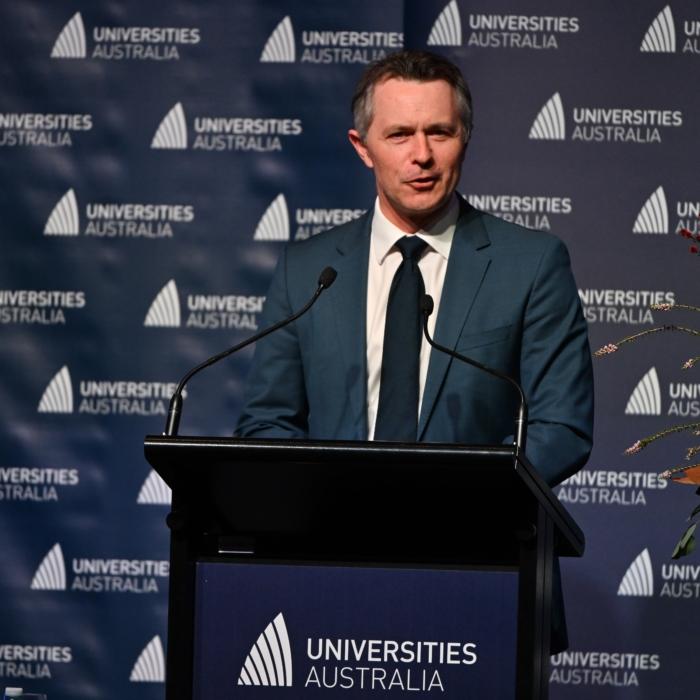
“That’s the double squeeze students are facing. They are paying more to live and more to study, yet they’re still unable to keep pace with the rising cost of living.
Criticism Over Labor’s Student Debt Relief Package
In November 2025, the Labor government announced a $16 billion student debt relief package. The measure was the nation’s largest-ever reduction in student debt, cutting eligible HELP, HECS, and VET loans by 20 percent.
While Universities Australia welcomed those reforms, it said they did not address the underlying issue and argued that abolishing the Job-ready Graduates model would prevent students from accruing large debts in the first place.
Labor’s move, however, had drawn criticism from the Opposition and higher education experts.
Prior to her exit from politics, former Opposition Leader Sussan Ley also questioned the broader use of government spending to ease cost-of-living pressures, saying Australians had become reliant on government intervention and relief packages.
Speaking at the Committee for Economic Development of Australia (CEDA) event in 2025, Ley said the government “cannot, and should not, shield everyone from every cost of living pressure by writing a cheque.”