





A Western Pygmy Possum sits on the thumb of an ecologist. The possum was
captured during a mammal survey at Western River Refuge on Kangaroo Island.
Courtesy of Brad Leue/Australian Wildlife Conservancy
Conservationists have lucked upon an extremely rare capture of a western pygmy possum—a tiny Australian marsupial that grows to around 5-10cm.
The tiny critters, which weigh around 8-20 grams, are nocturnal and largely survive on a diet of nectar and pollen.
The capture, made at Karakmaia Wildlife Sanctuary outside of the Western Australian capital of Perth, is the first of its kind since 1999.
More recently, the elusive possum was incidentally spotted briefly at the sanctuary in 2010, before a brief triggering of a motion sensor camera in 2024 helped confirm the species may still be present.
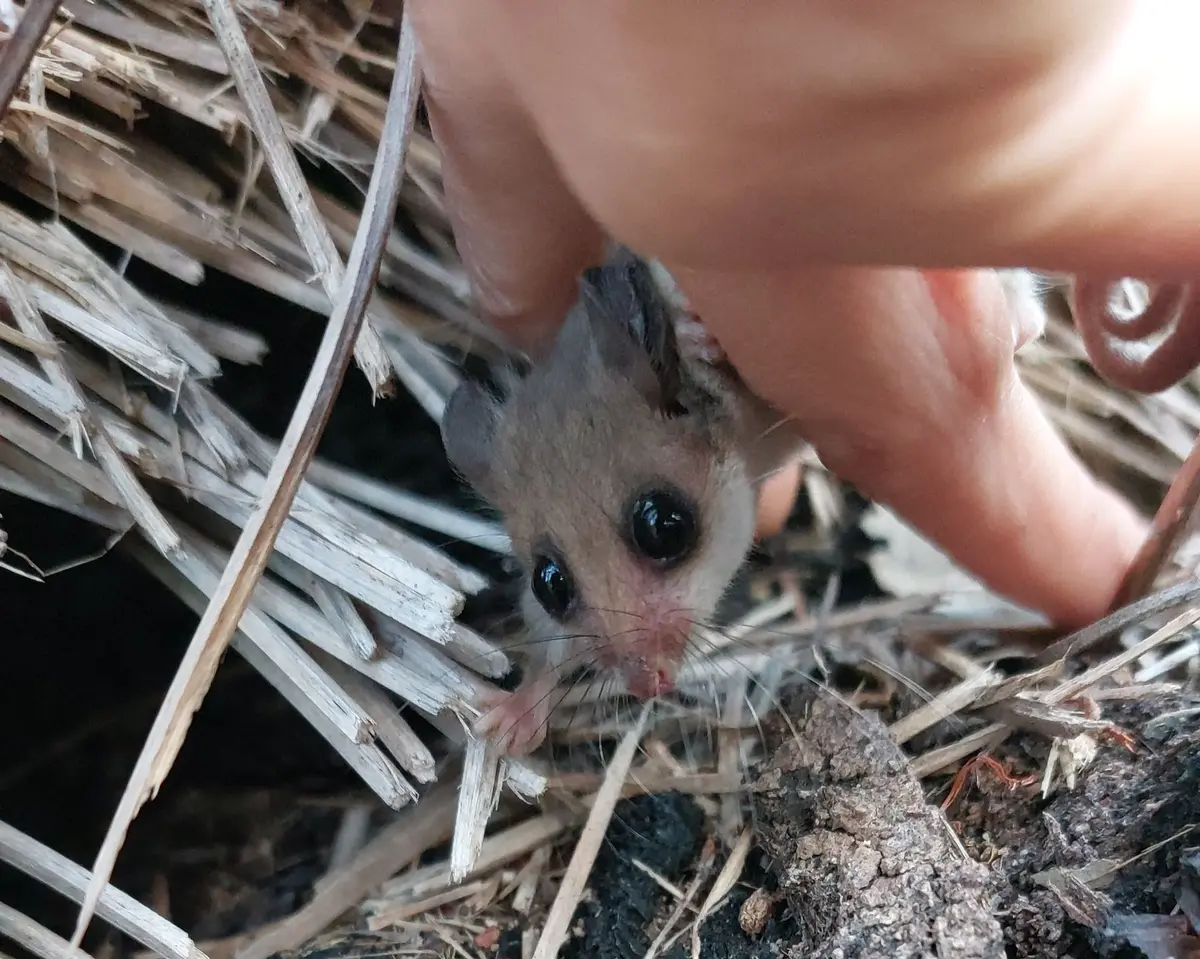
A Western Pygmy Possum is released near a nest at Paruna Wildlife Sanctuary in Western Australia. The individual was captured during a survey at the sanctuary. Courtesy of Bryony Palmer/Australian Wildlife Conservancy
Australian Wildlife Conservancy (AWC) ecologist Dr. Bryony Palmer said three ecologists were checking pitfall traps—a type of in-ground bucket trap to collect small species without harming them.
It was only then they realised they had a special visitor.
Related Stories
“We were so excited,” Palmer said in a statement.
“A western pygmy possum wasn’t what we thought we’d find in one of the traps.
“Skinks, geckos, maybe even a frog or two, but not the possum.”
The visit from the tiny possum came on the 35th anniversary of the formation of the AWC, which was started by founder Martin Copley who purchased around 445 acres of land in the Perth Hills for conservation purposes.
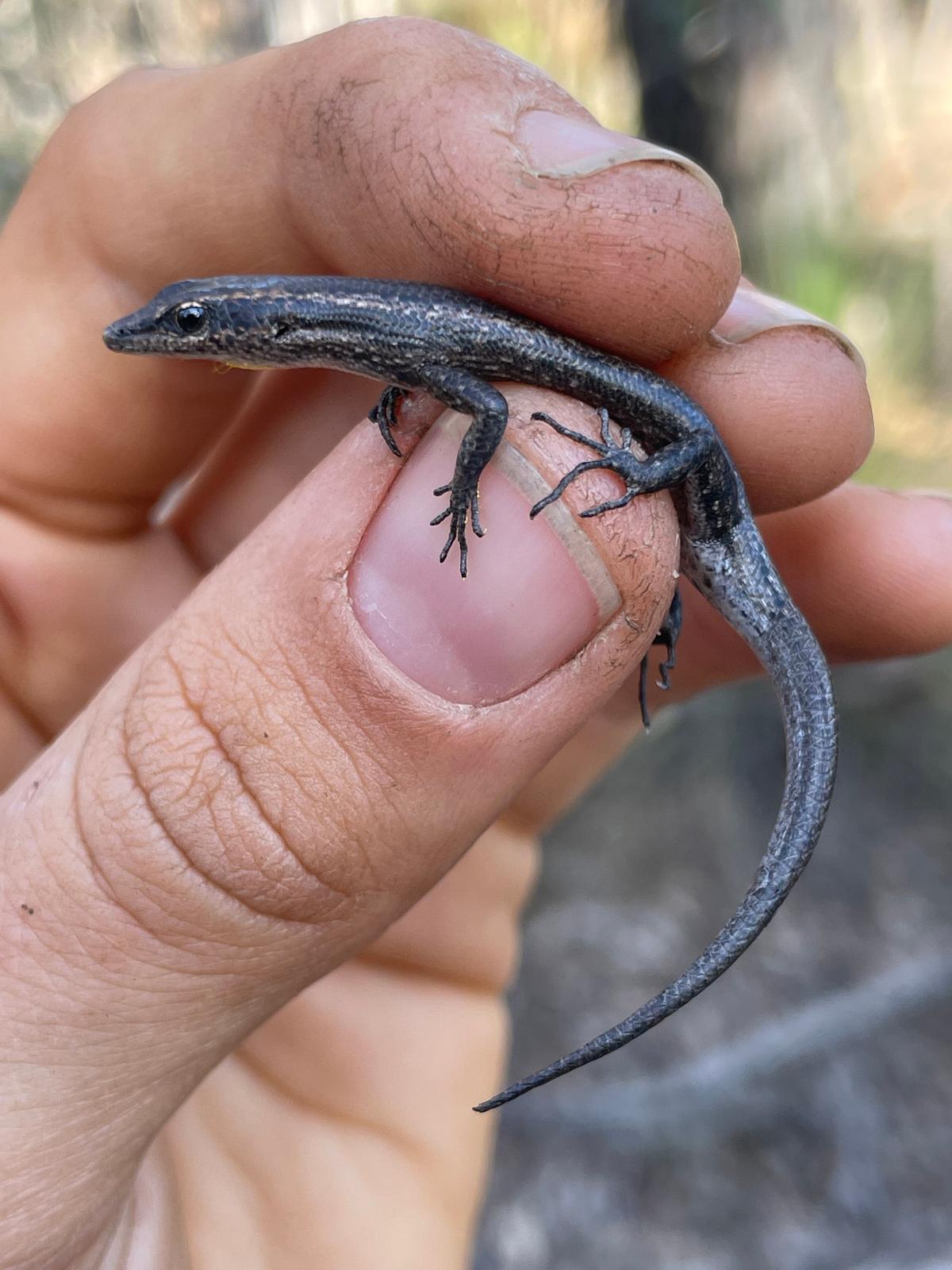
A Southwest Snake-eye Skink captured during a pitfall survey at Karakamia Wildlife Sanctuary which helps Australian Wildlife Conservancy monitor smaller species such as reptiles and frogs. Courtesy of Harriet Harte/Australian Wildlife Conservancy
In 1994, a special type of fencing was also developed to keep predators out of the land, using a special “climb-proof” design, while cats and foxes were removed from within the enclosure.
The land now supports 18 native mammals, 30 reptiles, 10 frogs and 123 birds and the conservation model has been utilised right across Australia.
The safe haven within the sanctuary has also meant once thriving species like the brush-tailed bettong (a small, critically endangered marsupial), the quenda (a small marsupial with a pointy nozzle), the tammar wallaby and the brushtail possum have also made a comeback.
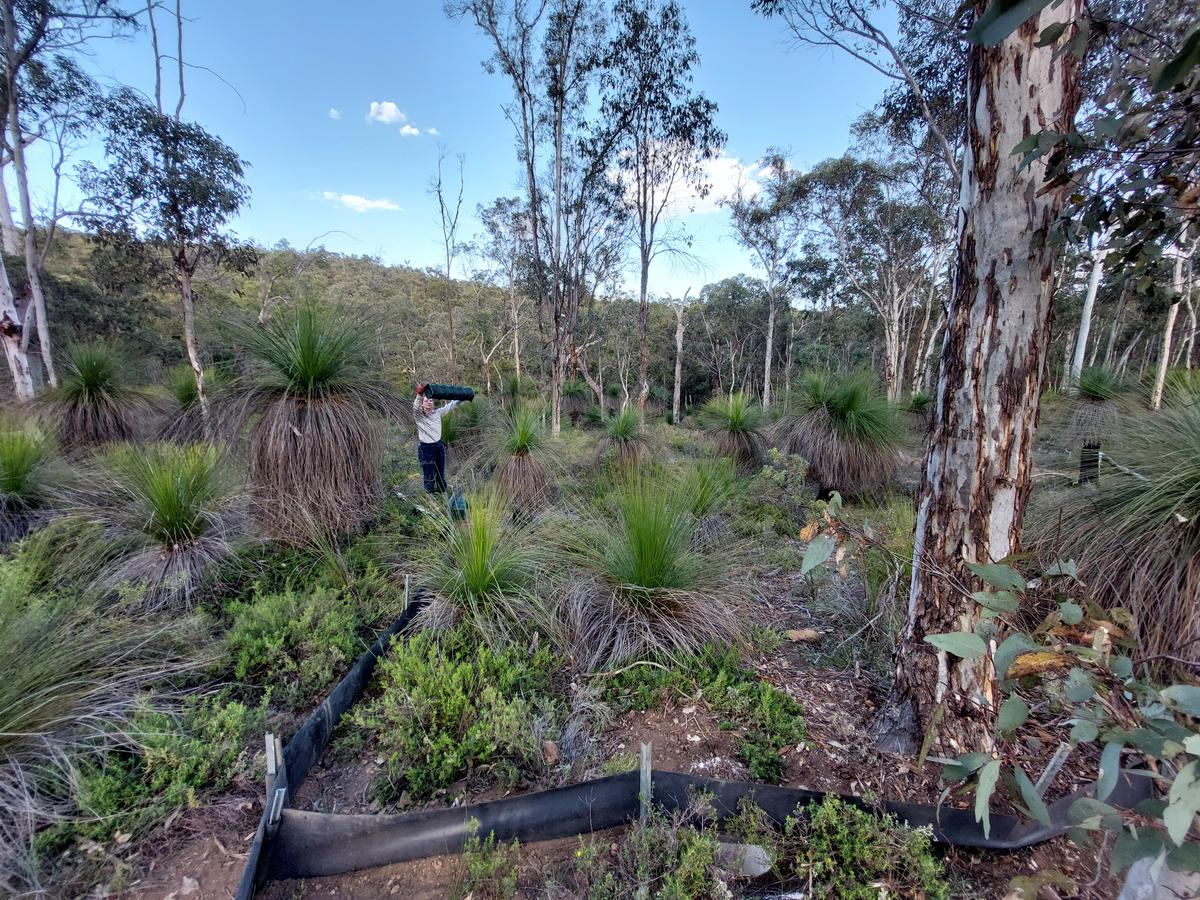
Ecologists check a pitfall trap which was set out to monitor smaller species at Karakamia Wildlife Sanctuary. Courtesy of Bryony Palmer/Australian Wildlife Conservancy
“One of the biggest wins to come out of Karakamia Wildlife Sanctuary over the last 35 years is the greater conservation impact of the four species that we reintroduced,” Bryony said.
“Within the safety of the fenced area, these populations have grown to a point where we’ve been able to translocate individuals and establish new populations elsewhere.”
“It’s really cool seeing these animals rebuild populations in places that they were once lost from.”