





Shoppers select fresh produce at Paddy’s Markets Haymarket in Sydney, Australia on May 3, 2026. Lisa Maree Williams/Getty Images
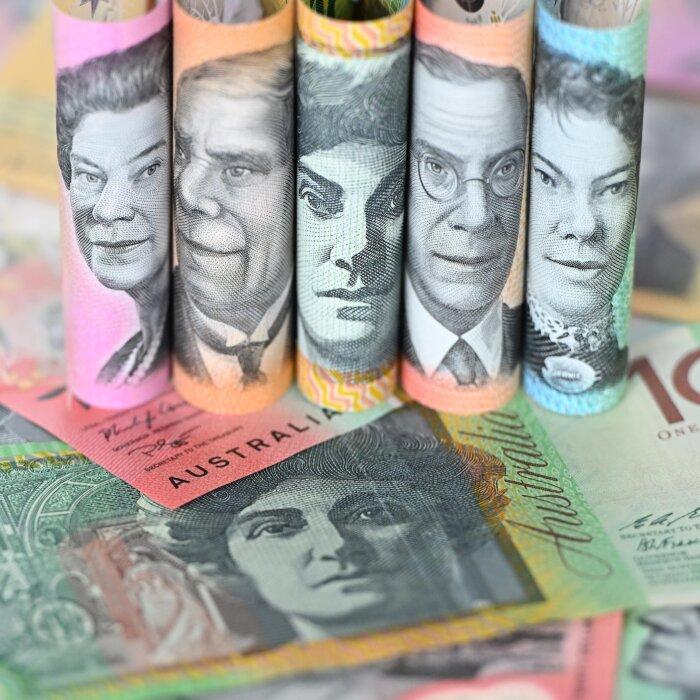
The Reserve Bank of Australia has raised interest rates by 25 basis points to 4.6 percent, citing ongoing inflationary pressures.
In a unanimous decision, the board highlighted the Middle East conflict, energy prices and artificial intelligence as key factors.
“The conflict in the Middle East has broadened and global energy prices are now much higher than had been assumed in the August forecasts,” the board said.
“AI-related demand is driving rapid growth in global prices for technology-related goods. And there remains pressure on domestic capacity.”
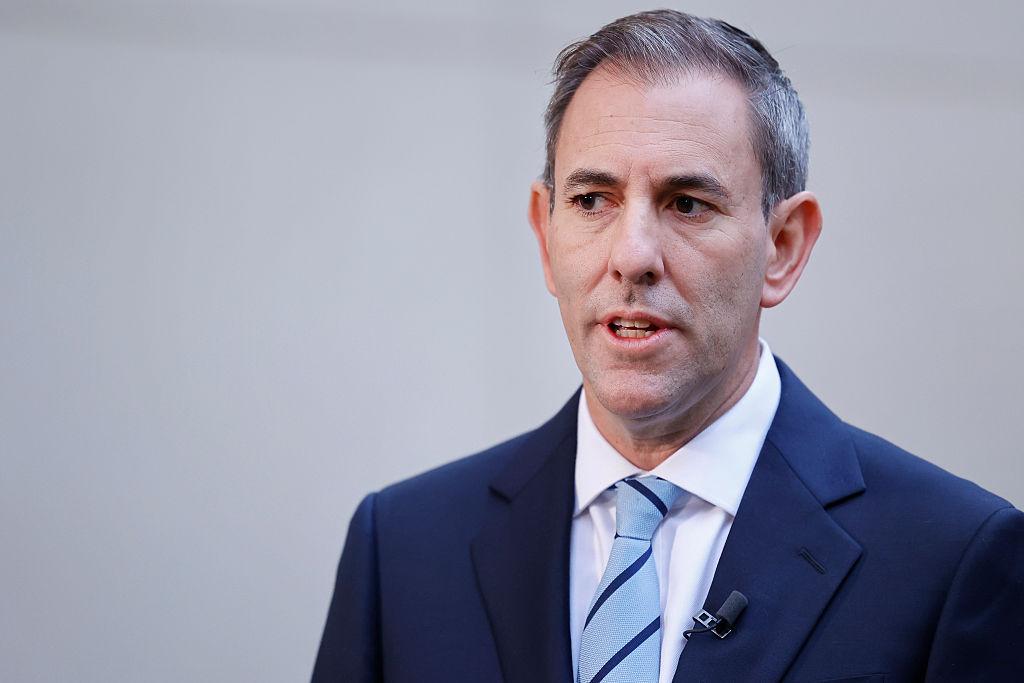
Australian Treasurer Jim Chalmers takes questions from the media in Canberra, Australia at Parliament House on May 13, 2026. Hilary Wardhaugh/Getty Images
Interest rates are at their highest rate since November 2011 when the rate was last at 4.5 percent.
Related Stories
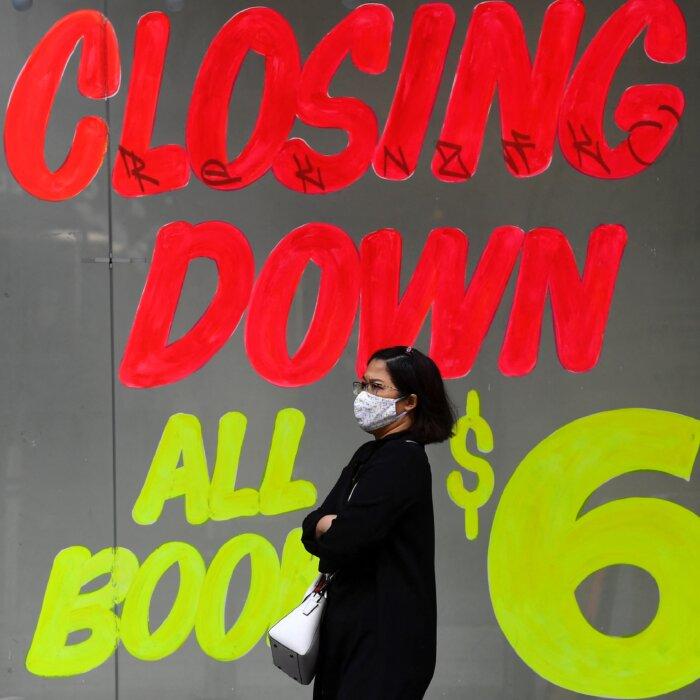
In a post to X, Treasurer Jim Chalmers revealed he had expected the rate rise and acknowledged Australians were struggling.
“We take responsibility for our part of the fight against inflation.”
In further comments, Chalmers blamed the Middle East war for the Reserve Bank of Australia’s decision.
“Australians are paying a very hefty price for that war in the Middle East. And today that price became a bit steeper with this decision from the independent Reserve Bank,” he told reporters on Sept. 29.
A week earlier, TV anchor and finance journalist David Koch released a letter saying consumers were already doing their part to rein in spending, instead he urged the Reserve Bank governor to call out Australian governments for not doing so.
Koch also pointed out that unemployment was at 4.5 percent and consumer sentiment had also dropped.
“So who did the growing? Government, and not by a little. Commonwealth government spending has climbed to 26.8 percent of GDP … the highest level outside the pandemic since 1986. State government spending isn’t helping either,” Koch said.
Meanwhile, conservative-leaning One Nation leader Pauline Hanson said Labor failed to get inflation under control.
“It won’t fix Labor’s mess. But it could give a working family about $82 more a week after tax.”
Meanwhile, Liberal Shadow Treasurer Tim Wilson said the Reserve Bank’s hand was forced by the government.
“It was persistent and high before Iran, so this is because of domestic problems, not because of international factors.”