





Some supplements may help prevent the skin from turning red, but too much sun can still lead to other changes that can pose health risks.
The body uses the skin to supply vitamin D through sun exposure and has natural mechanisms to protect itself from over-exposure. So it is well-adapted to the sun. Still, the skin can accumulate damage if it is exposed to too much sun. A randomized trial found that people taking oral sun-protection supplements needed more ultraviolet (UV) exposure before developing visible redness. However, researchers found no significant reduction in the DNA damage marker they measured.
These supplements seem to offer a kind of protection because the skin won’t turn red as easily, but does that mean you no longer have to worry about overexposure?
Redness Is Not the Same as Damage
Both treatment groups required around 26 percent more UVA exposure than before supplementation to develop visible redness. However, researchers found no significant reduction in thymidine dimers, a marker of UV-related DNA damage, measured in skin biopsies and urine.
Related Stories

Visible redness reflects the skin’s inflammatory response to UV exposure, but DNA damage can occur even without redness. Delaying redness doesn’t necessarily protect against the cellular damage that can contribute to skin cancer.
“This tells us that reducing visible sunburn doesn’t necessarily mean we’re preventing DNA damage,” Dr. Maren C. Locke, a board-certified dermatologist, fellowship-trained Mohs surgeon, and founder of Carlyle Dermatology, told The Epoch Times.
The two main types of UV radiation harm skin in different ways. UVB radiation, which primarily causes sunburn, can directly damage DNA. UVA radiation penetrates deeper into the skin and contributes to premature aging, oxidative stress, and DNA damage. Both increase skin cancer risk.
Sunscreen and clothing block, reflect, or absorb UV rays before they reach the skin. Oral supplements do none of this, Locke said. Instead, Polypodium leucotomos may reduce inflammation and help neutralize some of the harmful molecules UV exposure produces.
The study had several limitations. It involved only 50 participants with lighter skin types, so the results may not apply to everyone. Researchers also measured one specific DNA damage marker rather than every possible form of UV-related damage. The researchers didn’t test the Polypodium leucotomos extract on its own. Participants took Heliocare Advanced, a product that also contained green tea and beta-carotene, which have antioxidant properties.
“Whenever a multi-ingredient product is used in a study, it’s very difficult to ascertain what actually worked,” Lauren Harris-Pincus, a registered dietitian nutritionist, told The Epoch Times. Because the ingredients were given together, researchers couldn’t determine how much of the reduction in redness came from Polypodium leucotomos alone.
What Previous Human Research Shows
B3: The Vitamin With Cancer Data
Unlike other oral sun-protection supplements studied mainly for their effects on redness and UV-related damage, nicotinamide, a form of vitamin B3, has also been tested for its ability to prevent new skin cancers.
Nicotinamide may help skin cells repair UV-related DNA damage by supporting cellular energy production. It may also help counter the weakening of the skin’s immune defenses caused by UV exposure.
“The key difference is what researchers have actually measured,” Locke said. Nicotinamide has been studied for its effects on new skin cancers, whereas Polypodium leucotomos research has largely focused on redness, inflammation and other markers of UV-related damage.
Those findings apply to a specific high-risk population. They don’t show that everyone should take high-dose vitamin B3 to prevent skin cancer. The 2015 trial used 1,000 mg daily, compared with 2,000 mg daily in the 2026 trial, and because the studies measured different outcomes, the doses aren’t interchangeable.
Who Should Consider a Supplement?
Polypodium leucotomos has shown benefits for sun-induced redness in some human trials, but researchers have not concluded that it prevents skin cancer or offers the same protection as sunscreen. Trials use specific formulations and dosing, which may not match what’s on store shelves.
These products may be worth discussing with a dermatologist for people who spend a lot of time outdoors, have sun-sensitive skin conditions, or have pigmentation concerns such as melasma, a skin condition that causes dark patches of discoloration, often on the face, Locke said. She recommends medical guidance for those with a history of skin cancer, photosensitivity, or who are taking medications that increase sensitivity to sunlight.
Pregnant or breastfeeding women and children should also consult a healthcare professional because safety data is limited for these groups.
Foods for the Skin
Researchers are also studying foods rich in carotenoids and polyphenols for their effects on UV-related skin damage. Harris-Pincus describes their protective effects as “measurable but small” and insufficient to protect against prolonged sun exposure.
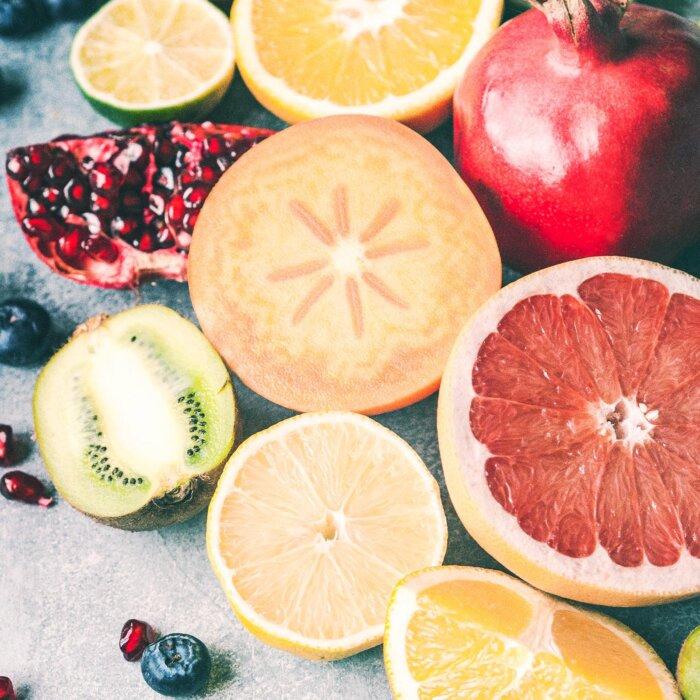
She recommends a Mediterranean-style diet rich in carotenoids and polyphenols, plant compounds that may help protect skin cells from oxidative stress. Cooked tomatoes and watermelon provide lycopene, a carotenoid studied for its potential to reduce UV-related skin damage. Other sources include carrots, sweet potatoes, and dark leafy greens, along with vitamin C-rich citrus fruits and nuts and seeds that provide vitamin E.
“Whole foods contain a matrix of compounds such as carotenoids, polyphenols, vitamins C and E, and fiber,” Harris-Pincus said, which can support the skin’s natural defenses.
Although some studies show these nutrients provide some sun protection, they may not replace other, better-studied forms of sun protection.
The Takeaway
Photoprotective supplements are an emerging area of research, but less redness isn’t the same as less damage, and they don’t prevent skin cancer. Sun protection, including sunscreen, protective clothing, and shade, remains the most effective option for those who need it. Some sunscreen ingredients require further safety research. Mineral sunscreens containing zinc oxide or titanium dioxide have the strongest established safety record.
People don’t have to avoid the outdoors to protect their skin, Locke said. Spending time outside supports physical activity and overall well-being. Sunlight is also a source of vitamin D—which we can also get from food and supplements.
“The goal isn’t to avoid the outdoors, but to enjoy [it] while protecting our skin,” Locke said.