





The DF-61 intercontinental ballistic missile is seen during a military parade marking the 80th anniversary of victory over Japan and the end of World War II, in Beijing’s Tiananmen Square on Sept. 3, 2025. Greg Baker / AFP via Getty Images
The Chinese Communist Party’s (CCP) firing of an intercontinental ballistic missile across a wide expanse of the Pacific region has drawn condemnation from governments in the region.
The missile travelled about 6,300 kilometres (3,914.6 miles), passing over the Philippines and the economic exclusion zones of several countries, before landing south-east of the small Pacific island of Nauru.
The event took place just hours after Australia signed a defence deal with Fiji, with both nations pledging to combat “common dangers” in the region.
US Says Missile Test Undermines Nuclear Non-Proliferation
U.S. State Department spokesperson Tommy Pigott said Washington had monitored the missile test and accused Beijing of moving in the opposite direction of global non-proliferation efforts.
“At a time when the United States is working harder than ever to prevent nuclear proliferation, China is doing the opposite,” he said in a statement.
Related Stories
“Beijing’s rapid and opaque nuclear weapons buildup is of great concern to the region and the world.”
Japanese Chief Cabinet Secretary Minoru Kihara voiced his concerns at a press conference on the day the test was carried out.
“We are concerned [over the missile launch] in light of security of our nation and the region,” he told local reporters.
“We will fully engage in surveillance activities and closely monitor related developments.
“China’s military activities, including a lack of transparency, have become a matter of serious concern to Japan and the international community.”
Move Could Spur Faster Adoption of Pacific-Wide Security Pact
During a Pacific region tour, Australian Prime Minister Anthony Albanese said the test was a “provocative act” that destabilised the region.
“We don’t want to see any action that is destabilising or which undermines the peace, security and stability of the Pacific and the region,” he told reporters in a joint press conference with Solomon Islands Prime Minister Matthew Wale.
“In many ways, the missile test is further evidence for the need for regional platform so that the region can speak as one,” he said.
Australian Defence Minister Richard Marles said Australia’s concern extended beyond the missile’s landing location to the capability it demonstrated.
“It’s less about the precise point as it is about the capability,” Marles said.
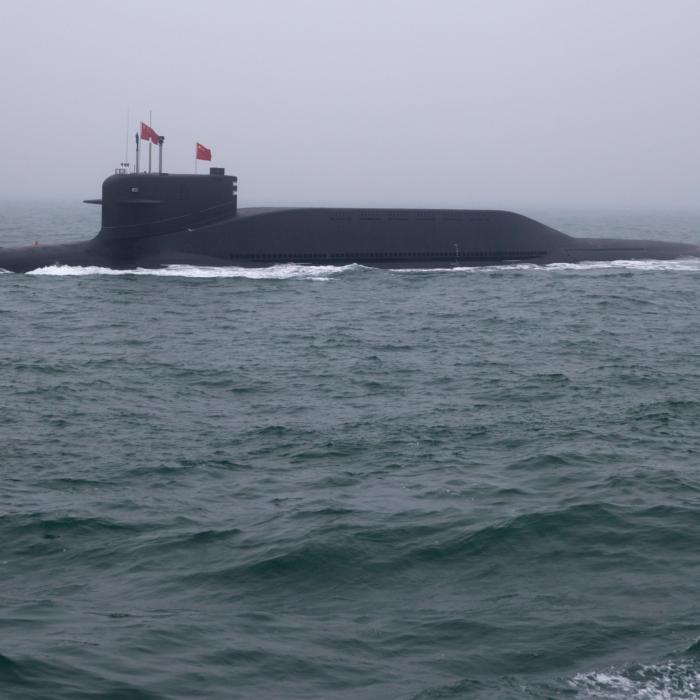
“This is a very significant capability in terms of the range that’s been demonstrated and the means by which it’s been launched, from a submarine, and what it can carry.”
New Zealand also issued a strong response, with Foreign Minister Winston Peters describing the launch as “an unwelcome and concerning development.”
“We, like our neighbours in other Pacific countries, have no interest in China using the South Pacific as a testing site for missile capability,” he said.
Beijing Defends Launch, Urges Nations to Not ‘Over-interpret’
Meanwhile, Beijing rejected criticism from Australia, the United States and other nations, insisting the launch was a routine military exercise that complied with international law and was not directed against any country.
Chinese Foreign Ministry spokesperson Mao Ning said the launch was carried out “safely, in a standardised and professional manner throughout,” according to Reuters.
She also urged other governments not to “overinterpret” the test and said affected countries had been notified in advance.