





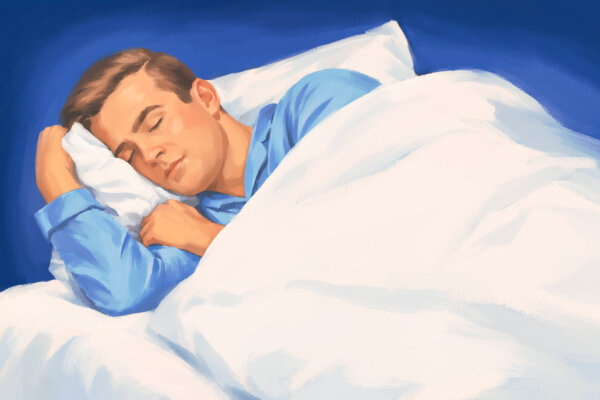
In Greek mythology, Zeus could be overcome by sleep. Perhaps the ancient Greeks understood something we are only beginning to fully appreciate: sleep is not merely rest. It is a force our bodies cannot simply command away and one of the fundamental processes that make life possible.
Modern research reveals just how deep this connection runs. During sleep, your body repairs and restores itself across multiple organ systems.
Sleep is a natural state of rest that alternates with wakefulness. Two biological processes work together to regulate when you feel alert and when you need to sleep: the circadian rhythm and sleep homeostasis.
When we fall asleep, we first enter non-REM sleep, eventually reaching deep, restorative sleep. Then it progresses to REM sleep, characterized by heightened brain activity, rapid eye movements, and vivid dreams. Each night, we pass through four to five cycles of non-REM and REM sleep, with deep sleep being the most abundant early at night, and REM sleep in the morning. During REM sleep, most voluntary muscles are temporarily paralyzed, helping prevent us from physically acting out our dreams.
During sleep, your body carries out a remarkable range of restorative processes.
1. Heart
The parasympathetic nervous system, which governs rest, becomes more active during non-REM sleep. Heart rate, blood pressure, and the sympathetic nervous system all drop, easing the workload on your heart and blood vessels.
Stress hormones fall too: cortisol reaches its lowest level early at night, and adrenaline also declines.
2. Brain
The brain produces cerebrospinal fluid daily. During deep sleep, the spaces between brain cells widen, which allows the fluid to flow more freely and flush out waste that builds up during the day, including amyloid-beta and tau proteins linked to Alzheimer’s disease.
On the other hand, during REM sleep, the brain processes emotions and connects seemingly unrelated ideas in new ways. This may help explain how innovative ideas and emotional breakthroughs can happen when you “sleep things over.”
3. Blood Sugar and Weight
4. Immune System
With good-quality sleep, your body can better defend against infections and recover from illness.
5. Muscles and Bones
Deep sleep stimulates the release of growth hormone, which supports muscle growth, bone health, and tissue repair.
6. Liver
7. Eyes
Healthy sleep depends not only on sleep duration and timing, but also on its alignment with the circadian rhythm. Most adults should regularly get at least seven hours of sleep per night. Children generally need nine to 12 hours, while teenagers need eight to 10 hours because their brains are still developing.
People have different natural sleep preferences, called chronotypes. For example, morning types, often called “larks,” tend to wake early and feel most alert in the first half of the day, while evening types, or “night owls,” naturally prefer later bedtimes and feel more productive later in the day. Chronotype is influenced by genetics, age, light exposure, and daily routines.
The good news is that your internal clock can be adjusted. Morning light, consistent sleep and wake times, and reduced light exposure in the evening all help.
Some people wonder whether they can function well on very little sleep. For most people, experts say no. “Sleep is a biological requirement, just like breathing. And you cannot outrun the effects of insufficient sleep,” Joseph Dzierzewski, a licensed clinical health psychologist and senior vice president of research and scientific affairs at the National Sleep Foundation, told The Epoch Times. “Interestingly, when we haven’t gotten enough sleep, we become poor judges of our own functioning, which might be one of the reasons people think they can function fine on very low levels of sleep.”
9 p.m. to 11 p.m.: Wind down and prepare for sleep. This period corresponds to the Triple Burner—an energetic system traditionally believed to help adjust mood and the autonomic nervous system, which controls involuntary functions such as heart rate and digestion, and shift the body from excitement to relaxation.
11 p.m. to 3 a.m.: Rest and restoration. In TCM, this period corresponds first to the gallbladder (11 p.m. to 1 a.m.) and then the liver (1 a.m. to 3 a.m.). These hours are traditionally associated with metabolism, detox, and repair.
Why don’t you sleep well? Sleep is different for everyone. Some people are more sensitive and can’t fall asleep if they drink coffee after 2 p.m., sleep with the lights on, stay in a room that is too hot, or even sleep in a bed they are not used to.
Anxiety about not sleeping well can then worsen the problem. (But stress, poor sleep habits, and chronic diseases can all lead to sleep problems.)
However, even if you are a sensitive sleeper, one of the methods below may help you sleep better.
Many sleep problems improve with lifestyle changes. Persistent sleep problems such as long-term persistent insomnia, loud snoring, breathing pauses, or an uncomfortable nighttime urge to move the legs may indicate an underlying sleep disorder. These symptoms warrant medical evaluation and treatment rather than relying solely on sleep aids or lifestyle changes.
1. Lifestyle Strategies
Although simple, these strategies can be surprisingly effective for some people.
Sleep Ritual: A sleep ritual can start from the morning—get morning sunlight after waking. Morning light helps set your internal clock so that your body releases melatonin at the appropriate time in the evening. Consider avoiding coffee after noon and heavy meals in the evening.
Set a consistent bedtime and, as it approaches, begin a relaxing, screen-free ritual, whether that’s dimming the lights, taking a warm bath, or reading a physical book. Choose whatever calms you and puts you in the mood for sleep.
When it’s time for sleep, keep your room at a comfortable, cool temperature, with the level of darkness and quiet you prefer.
Remember, set boundaries for your bedroom—reserve it primarily for sleep and keep addictive activities such as scrolling in another room.
-
Temperature: Keeping your bedroom comfortably cool may improve sleep quality. A 2025 study found that a cooling mattress topper increased deep sleep in younger adults at a room temperature of 22 degrees Celsius (about 72 degrees Fahrenheit). At 32 degrees Celsius (about 90 degrees Fahrenheit), heat exposure reduced total sleep time and REM sleep. The general recommendation is to keep the room temperature around 20 to 25 degrees Celsius (68 to 77 degrees Fahrenheit).
Wearing socks to bed can also help some people sleep faster, as it lowers body temperature, signaling your body that it’s time to sleep. -
Bedtime Exercises: Examples include six tension-relieving bedtime exercises (videos) and six stretches (videos) that may improve sleep quality.
-
Leg-Binding Sleep Therapy: A traditional practice attributed to Japanese osteopath and judo therapist Kimiyoshi Isogai, involves gently binding the legs together during sleep. Proponents describe it as a way to align the lower limbs and promote circulation and bodily balance, drawing on concepts from TCM.
-
Diet: A diet rich in fruits, vegetables, and whole grains may support better sleep by providing nutrients, fiber, antioxidants, and compounds involved in melatonin production and blood sugar regulation. Some studies suggest potential benefits from kiwi, tomatoes, and tart cherry juice, which have been associated with improved sleep quality, although more research is needed. Certain carbohydrate-rich foods may also support healthy sleep by influencing hormones and neurotransmitters involved in the sleep-wake cycle.
-
Diaphragmatic Breathing: Slow belly breathing may improve sleep by increasing parasympathetic activity and promoting relaxation. A 2021 study found that four weeks of practice improved sleep quality and duration while reducing nighttime disturbances and daytime impairment. The technique involves breathing slowly and engaging the diaphragm to draw air deeper into the lungs and promote relaxation.
-
Sleep Sounds: White noise, pink noise, brown noise, gentle rainfall, ocean waves, and relaxing instrumental music are popular sleep aids. These sounds may help mask distracting background noises, reduce stress, and create a calming bedtime environment. However, their effectiveness varies among people, and scientific evidence supporting specific sounds remains limited.
2. Natural Sleep Aids
Some natural foods and supplements have the effect of improving sleep.
-
Tart Cherry Juice: A small 2010 study found that tart cherry juice may modestly improve sleep in older adults with insomnia, with effects comparable to those reported for natural sleep aids such as melatonin and valerian.
-
Melatonin: Melatonin supplements are commonly used as a natural sleep aid to help regulate sleep timing and make it easier to fall asleep. Melatonin use in children can cause side effects such as daytime sleepiness, dizziness, nightmares, agitation, and low blood pressure, while the long-term effects remain unclear, including possible effects on puberty.
-
Magnesium: Often called the “calm mineral,” magnesium may support better sleep by promoting nervous system relaxation and healthy sleep patterns. Some research suggests magnesium may also support brain health, nerve-cell communication, and emotional well-being.
-
Passion Flower, Lavender, and Chamomile: Passionflower helps calm and relax the body, which reduces tension and anxiety and promotes restful and relaxing sleep. Meanwhile, lavender soothes the nervous system, eases stress, and relaxes the body. Chamomile tea can also improve sleep.
-
Ashwagandha Root Extract: A 2022 study reported improvements in sleep quality. Because ashwagandha may affect hormone levels, people with hormone-sensitive conditions should consult a healthcare professional before using it.
3. Over-the-Counter and Prescription Sleep Aids
In the United States, sleep aids include over-the-counter (OTC) medications, dietary supplements, and prescription drugs.
OTC Sedating Antihistamines: Diphenhydramine is included in some nighttime sleep aids. Diphenhydramine and doxylamine are intended for occasional, short-term use rather than chronic insomnia. They may cause daytime sleepiness, dizziness, dry mouth, constipation, confusion, and blurred vision. Tolerance to their sedating effects can develop, and older people are particularly susceptible to confusion, constipation, urinary retention, and falls.
Prescription Options: These include zolpidem, zaleplon, and eszopiclone, which help people fall asleep, stay asleep, or both; temazepam, used for short-term insomnia; and trazodone, an antidepressant often prescribed off-label, although not approved for insomnia by the Food and Drug Administration (FDA). Common side effects include drowsiness, dizziness, and next-day grogginess.
Zolpidem, zaleplon, and eszopiclone carry an FDA boxed warning about rare but potentially fatal complex sleep behaviors, including sleepwalking and sleep-driving. Temazepam can cause dependence and withdrawal and can be especially dangerous when combined with opioids, alcohol, or other sedatives. Trazodone may cause abnormal heart rhythms. Because of these risks, these medications should be used only under a doctor’s supervision.
4. Sleep Therapies
The best therapy depends on the cause of the sleep problem.
-
Cognitive Behavioral Therapy for Insomnia: This recommended first-line treatment for chronic insomnia combines techniques such as stimulus control, temporarily limiting time in bed to consolidate sleep, challenging sleep-related fears, relaxation training, and monitoring sleep patterns.
-
Light Exposure Therapy: Although blue light can keep people up at night, this therapy uses controlled bright light to influence melatonin production and help reset the body’s circadian rhythm. It involves sitting near a specialized light box, typically providing 10,000 lux, for about 20 minutes to two hours, depending on the light intensity and the condition being treated. Morning sunlight works similarly: It tells your brain it’s time to wake up and helps your body release melatonin at the right time that evening.
-
Vagus Nerve Stimulation: Transcutaneous auricular vagus nerve stimulation is a noninvasive technique that uses gentle electrical stimulation through the outer ear to activate the vagus nerve, a major nerve that helps control relaxation. Research suggests it may improve sleep quality, reduce difficulty falling asleep, and decrease nighttime awakenings in people with insomnia, with some benefits lasting after treatment. However, the therapy is not a standard first-line treatment for insomnia.
Ultimately, good sleep is not about finding a perfect routine but understanding what your body needs. While we cannot command sleep at will, we can give our bodies the best chance to get the rest they need.