





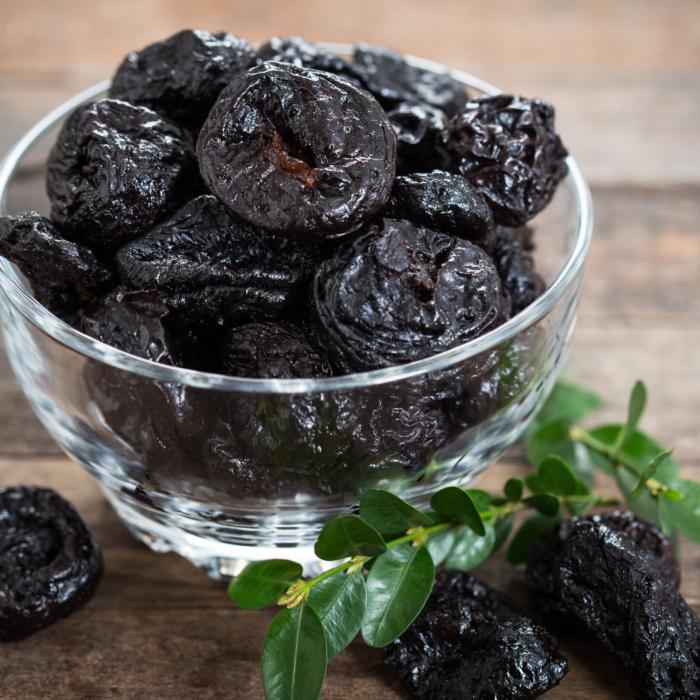
Prunes are more than a quick and convenient snack. These wrinkly little fruits may be best known as grandma’s remedy for go-to bathroom woes, but they also help preserve bone density. Their polyphenols and other compounds may help reduce inflammation and oxidative stress and influence the balance between bone breakdown and formation.
Their health benefits aren’t the only surprises packed into each sweet bite.

1. Space Food
Prunes may have an unexpected future as space food. NASA-supported researchers have investigated whether prunes could potentially protect against the bone-damaging effects of space radiation—a concern during long-duration missions.
Related Stories

2. Top-Notch Swap Potential
Prunes can be used as a healthy baking ingredient. When blended with water into a puree, they can replace some of the butter or oil in recipes such as brownies, muffins, and breads, reducing the amount of added fat while adding fiber and natural sweetness.
Prune puree also helps baked goods retain moisture, and its natural sugars contribute sweetness. As a starting point, try replacing some of the butter in a recipe with an equal amount of prune puree.

3. California Born and Raised
If you’re eating a prune purchased in the United States, it was almost undoubtedly grown in California. The state produces 99 percent of the nation’s prunes and about 40 percent of the world’s supply.
California’s long growing season, sunny days, cool evenings, and rich valley soils provide favorable conditions for growing prunes.

4. Limited Lineage
California’s prune industry can be traced back to a French plum cutting brought to the state more than 175 years ago. Louis Pellier, an immigrant from France, grafted the cutting of the prized d’Agen plum onto wild plum trees growing near Mission San Jose.
Within a few years, the trees began producing fruit, and other farmers took notice. By the 1870s, growers were planting trees propagated from Pellier’s stock to meet America’s growing appetite for European prunes.
The d’Agen lineage became the foundation of California’s prune industry.

5. From Plum to Prune
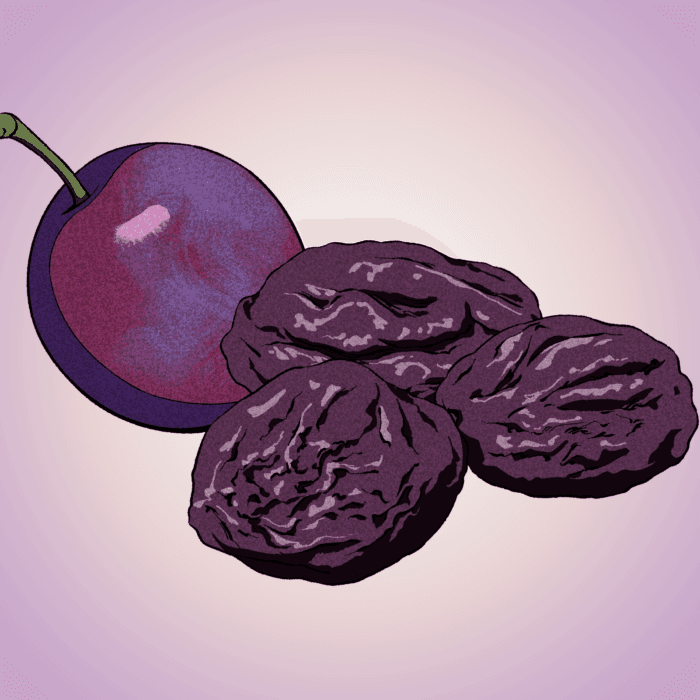
It takes about 3 pounds of fresh, ripe plums to yield a single pound of dried prunes. Plums are mostly water, and most of it is removed during drying, causing dramatic shrinkage.
After harvest, the fruit is washed, then dried in climate-controlled tunnels, where growers carefully balance temperature, humidity, and time. As the plums lose water, they shrink and darken into the chewy bites known as prunes. The process also concentrates the remaining fruit, which is why prunes pack more natural sugars, fiber, and certain nutrients by weight than their fresh counterparts.