





Recently, I debated a doctor friend about traditional versus conventional medicine. He called his practice “traditional” and labeled natural remedies “new age alternatives.” I pointed out that traditional medicine has been used for thousands of years, while allopathy is relatively new.
To illustrate these different perspectives, I remember my grandmother believing that sitting on cold rocks caused urinary tract infections (UTIs), which in fact reflects what traditional Chinese medicine suggests: Cold conditions around the bladder may affect the pelvic environment and weaken local immunity. On the other hand, my friend dismissed this, attributing UTIs to bacteria, a scientifically proven fact.
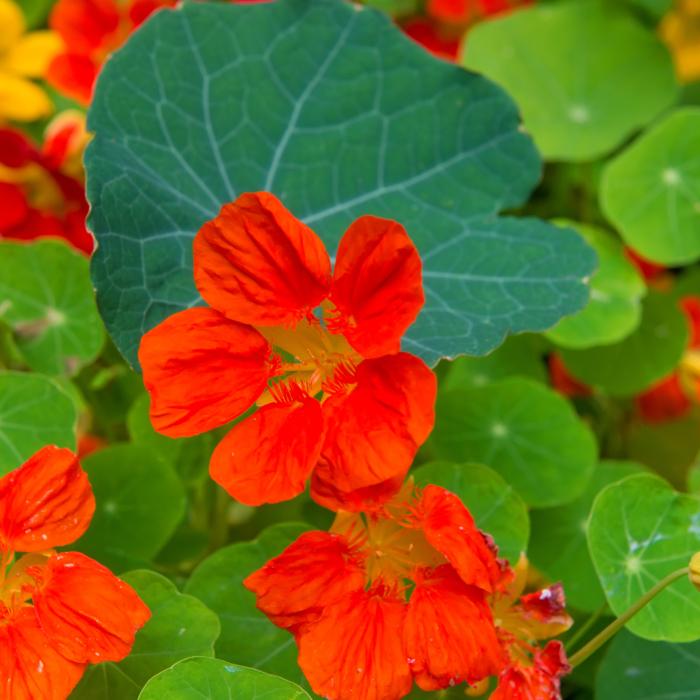
Horseradish has also been studied for urinary tract support, especially in combination with nasturtium—a vibrant annual and tender perennial known for its trumpet-shaped flowers.
Why UTIs Are So Common in Women
UTI symptoms can be painful and embarrassing. They include frequent or urgent urination, burning or stinging during urination, lower abdominal discomfort, and, in some cases, incontinence.
Antibiotics are often necessary for bacterial UTIs, but repeated use can cause more problems because they also kill protective vaginal bacteria, creating an ideal environment for yeast infections—a common side effect. 75 percent of all women experience yeast infections in their lifetime. This is why many women look for other ways to support urinary tract health.
Related Stories
How Horseradish May Support the Urinary Tract
The heat from horseradish root comes from the isothiocyanates, including allyl isothiocyanate, a pungent mustard oil. These compounds are activated when the root is shredded, crushed, or chewed.
Researchers have also studied horseradish combined with nasturtium to help prevent recurring UTIs, particularly in women who experience frequent infections. However, these findings involve specific herbal preparations and do not establish that a homemade horseradish tincture can prevent or treat an active infection. Anyone experiencing UTI symptoms needs medical evaluation rather than relying on an herbal remedy alone.
When to Seek Medical Care
Urinary tract infections can worsen without proper treatment. Contact a healthcare professional if you have burning, urgency, frequent urination, lower abdominal pain, blood in the urine, or symptoms that persist.
Seek urgent care for fever, chills, back or side pain, nausea, vomiting, severe pain, pregnancy, kidney disease, diabetes, immune suppression, or UTI symptoms in men or children.
Consult a healthcare professional before using supplements, tinctures, or herbal remedies for UTI symptoms, especially if you take medications or have an underlying health condition.
How to Make Horseradish Tincture
Horseradish is a hardy perennial with a thick white root. Many people know its sharp flavor from commercial wasabi-style condiments, which often use horseradish, though true wasabi comes from a different plant.
You can eat horseradish fresh—mind the pungency—or use it in soups or gravies, but its strong, spicy flavor can make it hard to eat in large amounts. Too much fresh horseradish can also cause gastrointestinal distress, sweating, or a burning sensation in the mouth.
A better alternative is to make an alcoholic extraction of the root through a tincture.
Prep Time: 30 minutes
Maceration Time: 4 to 8 weeks
Tools:
-
Wide-mouth glass jar
-
Knife
-
Cutting board
Ingredients
1. Harvest or buy a fresh horseradish root. Wash and dry it well.
2. Cut the root into 1/4-inch cubes or slices, or slice it with a mandoline.

3. Fill the jar with horseradish pieces.
4. Fill about one-tenth of the jar with apple cider vinegar, then top off the rest with alcohol. Make sure the liquid fully covers the root pieces.

Alexandra Roach/The Epoch Times
5. Shake the jar daily and allow the mixture to macerate for about four to eight weeks.
Suggested Herbalist Dosage: In my herbal practice, I typically use five to 10 drops up to five times daily for acute UTIs, depending on the person and situation. For preventive use, take one to two drops three to five times daily, or eat horseradish with some meals one to two times per week.
Because homemade tinctures can vary in strength and UTIs can worsen without proper treatment, consult a qualified herbalist or healthcare professional before using horseradish tincture for urinary symptoms.
Store the tincture in an amber bottle in a cool, dark place. The alcohol works as a preservative, and you can keep the extraction for up to one year.
Horseradish shows how traditional remedies and modern research can sometimes meet in practical ways. Although it’s not a substitute for medical care when a UTI needs treatment, horseradish may offer another tool to support urinary tract health.