





A juicy heirloom tomato drizzled with extra-virgin olive oil and sprinkled with sea salt is one of summer’s simplest pleasures. With a piece of freshly baked ciabatta to soak up the tomato-oil drippings, it becomes a warm-weather favorite that is as effortless as it is flavorful.
Available in a variety of shapes, colors, sizes, and varieties, tomatoes may not all offer the same cancer-fighting potential. Their ripeness and how they are prepared also affect their lycopene content.
Tomatoes’ Anticancer Properties
Lycopene is a fat-soluble carotenoid, a plant pigment responsible for the red and pink colors of some fruits, most notably tomatoes. The body cannot make it, so it must come from food.
For years, researchers had no specific recommendations on the use and dosage of lycopene and tomatoes in relation to cancer due to a lack of evidence.
Related Stories
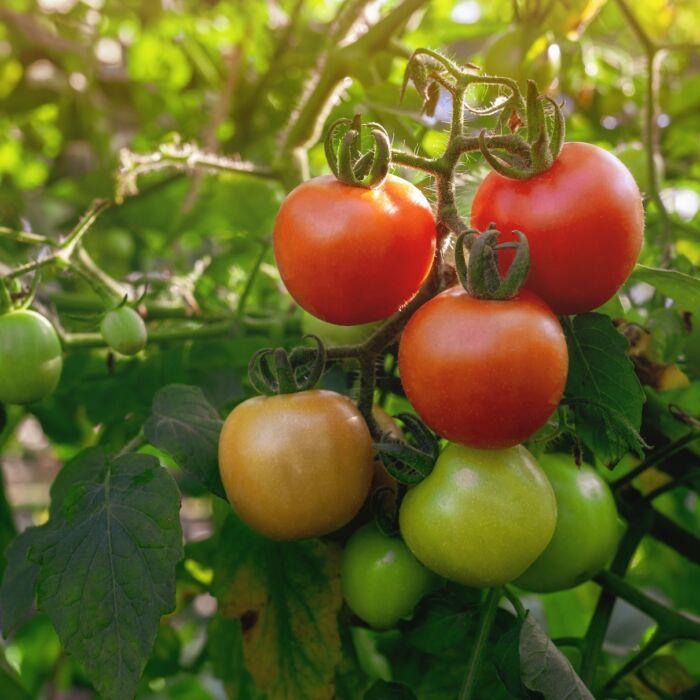

While no single food can serve as a complete cancer treatment or guarantee prevention, tomatoes may play a supportive role in these efforts. To maximize the benefits of tomatoes and their lycopene content, certain preparation details matter.
How to Get More Lycopene
However, be aware of the following points:
-
Choose Lycopene-Rich Tomato Foods: Lycopene is found in high concentrations in tomato products such as tomato paste, sauces, and soups.
-
Eat the Whole Fruit When Possible: Keeping the peel and seeds helps preserve more of the tomato’s natural nutrients. Lycopene content can vary depending on variety, temperature, processing time, and harvest time.
-
Pair Tomatoes With Olive Oil: Lycopene is fat-soluble, meaning the body absorbs it better with fat. Olive oil can enhance lycopene absorption by 82 percent.
-
Enjoy Both Raw and Cooked Tomatoes: Raw tomatoes contain lycopene and are refreshing during summer, while cooked tomato products may offer more concentrated lycopene and make it easier for the body to absorb.
-
Be Mindful of Calcium Supplements: High dietary calcium supplements can inhibit lycopene absorption.
-
Choose Untreated Tomatoes When Possible: Pesticide treatment can reduce tomatoes’ lycopene content.
-
Check Supplement Quality: Lycopene nutritional supplements as commercially grown tomatoes can contain high levels of pesticides, depending on the source.
-
Consider Tomato Variety: Red Roma tomatoes are great for sauces, while cherry tomatoes are perfect for snacking, and both are high in lycopene. Tangerine tomatoes, a small yellow variety, contain tetra-cis-lycopene, a form the body can absorb more efficiently than the trans-lycopene found in many common red tomatoes.
For gazpacho, use any fully ripe tomatoes. It doesn’t matter whether they are heirlooms, Romas, or other varieties; ripe tomatoes will be juicy, flavorful, and less acidic.
How to Make Tomato Gazpacho
Gazpacho is a popular dish in the Mediterranean diet—a traditional Spanish uncooked soup that originated in Andalusia. Served chilled, it makes for a refreshing and hydrating meal on warm summer days.
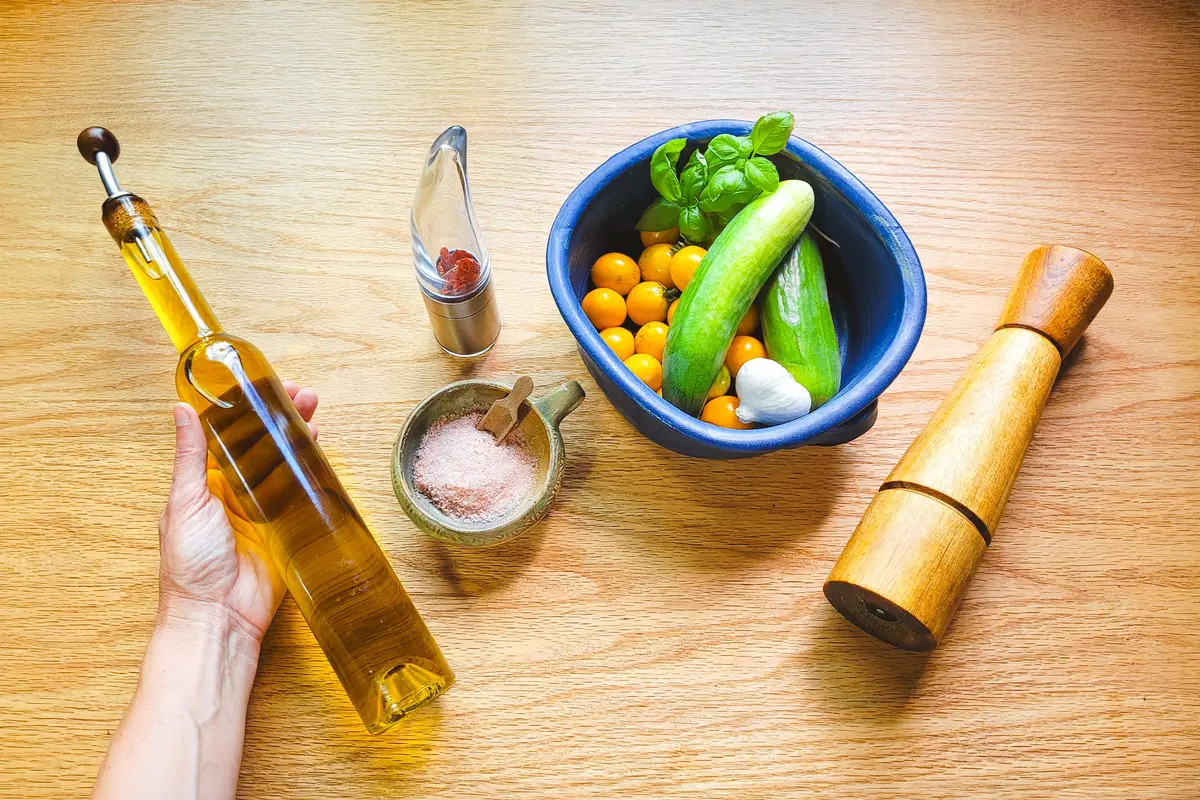
Alexandra Roach/The Epoch Times
Tools
-
Bowl
-
Cutting board
-
Blender
-
Knife
Ingredients
-
3 1/2 to 5 cups chopped ripe tomatoes
-
1 1/2 to 2 cups cubed cucumbers
-
1 red bell pepper, chopped (optional)
-
5 to 10 basil leaves, plus 3 more for garnish (optional)
-
2 cloves of garlic
-
2 tablespoons red wine vinegar
-
4 tablespoons extra-virgin olive oil
-
1/4 teaspoon salt, plus more to taste
-
Black pepper, to taste
Prep Time: 20 minutes
Chill Time: 2 to 4 hours
Servings: 2 to 3
Instructions
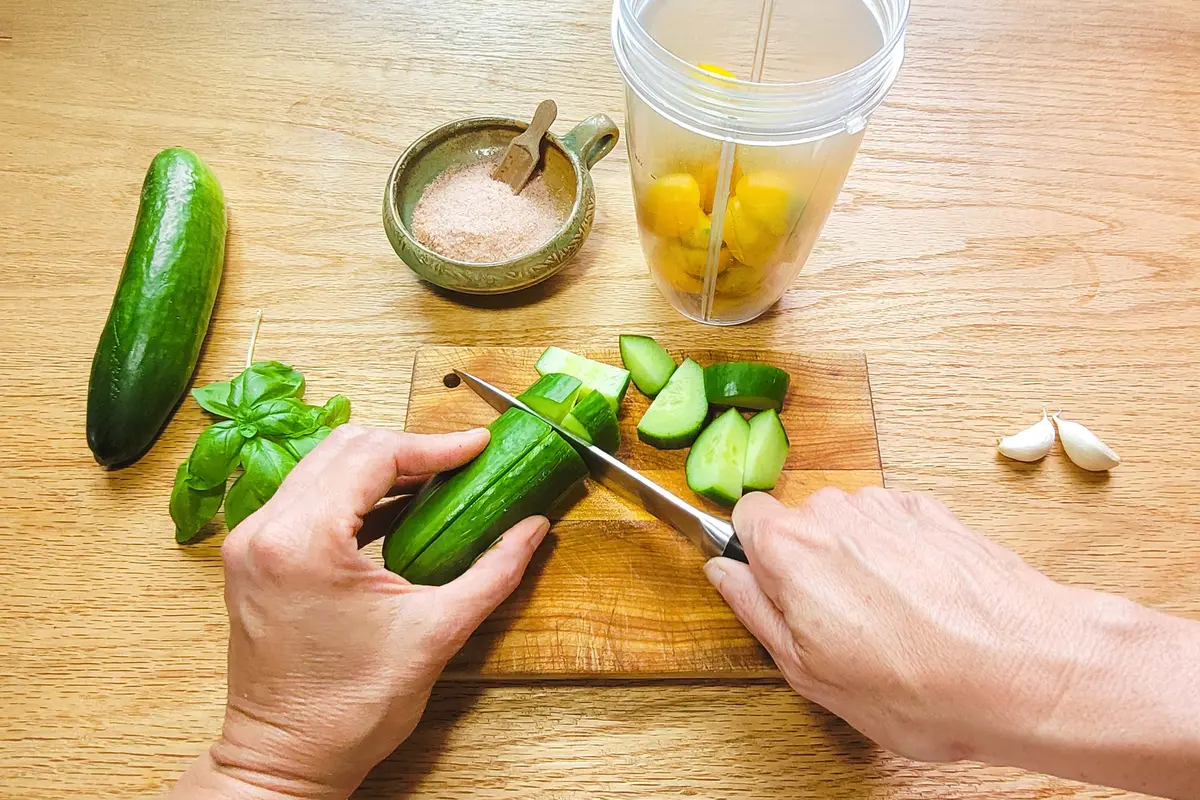
Alexandra Roach/The Epoch Times
-
Wash tomatoes, cucumbers, bell pepper, and basil. Cut into 1-inch pieces.
-
Peel and chop garlic cloves.
-
Add all the ingredients to a blender and pour in red wine vinegar, extra-virgin olive oil, salt, and pepper.
-
Blend until smooth and creamy, ensuring there are no large chunks. Do not add extra water; the tomatoes and cucumbers provide enough liquid.
-
Refrigerate for two to four hours, or until chilled.
-
Pour into soup bowls, garnish with basil leaves, and add more black pepper to taste.
Note: The color of your gazpacho will vary depending on the tomatoes you use. I used yellow tomatoes, which gave my gazpacho a pale green color. Red tomatoes make red gazpacho.
Tip: Enjoy your gazpacho with a slice of toasted bread to add a little crunch. For spice, add some red pepper flakes.
Enhance your cooking by adding a tomato plant to your backyard or growing one in a pot on your balcony! Try different varieties to see which best complements your dishes. It’s a fun and rewarding experience for any home chef.