





Australia’s national corruption watchdog has never held a public hearing and is operating largely out of public view, prompting warnings it is failing to build public confidence in its work.
Transparency International Australia, an anti-corruption advocacy group, has urged major changes to how the National Anti-Corruption Commission (NACC) conducts investigations and engages with the public, arguing the watchdog is not using key powers intended to strengthen integrity and deter future misconduct.
In a submission to the Parliamentary Joint Committee examining the commission’s performance, the anti-corruption group says the body has demonstrated it can investigate complex corruption matters, but is not making sufficient use of public-facing mechanisms that would enhance accountability.
Transparency International Australia describes the commission as a “significant step forward” for Commonwealth agencies’ integrity and points to successful investigations, including Operation Pelican, which investigated allegations that an employee of a Commonwealth company solicited a secret commission during a tender process, and the Robodebt inquiry, as evidence of its investigative capability.
No Public Hearings Since Inception
However, it says that almost three years after beginning operations, the commission has not conducted a single public hearing or exercised its power to hold public inquiries into systemic corruption risks.
Transparency International Australia chair, AJ Brown, told the committee the commission’s deterrent effect was only beginning to emerge, but its limited public visibility was undermining broader integrity outcomes.
“There’s a really strong prevention element that’s built into those functions, which is now starting to happen, and is starting to be a bit of a game changer,” he said.
Related Stories

But he argued that an anti-corruption agency operating largely behind closed doors cannot effectively deter corruption, build a culture of integrity, or reassure Australians that wrongdoing is being addressed.
Public Confidence Concerns Cited
The submission cites declining Australian rankings on Transparency International’s Corruption Perceptions Index and OECD research showing only one in four Australians believes the government prioritise the public interest over private interests when making public policy.
Lower Threshold for Public Hearings
Transparency International also calls for amendments to the National Anti-Corruption Commission Act to lower the threshold for public hearings, saying the current requirement for “exceptional circumstances” has become a de facto barrier to public scrutiny.
Criticism of Communications and Robodebt Handling
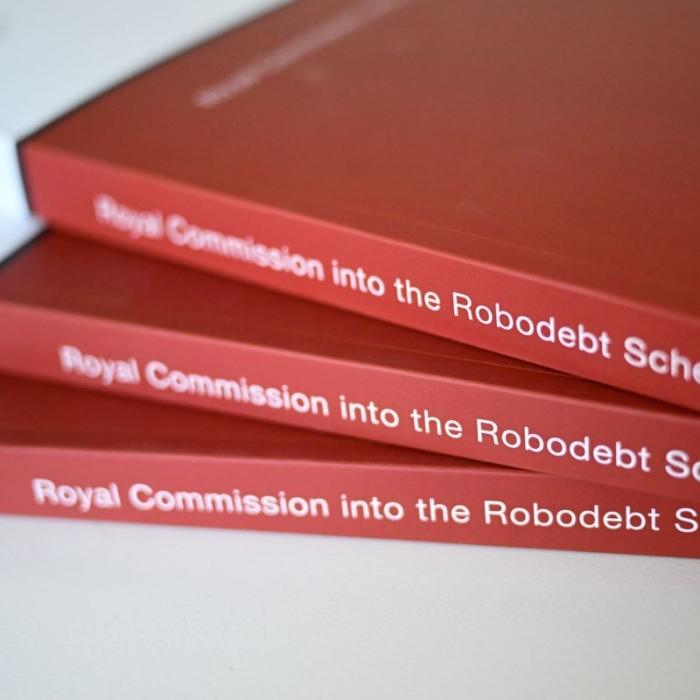
The submission is also critical of the commission’s public communication, using its handling of the Robodebt investigation. While it found corrupt conduct by public officials, Transparency International says it did not adequately explain the broader institutional failures that allowed the misconduct to occur or set out reforms needed to prevent recurrence.
It argues the commission should publish a formal engagement and transparency strategy and consider legislative changes to allow more open communication on systemic corruption issues.
Transparency International also contends corruption prevention has become secondary to investigations, saying the NACC primarily measures success through the number of referrals processed and investigations completed, while prevention is assessed by counting educational products and presentations.
It recommends at least 5 percent of the NACC’s budget be devoted to prevention and education programs, with clearer reporting on outcomes rather than activity measures.
Structural Reforms Proposed
Further recommendations include expanding the NACC’s role in helping Commonwealth agencies assess corruption risks, establishing a statutory advisory committee including civil society and integrity experts, and considering a multi-commissioner leadership model similar to those used by integrity agencies in New South Wales and Queensland.
In total, the submission makes nine recommendations aimed at making the commission more visible, transparent, and focused on preventing corruption as well as investigating it, arguing that public confidence will only grow if Australians can see the institution actively exposing systemic problems and driving reform.